inquiry
Inquiry
Form loading...

Why Are Hawaiian Aloha Shirts Popular Worldwide?

Why Are Hawaiian Aloha Shirts Popular Worldwide?

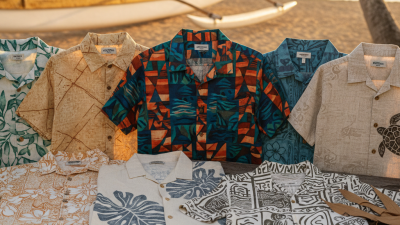
Hawaiian Aloha Shirts have moved far beyond Hawaii’s beaches. Their bright foliage, relaxed collars, and breathable fabrics create immediate visual warmth. A palm print can suggest travel before a suitcase appears. The Business Research Company’s 2024 Casual Wear Global Market Report identifies comfort, informality, and lifestyle expression as major apparel growth drivers. Those forces help explain the shirt’s international appeal.

The design also carries cultural history. Japanese textile techniques, Polynesian imagery, and American resort fashion shaped its development. Alfred Shaheen, one of Hawaii’s most influential designers, famously said, “I don’t design aloha shirts. I design Hawaii.” His words capture the garment’s deeper value: it sells a place, not merely a pattern. McKinsey and The Business of Fashion’s State of Fashion reports similarly emphasize consumers’ demand for distinctive products, emotional value, and versatile everyday clothing. An Aloha shirt can work at a summer market, an outdoor dinner, or a creative workplace.

Yet popularity should not be confused with cultural simplicity. Not every tropical print represents Hawaii accurately. Some designs borrow symbols without understanding their origins. That remains a weakness in the global market. Reliable brands increasingly disclose fabric sources, production methods, and design references. Exact worldwide sales figures are difficult to verify because major reports rarely isolate Hawaiian Aloha Shirts as a separate category. This limitation matters. Even so, retail evidence, tourism demand, social media visibility, and casualwear trends point in the same direction: the shirt remains commercially relevant because it combines comfort, recognition, and a tangible sense of place.
Why Are Hawaiian Aloha Shirts Popular Worldwide?

Origins and Definition of the Hawaiian Aloha Shirt

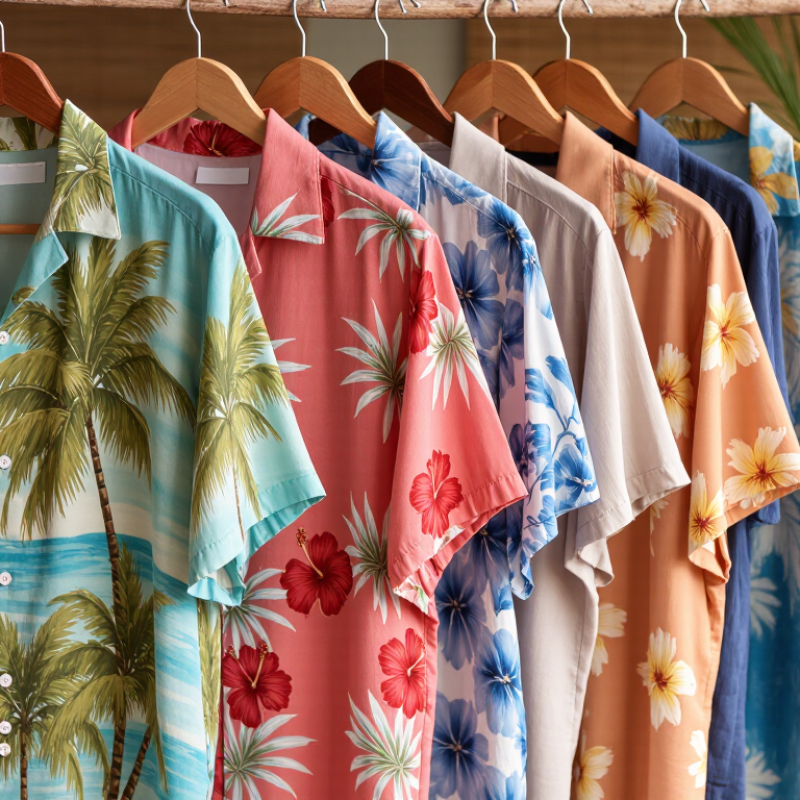
The Hawaiian Aloha shirt developed in Hawaii during the early twentieth century. Its origins reflect the islands’ mixed communities and textile traditions. Japanese immigrant families brought printed fabric skills, including bright patterns inspired by traditional summer garments. Local tailors adapted these materials into lightweight, short-sleeved shirts for Hawaii’s warm climate. Filipino, Chinese, and Native Hawaiian influences also shaped the shirt’s construction and visual language. Its history is layered.

The Garment The term “Aloha shirt” describes a loose, button-front shirt with a collar, short sleeves, and colorful designs. Common patterns include tropical flowers, ocean waves, palm leaves, birds, and geometric forms. Many shirts are worn untucked, which supports a relaxed appearance without losing structure. Early examples were often handmade or produced in small workshops. The details matter. Stitching, fabric weight, and pattern placement can reveal when and where a shirt was made.

The shirt became more visible through tourism, local celebrations, music, and international travel. Visitors carried its bright images home, where the garment became linked with leisure and island hospitality. Yet calling every tropical shirt an Aloha shirt is too simple. Authentic examples usually connect their design, fabric, and wearing style to Hawaiian cultural history. The label can also hide uncomfortable gaps, because outside audiences sometimes treat the shirt as a costume rather than daily clothing. Its meaning is not fixed. It continues to change with the people who wear it.
Traditional Designs, Fabrics, and Cultural Symbols

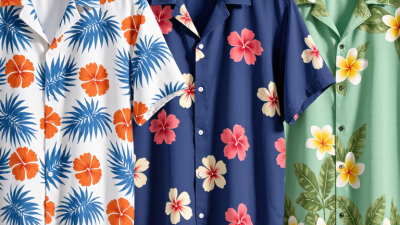
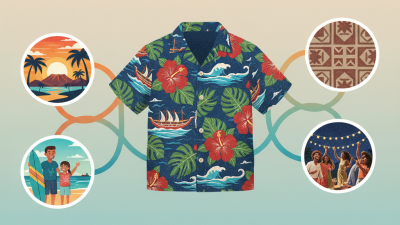
Hawaiian aloha shirts travel well because their traditional designs feel vivid, relaxed, and immediately recognizable. Large hibiscus flowers, plumeria, palm leaves, ocean waves, and canoe forms turn a shirt into a small landscape. Some patterns also echo kapa, a bark cloth tradition from Hawai‘i and Polynesia. They are not identical to historical kapa designs, but they often borrow its repeated geometry and earthy rhythm.

Fabric changes the experience. Rayon creates a soft drape and helps flowers appear fluid, while cotton feels cooler, firmer, and easier to maintain. Textile Exchange’s 2024 Materials Market Report estimated that polyester represented about 59% of global fiber production in 2023, with cotton near 22%. This comparison shows why natural cotton remains meaningful, even in a synthetic-heavy clothing market. It offers breathability, but it can wrinkle quickly. That imperfection is part of its appeal.

Tourism strengthens the shirt’s global visibility. The Hawai‘i Tourism Authority recorded approximately 9.6 million visitor arrivals in 2023, creating many opportunities for cultural clothing to leave the islands. Yet popularity needs care. A wave motif may look decorative to one buyer, while another sees family, home, or migration. Designers and sellers should explain symbols accurately, avoid treating every island pattern as interchangeable, and acknowledge local makers. The shirt’s worldwide appeal is real, but its cultural story is more complicated than a bright print.

Why Are Hawaiian Aloha Shirts Popular Worldwide?

Dimension Traditional Feature Factual Context Contribution to Worldwide Appeal
Historical Development A relaxed, short-sleeved button-up shirt The modern Aloha shirt developed in Hawaiʻi during the 1920s and 1930s, influenced by local textile traditions and the island’s multicultural population. Its recognizable silhouette combines casual comfort with a distinctive visual identity that is easy to wear in many countries.
Fabric Cotton, rayon, silk, linen, and lightweight blends Cotton is breathable and durable; rayon offers a smooth drape and vivid color; silk provides a softer, more formal finish. Linen and lightweight blends are also suitable for warm climates. The range of fabrics allows the shirt to work as beachwear, everyday clothing, resort wear, or a smart-casual garment.
Floral Motifs Hibiscus, plumeria, orchid, and bird-of-paradise flowers Tropical flowers are common visual elements in Hawaiian dress and are associated with the islands’ climate, landscapes, leis, and hospitality traditions. Large flowers create an immediately recognizable tropical look and communicate warmth, relaxation, and vacation culture.
Ocean and Nature Symbols Waves, palm trees, fish, sea turtles, volcanoes, and birds These images reflect the importance of the Pacific Ocean, volcanic geography, marine life, and native island environments in Hawaiʻi. Nature-based imagery is broadly understandable and gives the shirt a strong sense of place without requiring translation.
Cultural Patterns Geometric designs inspired by kapa and other Pacific visual traditions Kapa is a traditional Hawaiian cloth made from the inner bark of certain trees. Its repeated geometric patterns influenced later textile design, although printed Aloha-shirt patterns are not identical to historic kapa. Geometric prints add visual variety and connect contemporary clothing with the broader heritage of the Pacific.
Color Palette Turquoise, ocean blue, coral, yellow, green, red, and white These colors commonly echo tropical vegetation, flowers, sunlight, coastal waters, and sunsets. Traditional designs may also use subdued earth tones. Bright colors are expressive and highly visible, while muted versions make the style suitable for offices, dinners, and cooler climates.
Garment Construction Open collar, straight hem, relaxed fit, and front buttons The straight hem is designed to be worn untucked, and the open collar supports airflow in warm weather. The design is comfortable, low-maintenance, and less formal than a conventional dress shirt while remaining polished.
Cultural Meaning Hospitality, leisure, island identity, and connection with nature The word “aloha” carries meanings connected with affection, peace, compassion, and greeting. The shirt is associated with local identity, although not every printed design has a specific traditional meaning. It offers wearers a positive emotional message and a visual association with friendliness, holidays, and relaxed social life.
Social Versatility Suitable for casual gatherings, travel, celebrations, and some workplaces In Hawaiʻi, Aloha shirts can appear in everyday settings and in certain professional or ceremonial contexts, depending on the occasion and local dress expectations. The same garment can be styled informally or formally, making it adaptable across ages, climates, and social situations.
Global Recognition A clear association with tropical travel and Pacific island culture Travel, tourism, popular culture, and international interest in resort fashion helped spread the Aloha-shirt style beyond Hawaiʻi. Its visual message is instantly recognizable, making it popular as vacation clothing, themed attire, and a symbol of an easygoing lifestyle.

Note: Aloha-shirt patterns vary widely. Floral and ocean imagery may be decorative rather than literal representations of specific Hawaiian traditions.

How Aloha Shirts Spread Beyond Hawaii

Aloha shirts spread beyond Hawaii through tourism, migration, and changing ideas about casual dress. Tourists packed them beside sandals, then carried their relaxed silhouettes home. Bright flowers, roomy cuts, and open collars worked across beaches, bars, and summer streets. The shirt became a portable memory of Hawaii.

UN Tourism recorded about 1.3 billion international tourist arrivals in 2023. Every journey created another chance to see, buy, and imitate the style.

Later, social platforms accelerated that process. DataReportal’s Digital 2024 report counted 5.04 billion social media users worldwide. A colorful outfit can now cross continents before a seasonal collection reaches stores.

Images travel first.

Manufacturers also changed the shirt for different climates and wardrobes. Lightweight cotton suits daily wear, while softer rayon creates a fluid, holiday look. This flexibility helped aloha shirts enter festivals, offices, and informal dinners.

The spread was not perfectly simple. Mass production can reduce a meaningful local design to decoration. Cultural context may disappear behind oversized flowers and bright colors. That deserves more attention.

The State of Fashion 2025 report describes a low-growth fashion market, encouraging practical pieces with longer use. Aloha shirts fit that need, but their future depends on respectful design, clear cultural credit, and better material choices.

Why Aloha Shirts Appeal to Global Audiences

Why Are Hawaiian Aloha Shirts Popular Worldwide?

Aloha shirts appeal to global audiences because they communicate ease, color, and place. Their open collars and relaxed shapes suit warm climates and casual social settings. Bold flowers, ocean scenes, and leafy patterns create an immediate visual language. People can understand that feeling without knowing Hawaii personally. In my experience, travelers often choose these shirts because they feel comfortable in photographs and informal gatherings. The fabric matters too. Lightweight cotton or rayon moves easily, especially during humid weather.

Tips: Choose breathable fabric and a balanced fit. Check the pattern scale before buying. Softer colors work well in offices. Wear one with plain trousers or a simple skirt. Avoid treating cultural imagery as a costume.

The appeal also comes from adaptability. Aloha shirts can fit beach dinners, family celebrations, creative workplaces, and weekend markets. Their informal design reduces pressure to dress perfectly. That accessibility helps different generations wear similar styles. Still, the shirt is not magically universal. Some patterns may carry cultural meaning, so respectful choices matter. I sometimes prefer a quieter design after noticing how loud prints can dominate a room. Quality stitching, fabric recovery, and colorfastness also affect long-term value. A carefully made shirt feels personal, not disposable. Global popularity grows when comfort meets curiosity, although the conversation around cultural respect should continue.

Modern Styles and Continuing Cultural Influence

Why Are Hawaiian Aloha Shirts Popular Worldwide?

Modern Aloha shirts combine relaxed comfort with clear visual character. Many newer designs use lighter cotton, recycled fibers, and slimmer or oversized cuts. The result suits offices, beaches, music events, and casual dinners. Subtle patterns now appear beside bold flowers, ocean scenes, and geometric artwork. This flexibility helps the shirt cross borders without losing its recognizable spirit. It feels easy to wear.

Cultural influence remains central to its appeal. Hawaiian artists often draw from land, sea, family traditions, and local history. Some designs include native plants or symbols with careful cultural meaning. Responsible makers should research these references and credit their creators. Wearing such a shirt can express respect, but clothing alone does not create cultural understanding. That distinction matters.

I have noticed that modern styling often changes the shirt’s message. A loose version may suggest leisure, while a dark, tailored version can look formal and restrained. Younger wearers may pair it with sneakers, wide trousers, or simple jewelry. This experimentation keeps the garment visible in global fashion. Still, popularity can flatten Hawaiian culture into a decorative theme. Not every tropical print tells an authentic story. Viewers should ask who designed it, what the imagery means, and whether local voices shaped the work. The answer is sometimes uncomfortable. That discomfort deserves attention.