Top Trends in Ladies Fashion for Global Buyers 2026?
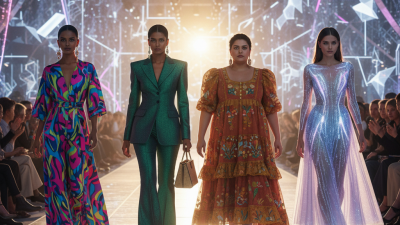
As the world of Ladies Fashion evolves, global buyers are keenly observing emerging trends for 2026. This dynamic industry thrives on creativity and innovation. Fashion shapes identity and reflects cultural shifts. Designers are embracing sustainability, advocating for eco-friendly materials. These choices appeal to increasingly conscious consumers.
Moreover, bold colors and striking patterns are reclaiming the runway. Women are expressing individuality through unique styles. Yet, there is a lingering challenge: balancing trends with comfort. Can high-fashion garments be wearable in everyday life? This remains a significant debate in the realm of Ladies Fashion.
Buyers need to stay informed. Trends change rapidly, influenced by social media and celebrity culture. Collaboration between brands and influencers grows stronger, driving the market forward. However, an overreliance on this can lead to homogenization in styles. Fashion should celebrate diversity, not replicate it. As we approach 2026, understanding these trends will be crucial for success in the Ladies Fashion space.
Emerging Color Palettes for Women's Fashion in 2026
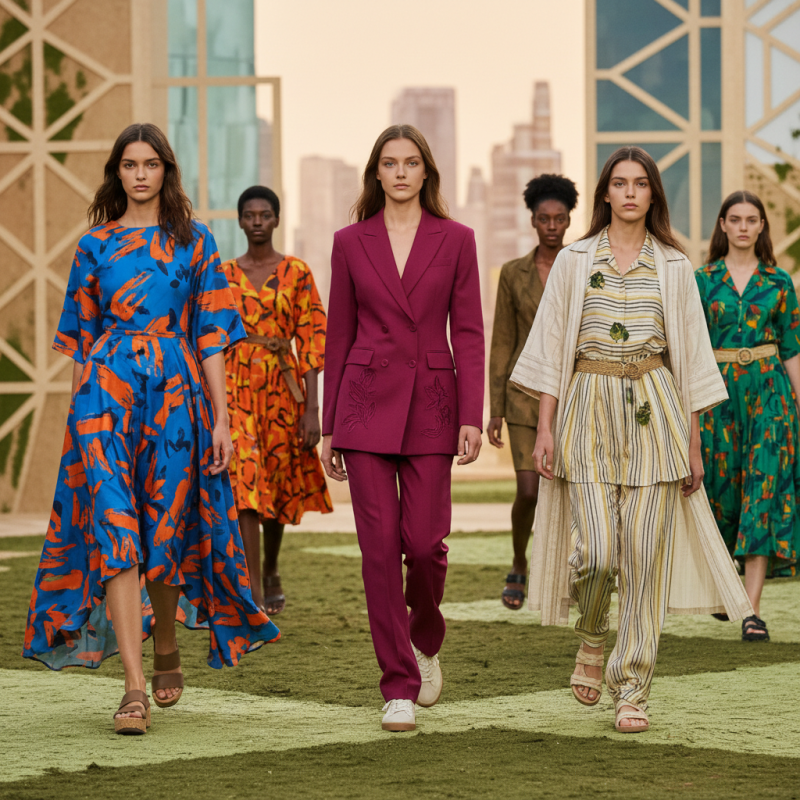
As we look ahead to 2026, the color palettes in women's fashion are evolving dramatically. Expect to see rich jewel tones like emerald and sapphire take center stage. These colors will evoke a sense of luxury and elegance. Pastel shades will also stay relevant, offering softness to balance the vibrancy of deeper hues.
Tips: Don’t shy away from combining bold colors with softer shades. A deep green dress paired with muted accessories works beautifully. Experiment with layers to enhance your outfits. Use contrasting colors to make a statement.
Additionally, earthy tones are making a strong comeback. Shades of terracotta and olive green capture the essence of nature. These colors resonate with growing sustainability trends in fashion. However, balancing earth tones can be tricky. Be cautious not to let your outfit become too monotonous.
Tips: Introduce patterns subtly. Stripes or floral prints can enliven an otherwise muted outfit. Accessories in brighter colors can offer a stunning contrast. Embrace the imperfect nature of mixing and matching. Every outfit tells a story, even if it isn't flawless.
Top Trends in Ladies Fashion for Global Buyers 2026 - Emerging Color Palettes
| Color Palette |
Description |
Target Audience |
Key Fashion Items |
| Pastel Neutrals |
Soft muted tones that create a calming effect. |
Young Professionals |
Blouses, Trousers, and Dresses |
| Vibrant Jewel Tones |
Rich colors reminiscent of gemstones, adding a touch of luxury. |
Fashion-forward Women |
Evening Wear, Accessories |
| Earthy Tones |
Colors inspired by nature and landscapes, promoting sustainability. |
Eco-conscious Buyers |
Casual Wear, Outerwear |
| Bold Monochromes |
High-contrast, single-color outfits for a striking look. |
Trendsetters |
Suits, Dresses, and Jumpsuits |
| Soft Pastels |
Gentle hues that offer a fresh and airy aesthetic. |
Romantic Styles |
Skirts, Cardigans, and Blouses |
Innovative Fabrics and Textiles Shaping Ladies' Apparel Trends
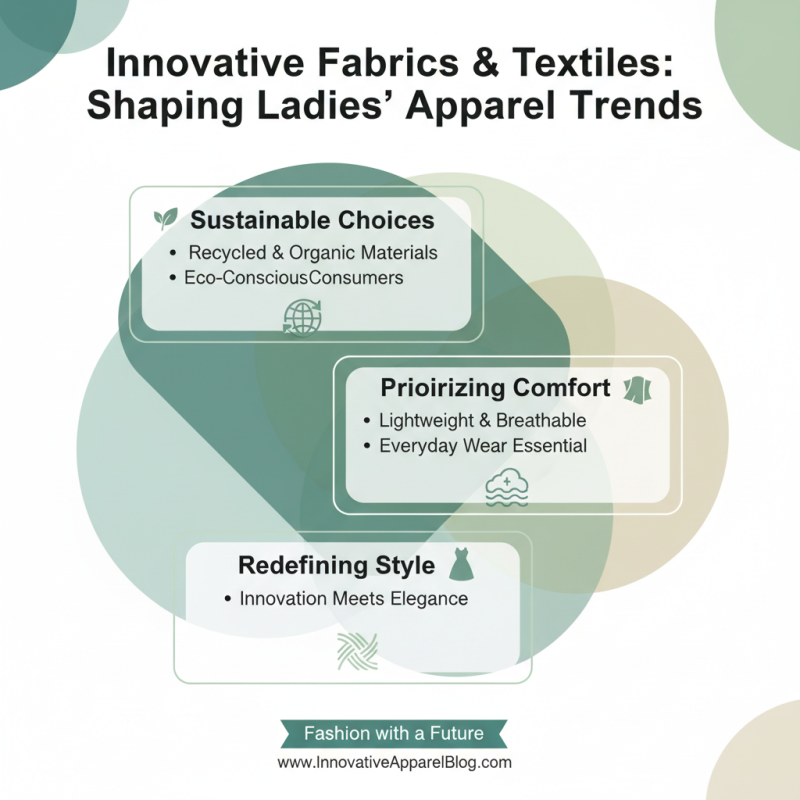
The world of ladies' fashion is embracing innovative fabrics and textiles that redefine style and comfort. Sustainability is now a priority for many designers. Recycled and organic materials are gaining traction, appealing to environmentally conscious consumers. These choices reflect a growing awareness of the fashion industry's impact on the planet. Lightweight and breathable fabrics are also becoming essential for everyday wear, making comfort a key trend.
In 2026, smart textiles may revolutionize how we think about clothing. Fabrics that adapt to temperature or change color are on the horizon. These deliver functionality while adding flair to fashionable pieces. However, integrating technology into textiles poses challenges. Ensuring durability without sacrificing comfort and style is crucial.
As trends evolve, cultural influences shape fabric selections. Rich textures and intricate patterns highlight diverse heritage. This pushes designers to explore new weaves, blending tradition with innovation. However, relying on trends can lead to fleeting styles. Fashion remains an art form that thrives on reflection and evolution rather than just immediate aesthetics.
Sustainable Practices in Women's Fashion Industry for 2026
Sustainability is reshaping the women’s fashion industry, with a growing focus on responsible practices. According to a report by McKinsey, 67% of consumers consider sustainability when making fashion purchases. This shift is pushing brands to adopt eco-friendly materials and reduce waste.
In 2026, recycled fabrics are expected to dominate the market. Innovations in fabric technology allow for clothes made from recycled plastics and textiles. Notably, the usage of organic cotton is rising. It requires less water and fewer chemicals compared to conventional cotton.
Reports indicate that the demand for these sustainable fabrics is expected to increase by 30% over the next few years.
Despite these positive trends, challenges remain. Many brands struggle with transparency in their supply chains. A significant portion still fails to disclose sourcing practices. This lack of transparency may undermine consumer trust. As the industry evolves, the need for honest practices is crucial. Companies must reflect on their environmental impact and commit to genuine change.
Influence of Technology on Ladies' Fashion Design and Retail
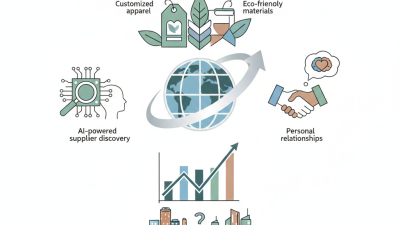
As technology evolves, it profoundly reshapes ladies' fashion design and retail. According to the 2023 Global Fashion Report, 85% of designers now utilize AI in their creative processes. This shift is not merely a trend; it's a crucial component of modern fashion. AI algorithms analyze consumer preferences, enabling brands to predict trends more accurately. Virtual fitting rooms are becoming standard, reducing return rates by up to 30%. This innovation enhances the online shopping experience and drives sales.
Sustainability remains a core focus. Brands are integrating blockchain technology to improve transparency in their supply chains. Reports indicate that 62% of consumers prefer brands committed to eco-friendly practices. Yet, challenges persist. The tech gap between established brands and emerging designers can lead to unequal opportunities. Emerging brands may struggle to access advanced technology. This disparity raises questions about inclusivity in the fashion industry.
Moreover, social media platforms influence purchasing decisions dramatically. Studies show that 75% of consumers are swayed by social media trends. However, the rapid cycle of trends can push brands to adopt a reactive approach. While quick adaptations can attract attention, this strategy often compromises quality. Fashion companies must find a balance between speed and craftsmanship to maintain customer loyalty.
Top Trends in Ladies Fashion for Global Buyers 2026
Cultural Inspirations Driving Global Women's Fashion Trends
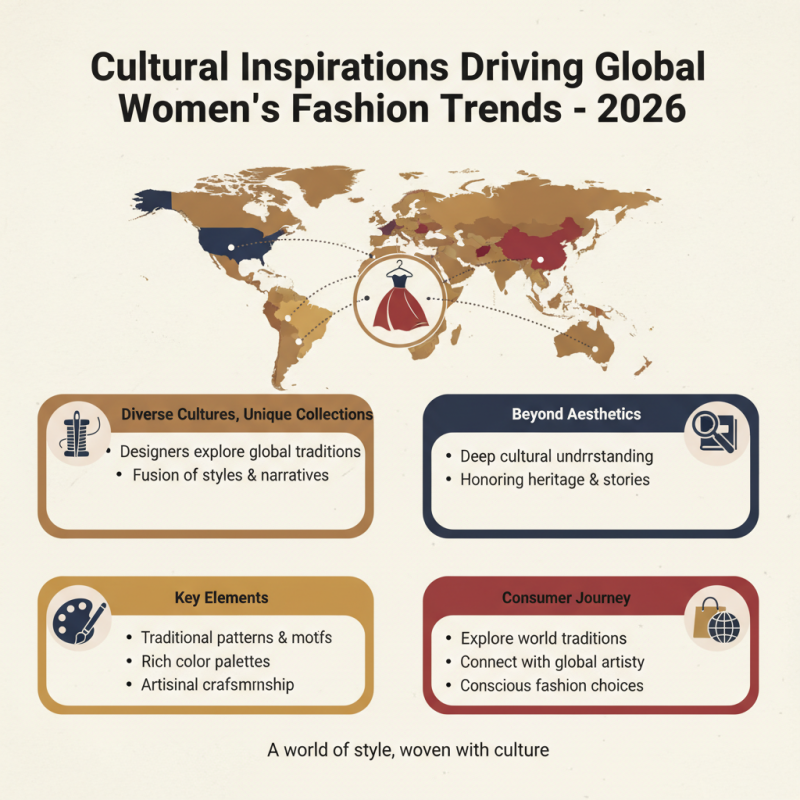
Cultural inspirations are essential in shaping global women's fashion trends in 2026. Designers are increasingly drawing from diverse cultures to create unique collections. This approach is not just about aesthetics; it reflects a deeper understanding of cultural narratives. It invites consumers to explore traditions, colors, and craftsmanship from around the world.
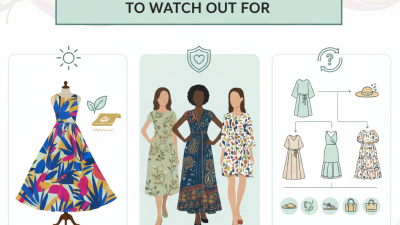
Vibrant textiles and patterns are at the forefront of this movement. Handcrafted details add authenticity to each piece, celebrating regional craftsmanship. For instance, vibrant prints inspired by African art or intricate designs from Asian heritage bring stories to life through clothing. However, the challenge lies in sourcing these inspirations ethically. Misrepresentation or appropriation can lead to significant backlash, making awareness crucial.
Moreover, sustainable practices are becoming a cultural imperative. Many brands are adopting eco-friendly materials, blending tradition with modern values. Yet, the industry still grapples with overproduction and waste. These issues require continual reflection and adaptation. As we look toward the future, embracing cultural diversity can enrich fashion while fostering accountability and respect.