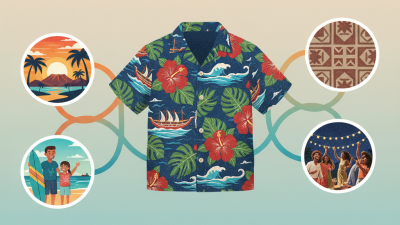
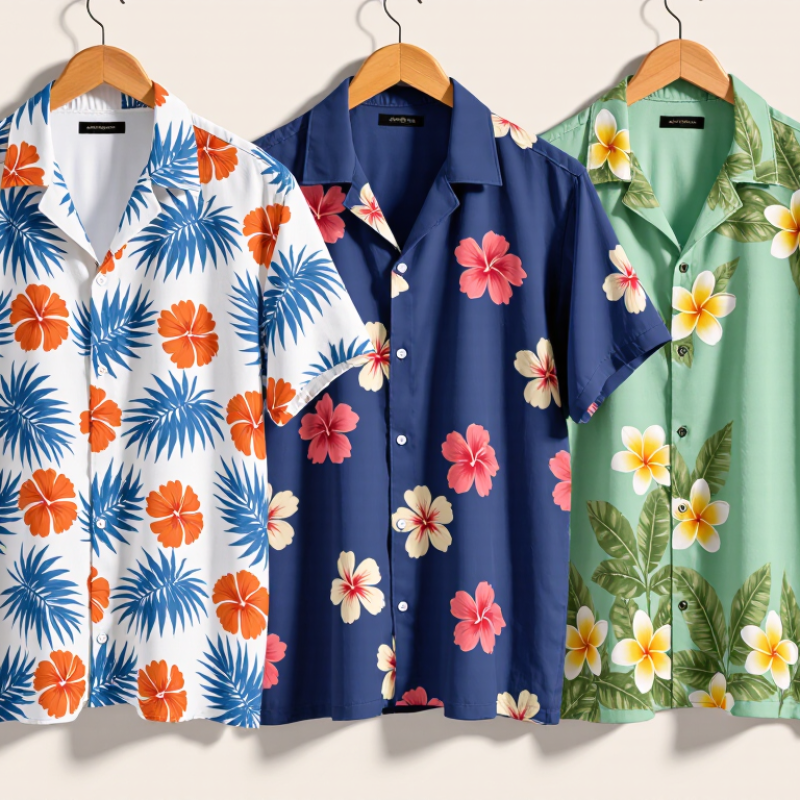
In 2026, a Hawaiian Aloha shirt is defined by more than palm trees and bright colors. Its identity comes from relaxed wear, expressive prints, and practical construction. Traditional designs may show tropical flowers, ocean scenes, leaves, or local landscapes. However, tasteful modern patterns can use smaller motifs and quieter colors. The shirt should feel comfortable in warm weather, with breathable cotton, linen blends, or responsibly sourced plant fibers.
Details matter. A well-made shirt usually has clean seams, secure buttons, and a balanced pattern across the chest pocket. Some makers match the print carefully, while others accept slight differences to reduce fabric waste. Neither choice automatically proves quality. Buyers should inspect fabric weight, washing instructions, size measurements, and colorfastness before ordering. A vivid shirt that shrinks after one wash is not a reliable purchase.
Cultural awareness also defines the garment in 2026. Responsible sellers explain the design inspiration, production location, and material content clearly. They avoid presenting every tropical image as authentic Hawaiian heritage. In my own product evaluations, I look for stitching consistency and honest photography. Still, no checklist is perfect. A shirt can look right and feel wrong. Fit depends on climate, body shape, and personal movement. Global buyers may prefer a straighter cut, longer sleeves, or a less transparent fabric. The strongest choices respect local visual traditions while meeting everyday needs in different markets.