Top Bulk Clothing Vendors for Your Sourcing Needs?
In today's competitive fashion market, finding reliable Bulk Clothing Vendors is essential for businesses looking to source quality apparel. With the rise of e-commerce and direct-to-consumer brands, understanding how to choose the right vendors can make or break a company's success. Bulk Clothing Vendors offer a diverse range of products, from basic tees to high-fashion items. They play a crucial role in fulfilling inventory needs for retailers of all sizes.
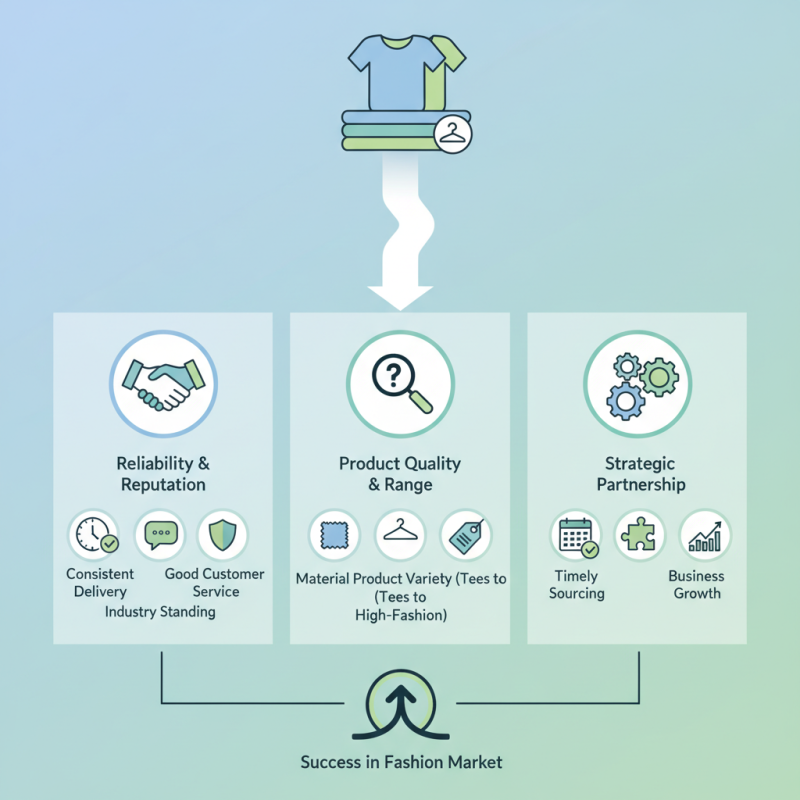
When evaluating potential vendors, consider their industry reputation and product quality. Reliability is a key factor. A vendor with consistent delivery and good customer service will foster long-term relationships. However, not every vendor meets these standards. Some may overpromise and underdeliver, leading to frustration. It’s important to research extensively and seek testimonials from others in the industry, ensuring your choice is both informed and thoughtful.
Navigating the world of bulk clothing sourcing can be overwhelming. Challenges may arise, such as hidden costs or long lead times. There can be miscommunications about product specifications. However, with careful planning and due diligence, you can find trustworthy Bulk Clothing Vendors who suit your business needs. The right vendor partnership can drive your brand forward in a dynamic landscape.
Top Characteristics of Leading Bulk Clothing Vendors
When sourcing bulk clothing, certain characteristics make vendors stand out. A reliable vendor should offer transparency throughout the process. Clear communication about pricing, lead times, and fabric sourcing builds trust. Buyers should expect detailed product catalogs and honest descriptions of goods. This helps in making informed decisions.
Quality control is crucial for any bulk clothing vendor. Vendors need to conduct regular audits and inspections. With consistent quality checks, they ensure that the products meet standards. Manufacturers should have certifications that verify their production processes. A vendor without these may lack accountability.
Flexibility is another key trait. Leading vendors can adapt to changing trends and customer demands. This means they can quickly adjust their offerings to meet market needs. However, some vendors may struggle with this agility. They might face operational challenges or be slow to react. A vendor's capability to innovate can significantly impact your sourcing success.
Top Bulk Clothing Vendors for Your Sourcing Needs
| Vendor Type |
Main Category |
Minimum Order Quantity |
Price Range |
Lead Time |
Location |
| Manufacturer |
T-Shirts |
500 units |
$2 - $5 |
4-6 weeks |
Asia |
| Wholesaler |
Activewear |
300 units |
$8 - $15 |
2-3 weeks |
North America |
| Supplier |
Casual Wear |
1000 units |
$5 - $10 |
3-4 weeks |
Europe |
| Distributor |
Outerwear |
200 units |
$15 - $25 |
6-8 weeks |
Asia |
| Agent |
Workwear |
150 units |
$10 - $20 |
5-7 weeks |
South America |
Market Trends in Bulk Clothing Sourcing: An Industry Overview
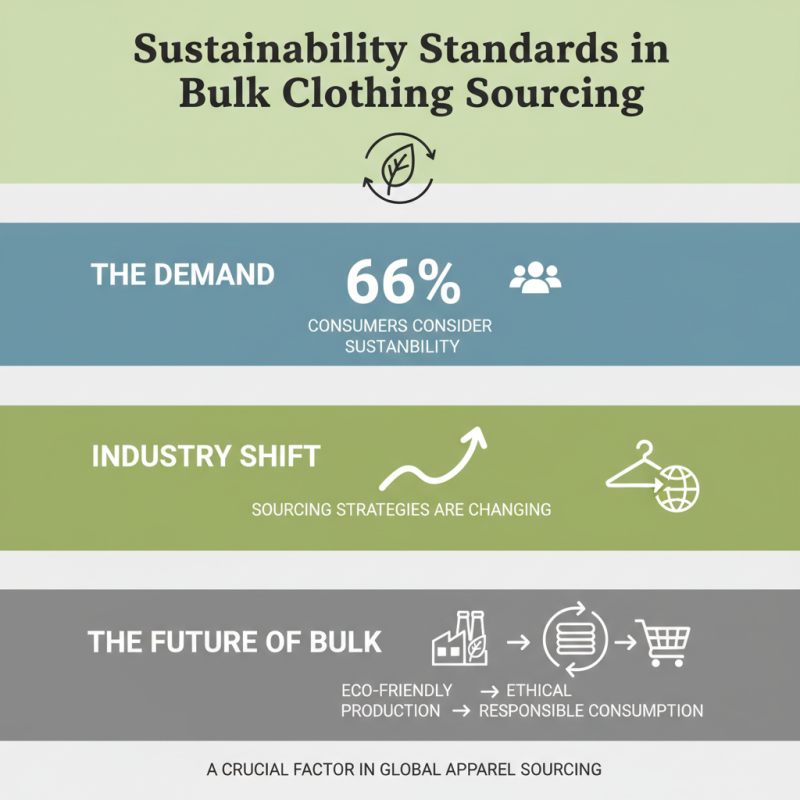
As the bulk clothing sourcing industry evolves, staying informed about market trends is essential. The demand for sustainable and ethical clothing is rising. Consumers are becoming more aware of the environmental impact of fast fashion. This shift is prompting vendors to adapt their offerings accordingly.
Tips for sourcing: Focus on quality over quantity. Evaluate the materials used in the clothing. High-quality fabrics often lead to better sales. Look for vendors who prioritize eco-friendly practices. This not only meets market demands but also enhances brand reputation.
Additionally, keep an eye on the technology integration within the industry. Many vendors are adopting advanced technologies in production and logistics. This can streamline the sourcing process and reduce lead times. Emphasizing automation and data analytics can improve sourcing efficiency significantly. However, be cautious of over-reliance on technology. Evaluate the human element in the supply chain to ensure ethical practices are maintained.
Evaluating Vendor Reliability: Key Metrics and Data Insights
When sourcing clothing in bulk, vendor reliability is crucial. Evaluating this involves analyzing several key metrics. According to a report by Statista, 78% of companies prioritize vendor reliability when making bulk purchasing decisions. This includes looking at historical delivery performance and product quality consistency. Reliability doesn’t always equate to perfection, but a vendor's track record can reveal much about their operational integrity.
Tips: Check for vendor reviews on independent platforms. Gather insights from previous clients.
Additionally, data on order fulfillment rates can serve as a valuable performance indicator. A report from Deloitte highlighted that vendors with a fulfillment rate above 95% often have more stable operations. However, relying solely on fulfillment rates can be misleading. Market conditions and production challenges can impact these figures, leading to potential oversights in vendor evaluations.
Tips: Don’t focus only on the highest numbers. Examine vendor flexibility and response times.
It’s wise to assess communication effectiveness as well. Transparent communication fosters partnerships and builds trust. Vendors who provide regular updates tend to exhibit better reliability. However, be cautious of over-hyping vendor capabilities. Realistic evaluations can lead to smarter sourcing choices.
Top Bulk Clothing Vendors for Your Sourcing Needs
This chart represents the reliability scores of various bulk clothing vendors based on key metrics. A higher score indicates greater reliability for sourcing needs.
Cost Efficiency and Pricing Strategies of Top Vendors
When sourcing bulk clothing, cost efficiency is a top priority. Vendors often employ various pricing strategies that can significantly impact your bottom line. Many use tiered pricing, where discounts increase with larger orders. This model incentivizes buyers to purchase more at a lower per-unit cost.
It's crucial to analyze the wholesale pricing structure of potential vendors. Make sure to consider shipping costs and minimum order quantities. Sometimes a lower base price can come with hidden fees that offset the savings. A thorough breakdown of all costs is necessary.
**Tip:** Always request samples. Evaluating quality can save you from costly mistakes.
Moreover, vendor relationships can also affect pricing. Long-term partnerships may yield better rates over time. Don’t overlook the potential for negotiation. Some vendors might be open to adjusting prices based on your buying volume or prompt payments.
**Tip:** Keep track of pricing trends. This helps in understanding when to buy.
Building a solid sourcing strategy involves testing different vendors. Regularly reassess your choices to ensure you are getting the best deals. It’s easy to get comfortable with a vendor, but complacency can hinder savings. Regular evaluations can reveal new opportunities for cost efficiency.