How to Source Private Label Dresses for Your Business in 2026?
As the fashion industry evolves, sourcing a Private Label Dress has become crucial for retailers aiming to stand out. With the rise of e-commerce and fast fashion, the demand for unique, high-quality dresses is increasing. Business owners must navigate a competitive landscape to find reliable suppliers that align with their brand vision.
Understanding the nuances of sourcing is essential. Not all suppliers offer the same quality or consistency. Take time to research and verify their credentials. In 2026, transparency in the supply chain will be more important than ever. Consumers are becoming increasingly aware of where products come from, so businesses must prioritize ethical sourcing.
Additionally, testing potential Private Label Dress designs is vital. What sells well in one market may not perform in another. Collecting feedback is critical. This process can be challenging, yet it allows for continuous improvement. Embracing these challenges can lead to innovation in your product line. Ultimately, thoughtful sourcing touches every aspect of a brand’s success.

Understanding Private Label Dresses: Definition and Market Trends
Private label dresses offer a unique opportunity for businesses in the fashion industry. Understanding what they are is crucial. Private label dresses are garments branded with your store's name, produced by a manufacturer. This allows for greater customization and profit margins. As consumers increasingly seek personalized shopping experiences, private label options are on the rise.
Market trends show that sustainability is becoming a key factor in clothing purchases. Consumers prefer brands that prioritize eco-friendly materials. Therefore, sourcing dresses made from sustainable fabrics can greatly enhance your brand image. This not only meets customer demands but also contributes positively to the environment. It's a win-win situation.
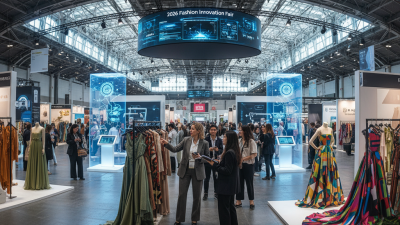
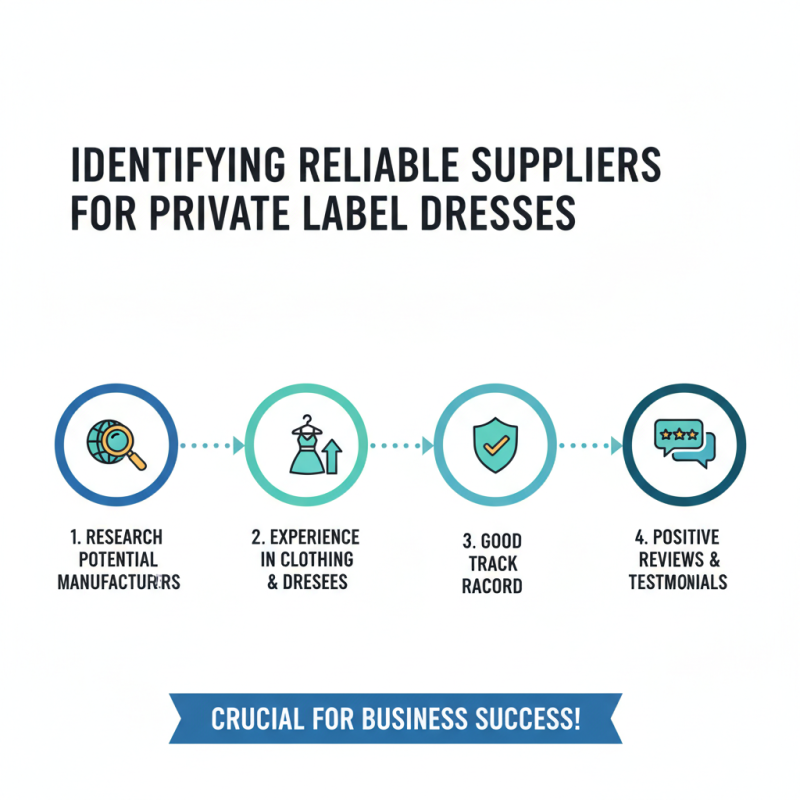
**Tips:** When sourcing private label dresses, research potential manufacturers thoroughly. Request samples to assess quality. This is important as first impressions matter. Consider attending fashion trade shows. They are excellent for networking and finding reliable suppliers. Establish clear communication with manufacturers about your design and ethical standards. This avoids misunderstandings and ensures your vision aligns with production. Ultimately, investing time in sourcing can make a significant difference in your business's success.
Evaluating Quality and Fabric Options for Your Dress Line
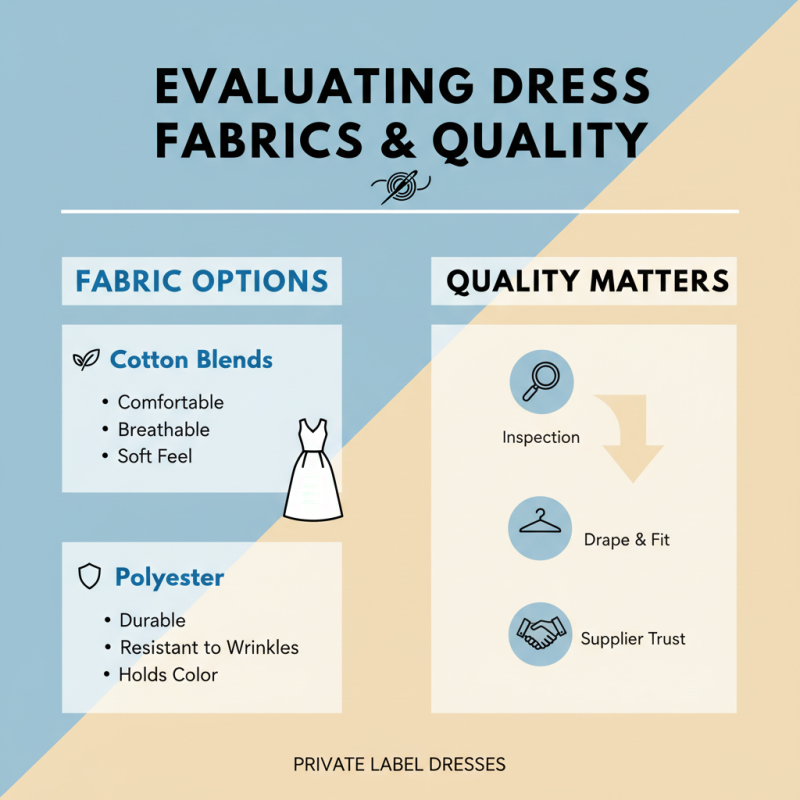
When sourcing private label dresses, evaluating quality and fabric options is crucial. Start by understanding the different types of fabrics. Cotton blends offer comfort and breathability, while polyester provides durability. Each fabric holds unique properties that influence the dress's overall appeal.
Take time to test samples. Checking seams, stitching, and finishes is vital. Poor stitching can lead to quick wear and tear. Understanding the drape of different materials will help you choose the best fit for your target audience. Maintenance is another factor. Some fabrics require special care that could deter potential customers.
Engage with suppliers who demonstrate expertise. Ask about their sourcing practices and quality control processes. This insight is essential for building a reliable supply chain. Beware of overly cheap options that compromise quality. Remember, a dress may look appealing in photos, but quality matters in person. This journey requires continuous learning and adaptation. Evaluate your choices regularly; what works this season might not work next year.
Design and Branding Considerations for Private Label Dresses
In 2026, sourcing private label dresses requires careful design and branding considerations. With the fashion industry expected to reach $503 billion by 2026, standing out is essential. Understanding consumer preferences is key. A recent report indicates that 75% of consumers prefer unique designs. This presents an opportunity for businesses to create distinctive offerings.
When considering design, focus on quality materials and functional styles. Aim for versatile pieces that can transition from day to night. Research trends using platforms like WGSN to stay updated. Collaborate with designers who can bring innovative ideas to the table. This partnership can enhance your brand's credibility.
Tips: Invest in fabric samples before finalizing designs. Always test wearability in real-life scenarios. Include consumer feedback during the design phase. Engaging potential customers early can refine your offerings. Remember, a well-defined brand story can elevate your dresses in the crowded market. A memorable logo and cohesive color palette can help in building a trustworthy brand image.
Navigating Legal and Ethical Considerations in Private Labeling
When sourcing private label dresses for your business, it’s crucial to navigate the complex landscape of legal and ethical considerations. Intellectual property rights must always be at the forefront. Ensure that your designs do not infringe on existing trademarks or copyrights. Conduct thorough research and consult with legal professionals if necessary. Failure to do so can lead to costly lawsuits and harm your brand’s reputation.
Another key aspect is working with reputable manufacturers. Transparency in your supply chain fosters trust. Verify that your suppliers uphold ethical labor practices. Understand their production processes. It’s important to avoid contributing to exploitative labor conditions, even unknowingly. Regular audits and open communication with your manufacturers can mitigate risks.
Ethical sourcing should extend to materials as well. Evaluate the sustainability practices of your fabric suppliers. Some materials can negatively impact the environment. Opting for eco-friendly alternatives not only benefits the planet but can also enhance your brand's appeal. It's vital to reflect on these aspects continually. Balancing profitability with values is an ongoing journey, requiring thoughtful decisions and a commitment to doing better.
How to Source Private Label Dresses for Your Business in 2026? - Navigating Legal and Ethical Considerations in Private Labeling
| Category |
Supplier Type |
Average Cost (per unit) |
Minimum Order Quantity |
Lead Time (days) |
Legal Considerations |
Ethical Considerations |
| Casual Dresses |
Domestic Manufacturers |
$25 |
100 |
30 |
Copyright on designs |
Fair Labor Practices |
| Evening Gowns |
Overseas Factories |
$50 |
50 |
45 |
Import Regulations |
Child Labor Policies |
| Summer Dresses |
Wholesale Distributors |
$15 |
200 |
20 |
Design Patents |
Sustainability Practices |
| Business Attire |
Local Artisans |
$40 |
75 |
25 |
Brand Licensing |
Ethical Sourcing |