Top Tips for Sourcing Private Label Dresses Worldwide?
In the global fashion industry, the demand for private label dresses is rapidly increasing. According to a recent report by Grand View Research, the global women's clothing market is projected to reach over $2 trillion by 2025. Within this vast market, private label brands are gaining traction due to their ability to offer unique styles and competitive pricing. Retailers are stepping up efforts to source high-quality private label dresses from various parts of the world, often seeking tailored solutions that resonate with their target audiences.
The sourcing process for private label dresses can be complex. Brands must navigate different markets, negotiate with suppliers, and ensure consistent quality. Research from Statista indicates that more than 70% of consumers prioritize quality over brand names when purchasing clothing. This awareness calls for thorough vetting of suppliers and a deeper understanding of fabric diversity. Brands are encouraged to invest time in developing relationships with manufacturers that share their vision and quality standards.
However, achieving success in this space requires reflection. Many brands overlook the importance of ethical sourcing and transparency. Ignoring these factors can lead to missed opportunities and potential backlash from consumers. Therefore, retailers must continuously evaluate their sourcing strategies. Emphasizing quality, ethics, and customer connection is vital in capturing the growing market for private label dresses.

Understanding the Global Private Label Dress Market Landscape
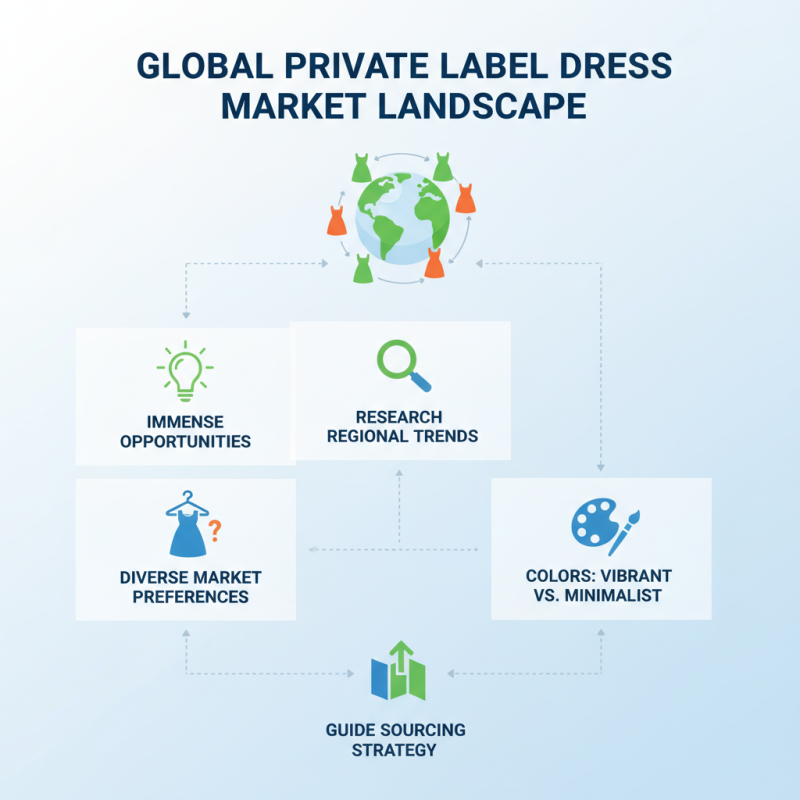
The global private label dress market presents immense opportunities. Understanding various regions’ fashion trends is essential. Each market has its own preferences. For instance, some countries favor vibrant colors, while others prefer minimalist styles. Researching regional tastes can guide your sourcing strategy.
Connecting with local suppliers can provide valuable insights. Often, small manufacturers align closely with market demands. Engage with them to understand what styles sell best. Be prepared for challenges, such as inconsistent quality or communication barriers. Building strong relationships is crucial. It can help overcome these obstacles effectively.
Sustainability is increasingly significant in the global fashion industry. Many consumers now prioritize eco-friendly practices. Consider sourcing from brands that utilize sustainable materials. This approach not only aligns with market trends but also enhances your brand's credibility. Reflect on how your sourcing choices impact the broader environment.
Identifying Key Sourcing Regions for Private Label Dresses
When sourcing private label dresses, identifying key regions is crucial. Asia stands out due to its rich manufacturing capabilities. Countries like China, India, and Vietnam offer diverse textiles and skilled labor. China leads in production efficiency, but ethical concerns sometimes arise. Ethical sourcing requires careful consideration and awareness of labor practices.
Eastern Europe is emerging as another significant region for sourcing. Countries such as Poland and Romania present advantages like proximity to Western markets and lower shipping costs. However, finding reliable partners can be a challenge. It’s essential to conduct thorough research and establish trust with suppliers.
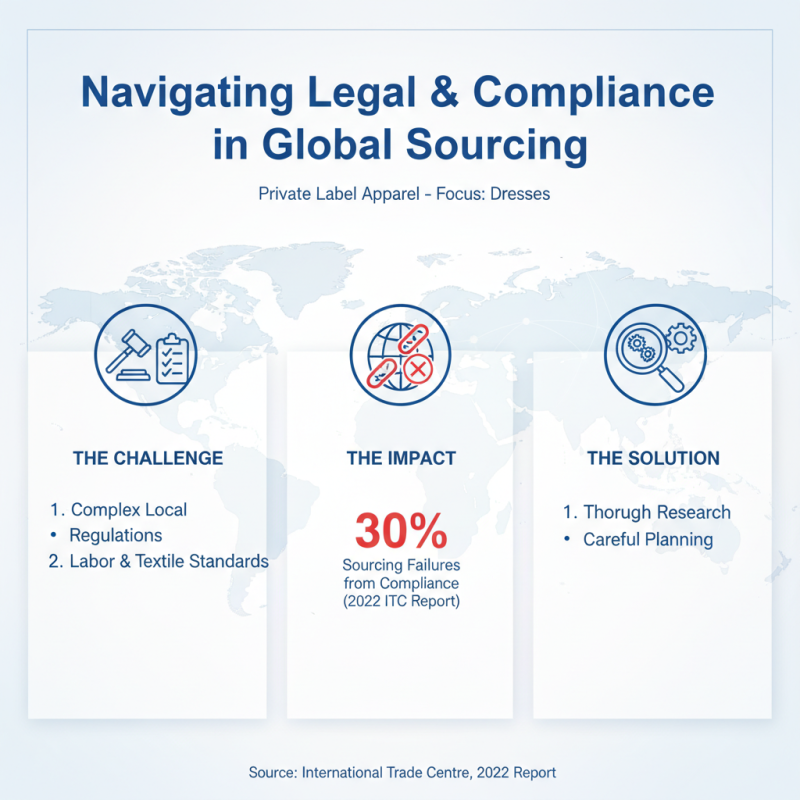
In South America, Brazil offers vibrant materials and designs. The local fashion scene fosters innovation and creativity. Yet, navigating local regulations and tariffs can be complex. Each region provides unique benefits and challenges. Understanding these intricacies is vital for successful sourcing of private label dresses.
Evaluating Supplier Credibility and Production Capabilities
When sourcing private label dresses, evaluating supplier credibility is critical. Start by researching potential suppliers online. Check their reviews, ratings, and testimonials. Reliable suppliers often have a strong online presence. Photos of their products should look professional, not blurry. Reach out to previous clients if possible.
Production capabilities are just as important. Understand if the supplier can meet your specific needs. Ask about their manufacturing process. A site visit can be beneficial. However, not everyone can visit. Thus, consider virtual tours instead. Look for certifications that ensure quality standards.
Questions about lead times and minimum order quantities should be clarified upfront. Reliable suppliers communicate openly about these issues. Be cautious if a supplier is vague or confrontational. This could indicate potential problems down the line. It’s vital to find a partner who values transparency and quality just as you do.
Top Tips for Sourcing Private Label Dresses Worldwide
| Criteria |
Details |
Importance (1-5) |
Notes |
| Supplier Certification |
ISO 9001, BSCI |
5 |
Validates quality management systems. |
| Production Capacity |
1000 units/month |
4 |
Ensures timely order fulfillment. |
| Lead Times |
4-6 weeks |
4 |
Consider time for sampling and revisions. |
| Sample Quality |
High-quality prototypes provided |
5 |
Critical for evaluating craftsmanship. |
| Communication |
Response time within 24 hours |
5 |
Effective communication is essential for smooth operations. |
| Minimum Order Quantity (MOQ) |
200 units |
3 |
Consider your budget and target market. |
| Pricing |
$15 - $30 per unit |
4 |
Should align with your retail strategy. |
Analyzing Cost Structures and Price Competitiveness in Dress Sourcing
When sourcing private label dresses globally, understanding cost structures is essential. Various factors play a role in the overall pricing. Reports indicate that labor costs in countries like Bangladesh are around $0.63 per hour, while in China, the average is $5.50. This significant difference impacts the final cost of the products. Ensuring price competitiveness means evaluating logistics, materials, and quality standards throughout the supply chain.
One key tip for sourcing effectively is to leverage local suppliers. Building relationships can reduce costs and improve communication. Additionally, consider the timing of your orders. Reports suggest that placing orders during off-peak seasons can lead to better rates and availability. It’s essential to analyze shipping durations, as delays can erode profitability.
While pricing is crucial, quality must not be compromised. Sourcing teams should conduct regular quality audits. Not every supplier meets the same standards. Investing time in understanding each factory's capabilities can prevent costly mistakes later. Balancing cost and quality is often a challenge, but it drives long-term success in private label fashion.
Cost Structures in Private Label Dress Sourcing