Top Tips for Sourcing Private Label Dresses Globally
Sourcing a Private Label Dress globally can be a rewarding yet challenging endeavor. Many businesses are drawn to the allure of unique designs and cost-effective production. However, navigating international markets demands thorough research and strategic planning. Understanding specific needs and trends in various regions is paramount to ensure success.
Successful sourcing involves much more than selecting suppliers. One must consider quality, reliability, and ethics. Meticulous attention to detail can make or break your launch. For example, you may find a manufacturer that seems ideal but lacks quality assurance measures. It’s essential to conduct site visits and seek references diligently.
Balancing creativity with practicality is vital. A stunning Private Label Dress design can falter without the right partner for production. Strategic sourcing shouldn’t overlook logistics and supply chain nuances. Reflecting on these elements helps avoid costly mistakes. Ultimately, the goal is to create a brand that resonates with customers and maintains integrity.

Understanding Global Private Label Dress Market Trends and Demand
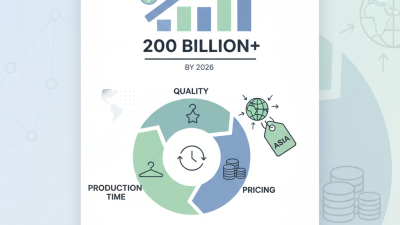
The global private label dress market is evolving rapidly. Several trends are shaping this dynamic landscape. Consumers increasingly seek unique designs at competitive prices. This demand drives retailers to explore private label options, enhancing their brand identity.
Sustainability is becoming a crucial factor. Many manufacturers now prioritize eco-friendly materials. Brands that embrace sustainable practices often gain a competitive edge. Yet, not every supplier meets these standards, making it vital to conduct thorough research. Engaging with reputable suppliers ensures compliance, but challenges remain in verifying their commitments.
Additionally, understanding regional preferences can be complex. What appeals in one market might not resonate in another. Fashion trends differ significantly across regions. Successful sourcing strategies should account for these nuances. However, adapting to every local demand can be overwhelming. Brands must remain agile to navigate these challenges effectively.
Global Private Label Dress Market Trends and Demand
Identifying Reliable Suppliers: Key Criteria for Sourcing Dresses Internationally
Sourcing private label dresses internationally requires careful consideration. Identifying reliable suppliers is crucial. Start by assessing their experience in the fashion industry. Suppliers with a solid track record often indicate reliability. Look for those who specialize in dress production. Their expertise can significantly impact the quality you receive.
Another important criterion is their production capabilities. A supplier's ability to meet your design specifications is essential. Request samples to evaluate fabric quality and stitching. Inspecting their work firsthand helps you avoid potential pitfalls. Additionally, consider their communication skills. Clear and responsive communication can prevent misunderstandings.
Keep in mind the importance of ethical practices. Verify that the suppliers follow labor laws and environmental regulations. This ensures a more sustainable partnership. It’s wise to check references and reviews. While some suppliers may appear promising, others might not fulfill their commitments. Reflect on these aspects during your search. Be prepared to ask tough questions. A reliable supplier will welcome scrutiny.
Cost Analysis: Balancing Quality and Pricing in Private Label Sourcing
When sourcing private label dresses, a detailed cost analysis is crucial. Balancing quality and pricing can significantly impact your business. Start by evaluating fabric types. Cheap materials may lower costs but can lead to dissatisfaction. Conduct trial runs to gauge how garments hold up after washing and wearing.
Understand the hidden costs as well. Shipping, customs, and tariffs can add up quickly. Not accounting for these can eat into your margins. Negotiating with suppliers is vital. Some may be willing to adjust prices based on order volume. This is a chance to keep costs down while ensuring quality.
Tip: Always look for reliable manufacturers with a proven track record. Check references and reviews. An established supplier often means better quality assurance. Don't overlook the importance of sampling. A small investment in samples can save money and enhance your brand image in the long run. Regularly reassess your sourcing strategies in response to market changes. Adapting is key to staying competitive.
Navigating Import Regulations and Duties for Fashion Products
Navigating import regulations and duties is crucial for anyone sourcing private label dresses globally. The fashion industry faces stringent regulations, with over 60% of businesses reporting challenges in compliance. Each country has unique rules governing tariffs, quotas, and import documentation.
Understanding these requirements can save you time and money. For instance, the average duty rate for clothing can range from 5% to 20%, depending on the product and origin. It’s essential to research the target market’s regulations before placing orders.
Tip: Work with a customs broker. They can provide insights into specific duties and paperwork needed for your shipments.
Staying updated on trade agreements is vital. For example, countries may have specific agreements that reduce tariffs. Ignoring these can lead to higher costs. Tip: Regularly review industry reports to keep track of changing regulations.
Following import guidelines can be complex. Yet, accuracy in documentation can streamline the process. Ensure all entries are correct to avoid delays. Engage with professionals who understand the landscape. It's worth the investment.
Effective Quality Control Strategies for Private Label Dress Production
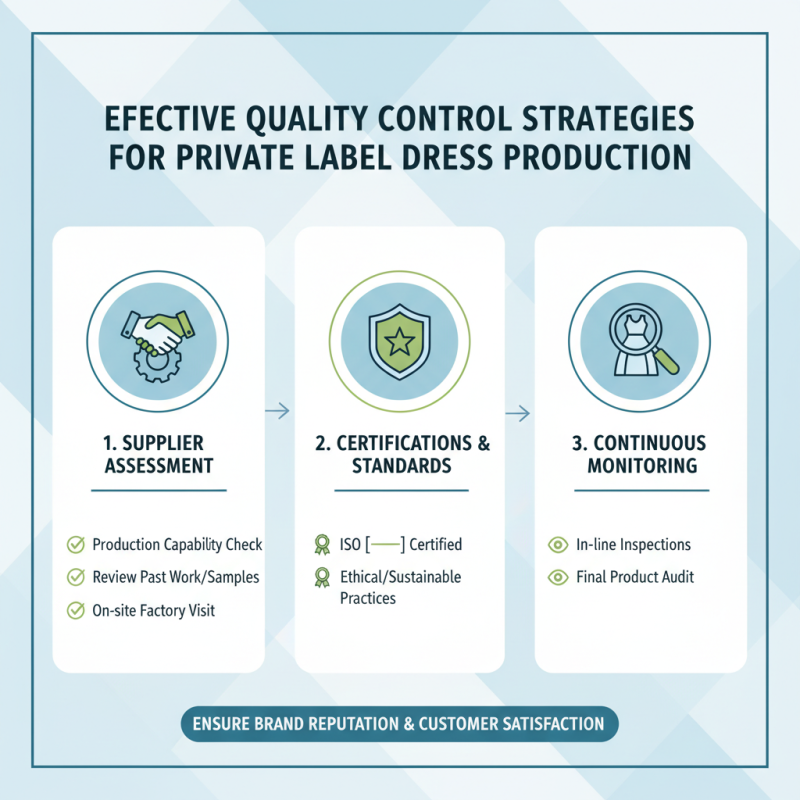
Quality control is essential in private label dress production. It ensures that the garments meet specific standards. To manage quality effectively, start with thorough supplier assessments. This means checking their production capabilities and previous work. A factory visit can provide valuable insights. Look for certifications that demonstrate their commitment to quality.
During production, implement regular inspections. These can catch defects early. Utilize random sampling methods for efficiency. Document every step in this process. It builds a clear history and allows for quick corrections. Engage with factories in real-time. Frequent communication can help resolve issues before they escalate.
After production, conduct final inspections of the finished products. Evaluate fit, fabric quality, and overall appearance. No garment is perfect, so be prepared for minor flaws. Reflect on these imperfections to improve future designs. Collect feedback from your market to enhance quality further. This ongoing process develops a reliable supply chain and elevates your brand's reputation.