What is Private Apparel and Why It Matters for Global Buyers?
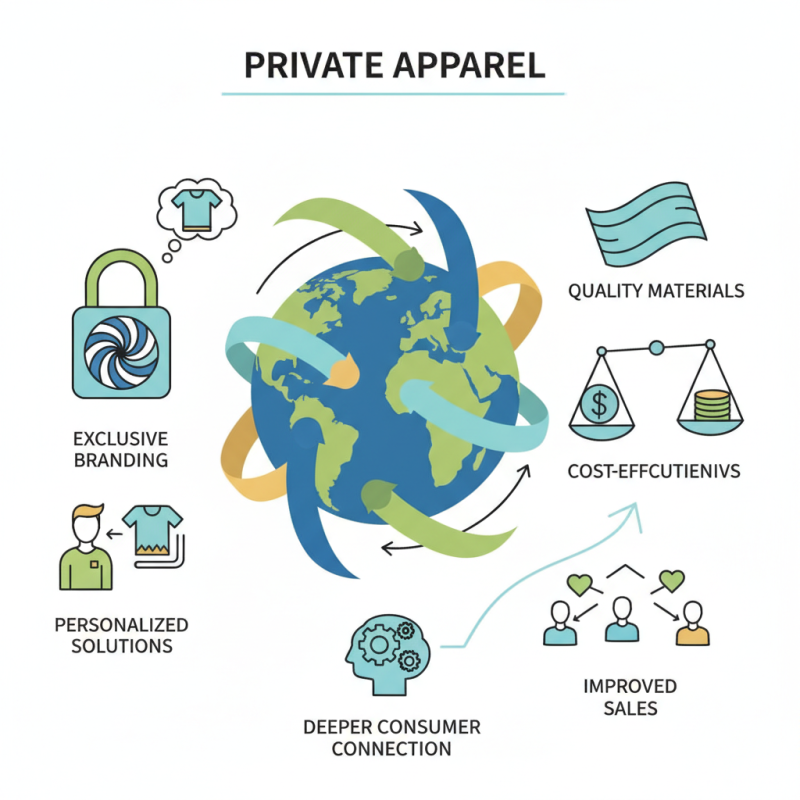
The world of fashion is rapidly evolving, and "Private Apparel" has emerged as a significant trend. Not only does it offer exclusive branding opportunities, but it also caters to the growing demand for personalized clothing solutions. According to industry expert Dr. Emily Clarke, “Private Apparel allows brands to connect with consumers on a deeper level, ensuring uniqueness in a saturated market.”
In recent years, global buyers have recognized the importance of Private Apparel. This sector empowers retailers to create distinctive products that resonate with their target audience. The struggle, however, lies in balancing quality with cost-effectiveness. Buyers often face challenges in sourcing reliable materials while maintaining their brand identity.
Navigating the complexities of Private Apparel requires knowledge and experience. Retailers must stay updated on consumer preferences and industry trends. Every decision shapes brand perception. In this competitive landscape, understanding Private Apparel becomes essential. Embracing its potential can lead to more meaningful consumer connections and improved sales outcomes.
Understanding Private Apparel: Definition and Scope in the Industry
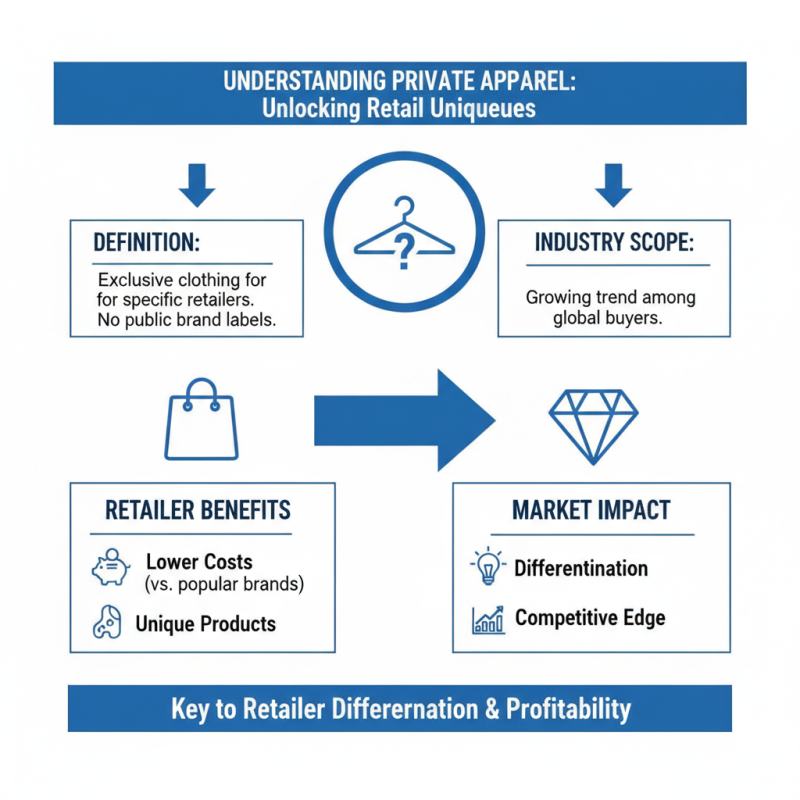
Private apparel refers to clothing lines created for specific retail brands without public labeling. The concept is gaining traction among global buyers. It allows retailers to offer unique products without the high costs associated with popular brands. By tapping into private apparel, businesses can differentiate themselves in a crowded market.
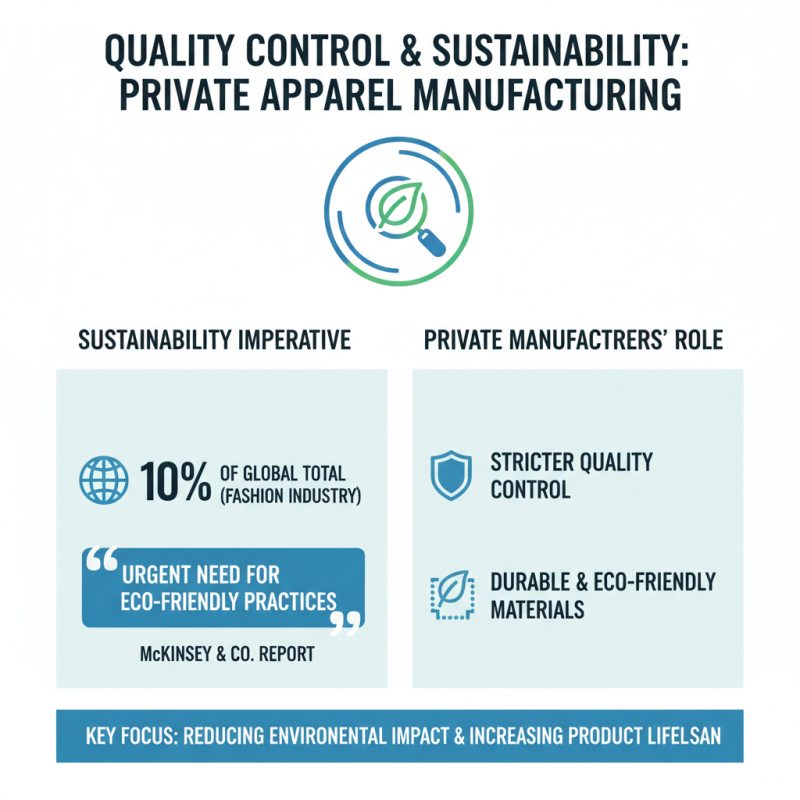
The scope of private apparel is broad. It covers casual wear, activewear, and even formal attire. These garments often prioritize quality and affordability. However, some buyers may hesitate, unsure about the unknown origins of production. It's essential to address these concerns by ensuring transparency in the supply chain. Buyers should seek out manufacturers with a proven track record, emphasizing ethical practices and sustainability.
As private apparel continues to grow, its importance rises. Retailers can experiment with designs and styles that reflect their brand identity. The potential for innovation is significant, yet not without challenges. The industry must grapple with issues such as quality control and brand image. Engaging with reliable partners can mitigate risks while enhancing brand credibility in the competitive marketplace.
The Rise of Private Label Brands: Market Trends and Growth Statistics
Private label brands have gained significant traction in the global apparel market. Recent data indicates these brands accounted for 20% of overall apparel sales in 2022, a notable increase from previous years. They offer retailers a way to enhance margins and control branding. This shift is crucial for businesses aiming for sustainability and market differentiation.
Market research indicates that private label sales are projected to grow by 15% annually through 2025. This growth reflects a changing consumer mindset that favors quality and value over traditional brand loyalty. Retailers are finding that private labels can attract budget-conscious consumers, especially during economic downturns. However, maintaining quality and staying relevant is a challenge. Brands must innovate continuously to satisfy evolving consumer needs.
There’s an increasing demand for transparency in sourcing and manufacturing processes. Many consumers now prioritize ethical standards in their purchasing decisions. Data shows 70% of shoppers are inclined to choose brands that align with their values. This underscores the importance for private labels to not only appeal to cost but also to ethical considerations. Brands that fail to adapt may risk losing market share in this competitive landscape.
Market Trends and Growth Statistics of Private Label Brands
| Country |
Market Share (%) |
Growth Rate (2023-2028) (%) |
Consumer Preference (%) |
| United States |
25 |
5.2 |
52 |
| United Kingdom |
30 |
4.7 |
55 |
| Germany |
20 |
4.5 |
48 |
| France |
18 |
3.9 |
47 |
| Canada |
22 |
5.0 |
54 |
Cost Advantages of Private Apparel for Global Buyers: A Data-Driven Analysis
Private apparel has emerged as a key component for global buyers, offering distinct cost advantages. By opting for private label products, companies can significantly reduce expenses. The cost savings stem from minimized marketing overheads and streamlined supply chains. This allows businesses to pass savings directly to consumers.
However, sourcing private apparel is not without challenges. Quality control can be inconsistent, varying across manufacturers. Global buyers must establish rigorous standards and conduct regular audits. This ensures that the apparel meets quality expectations. Buyers also face potential trade-offs between price and material quality.
Data-driven insights reveal trends in consumer preferences toward affordable yet stylish clothing. Private apparel caters to this demand effectively. Emphasizing value over brand prestige resonates with today's budget-conscious shoppers. Nevertheless, buyers must remain vigilant. Market dynamics change, and staying ahead requires adaptability and continuous analysis.
Consumer Preferences and Private Apparel: Insights from Recent Surveys
Private apparel is gaining traction among global buyers due to shifting consumer preferences. Recent surveys indicate that nearly 73% of consumers prefer private label brands over national brands. This trend reflects a growing desire for quality at competitive prices. Private apparel often emphasizes design and production transparency, appealing to ethically-conscious shoppers.
Furthermore, industry reports reveal that private label sales have surged by 45% in the past five years. This growth is driven by millennials and Gen Z, who prioritize sustainability and affordability. A compelling statistic shows that 65% of younger consumers are willing to pay more for ethically produced clothing. Brands must adapt by focusing on consumer values and preferences in their offerings. Yet, many struggle to balance quality and cost, leading to inconsistent product experiences.
Despite the growth potential, challenges remain. Not all private apparel meets customer expectations for quality. As competition increases, brands need to refine their strategies. Understanding consumer feedback is crucial. Brands should leverage surveys and data analysis to enhance their private apparel lines. Cultivating consumer trust depends on transparency and consistent quality delivery.