Ultimate Tips for Sourcing White Label Clothing Successfully
In the evolving fashion industry, sourcing White Label Clothing has become a crucial strategy for many brands. A recent report by Statista shows that the global market for private label apparel is expected to reach $196 billion by 2025. This presents a significant opportunity for businesses looking to enter a competitive space without the burden of creating their own designs from scratch.
Industry expert Sarah Johnson points out, “Successfully sourcing white label clothing requires a deep understanding of market demands and consumer preferences.” This highlights the necessity of research in achieving success. However, many newcomers face challenges. They often underestimate the importance of quality control and supplier relationships. Poor choices can lead to brand damage, affecting customer trust.
The landscape of White Label Clothing is dynamic. Brands must stay agile, focusing on trends and customer needs. It's vital to learn from missteps in sourcing. Analyzing past mistakes can pave the way for smarter decisions. In this journey, embracing both success and failure is essential for sustainable growth.

Understanding White Label Clothing: Market Size and Trends
The market for white label clothing has seen significant growth in recent years. This is largely driven by the rise of e-commerce and changing consumer preferences. Many businesses are drawn to white label solutions because they provide flexibility without the burden of manufacturing.
Understanding the current market size is crucial. As of late 2023, the global white label clothing market is valued in the billions. Key trends include eco-friendly materials and customization options. Consumers increasingly seek sustainable choices. However, many brands struggle to balance cost and quality. The quality of white label products can vary, which is a critical consideration for retailers.
Businesses must analyze suppliers closely. Poor choices can impact brand reputation. Trust in suppliers is essential. Establishing strong relationships can lead to better communication and quality control. Staying informed on market trends will guide brands towards successful sourcing. It is important to remain adaptable, as the market continues to evolve.
Identifying Reliable Suppliers: Key Criteria and Industry Ratings
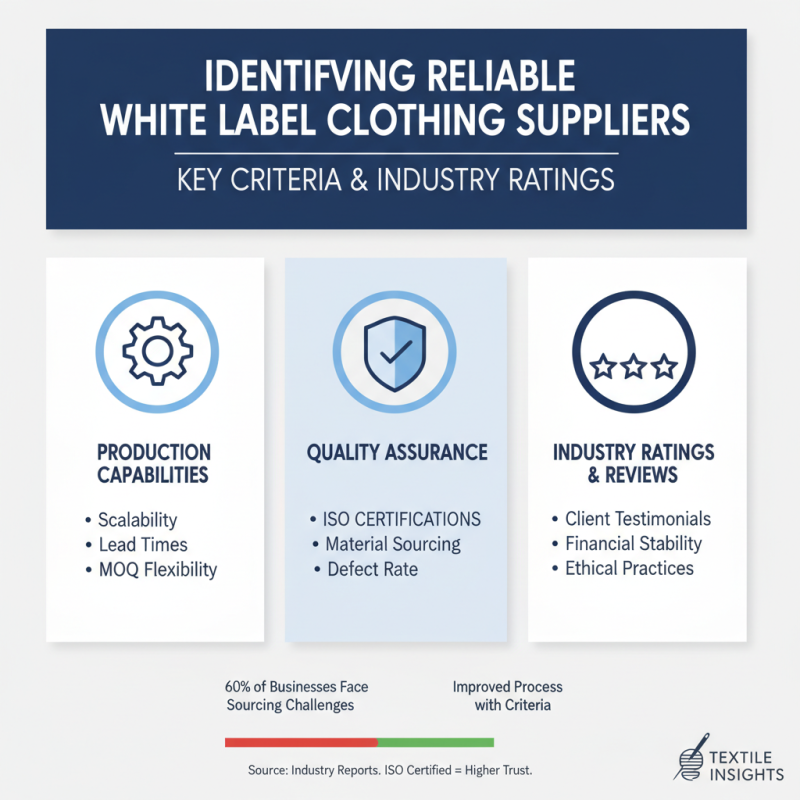
When it comes to sourcing white label clothing, identifying reliable suppliers is crucial. Industry reports indicate that approximately 60% of businesses face challenges in supplier selection. Accurate knowledge of key criteria can significantly enhance this process. Key factors include production capabilities, quality assurance, and industry ratings. Suppliers with ISO certifications often indicate higher quality standards, promoting trust.
One vital tip is to conduct thorough research on potential suppliers. Utilize platforms that aggregate supplier ratings and reviews. Reports from sourcing databases highlight that suppliers with at least 4-star ratings tend to deliver better products consistently. It’s wise to request samples before committing. This not only showcases product quality but also allows you to assess the supplier's responsiveness.
Another important aspect is communication. Clear and open lines of communication can help build a solid relationship. Lack of transparency can lead to misunderstandings, resulting in quality issues. Remember, not every supplier will meet expectations on the first try. Reflection on previous experiences will guide better decision-making in future partnerships. Focus on nurturing relationships with dependable suppliers who align with your brand's values.
Effective Negotiation Techniques for Securing Competitive Pricing
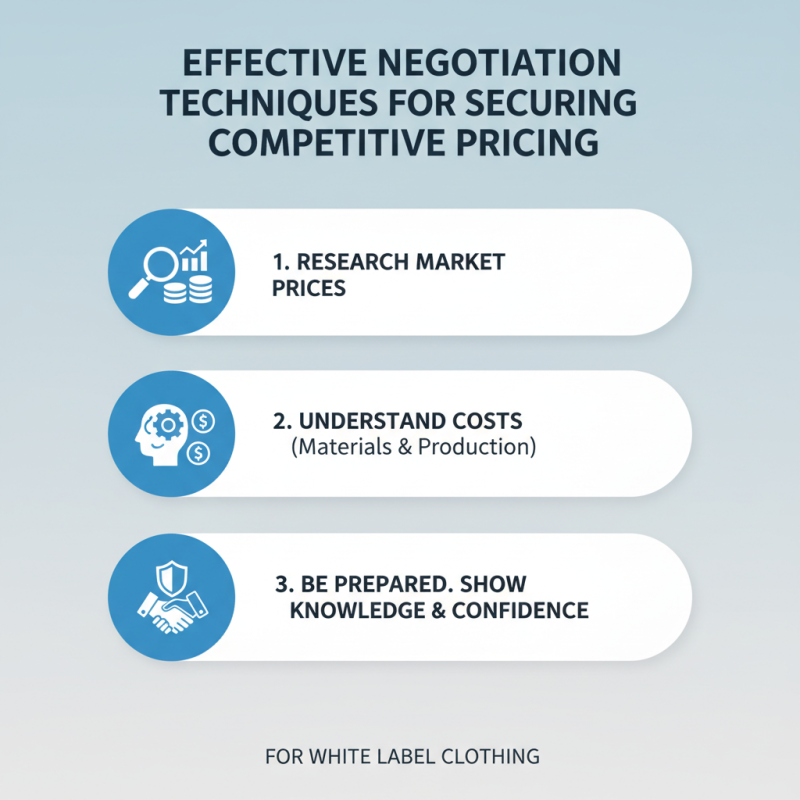
Negotiating competitive pricing for white label clothing can be challenging. Start by researching market prices. Understand the average costs of materials and production. This knowledge empowers you during discussions with suppliers. Show them you are prepared. Suppliers respect informed buyers.
Building rapport is essential. Establishing a relationship can lead to better deals. Engage in genuine conversations, not just business. Ask about their operations and challenges. This creates a connection, which can be beneficial during negotiations. Also, consider leveraging bulk orders. Many suppliers offer discounts for larger quantities.
Don't hesitate to push back on initial offers. Suppliers expect negotiation. However, remain respectful and fair. If a supplier knows you are serious but fair, they might be willing to lower the price. But be mindful. Over-negotiating can harm relationships. Aim for a win-win situation. Always reflect on your negotiation style. What worked? What didn't? Constantly refining your approach is crucial for long-term success.
Quality Control Measures: Ensuring Consistency in Product Delivery
When sourcing white label clothing, quality control is paramount.
According to a recent industry report, 75% of consumers prioritize product quality over brand reputation.
This emphasizes the need for rigorous quality control measures. Implementing standardized testing can catch defects early in the production process.
Simple checks, like fabric durability and colorfastness, can prevent costly returns.
Effective communication with manufacturers is essential.
Regular audits help ensure that production standards are met consistently. According to the Global Apparel Quality Guidelines,
80% of quality issues arise from miscommunication. Clear specifications and samples can bridge this gap.
Companies must also prioritize feedback loops, allowing retail partners to share their observations on product quality.
However, it’s important to note that no system is foolproof.
Even with stringent measures, inconsistencies can occur.
A study highlighted that 30% of businesses experienced quality failures last year.
Reflecting on these challenges can help businesses refine their sourcing strategies.
Continuous improvement should be the goal, focusing on building long-lasting relationships with trusted suppliers.
Marketing Strategies: Positioning Your White Label Brand for Success
Positioning your white label brand effectively requires thorough market research. Understand your target audience's preferences. Are they looking for sustainability or affordability? Gather insights through surveys or social media. Knowing this helps tailor your products and messaging.
Your brand's story holds immense power. It establishes authenticity and connection. Share the journey of your brand and its values. This can resonate deeply with consumers. Visual storytelling through high-quality images and engaging videos can elevate customer interest. Authenticity fosters loyalty.
Consider your marketing channels. Social media, influencers, and email campaigns can dramatically expand your reach. Diversify your messaging for each platform. Don’t overlook the need to track and analyze your marketing performance. Adjust your strategies based on what works. Reflection leads to improvement. Gaps in understanding your audience may hinder growth. Consistent feedback and adaptation can lead to better engagement.