How to Start a Successful Private Label Clothing Business in 2026?
Starting a successful private label clothing business in 2026 requires careful planning and strategic execution. The private label market is projected to reach $419 billion by 2027, driven by a growth rate of 6.7% annually. This offers an enticing opportunity for entrepreneurs willing to dive into the fashion industry. Establishing a unique brand is crucial, as consumers seek original designs and quality garments.
The competition remains fierce. According to a recent survey, 61% of startup clothing brands struggle to differentiate themselves. This emphasizes the need for a well-defined brand identity. A strong online presence is vital, with e-commerce representing nearly 25% of apparel sales in the U.S. Retailers must adapt to digital trends to thrive.
Understanding your target demographic is essential. Consumers are increasingly favoring sustainable and ethical products. This trend shapes your product development and marketing strategies. As you navigate this dynamic landscape, remember that flexibility and adaptation are key. Entrepreneurs must consistently refine their approach. Facing challenges is part of the journey in the private label clothing sector.

Understanding the Private Label Clothing Business Model and Trends
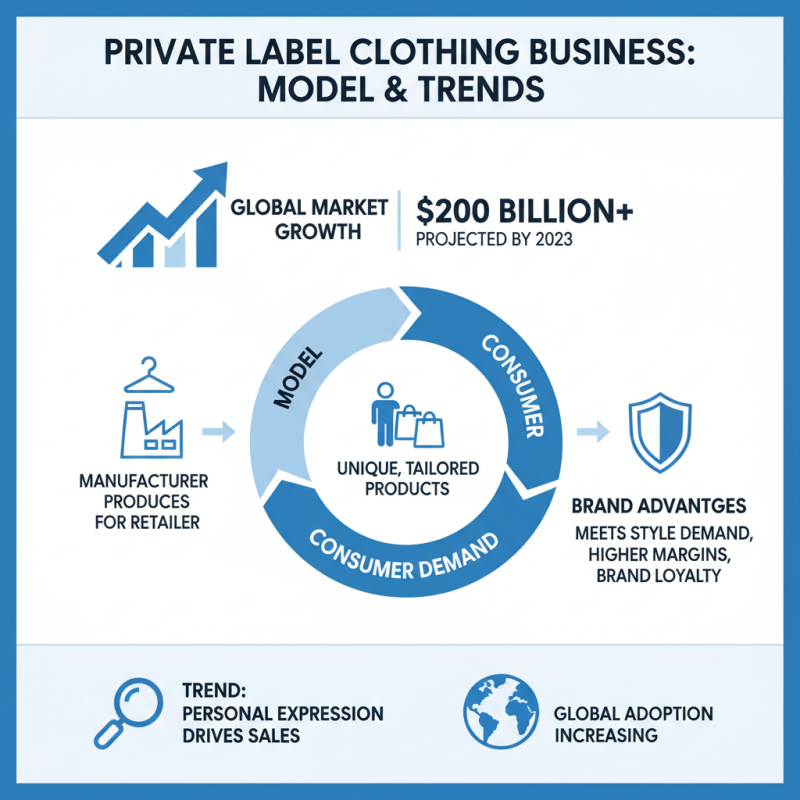
The private label clothing business model is gaining traction globally. As of 2023, the market is projected to reach over $200 billion. This growth stems from rising consumer preferences for unique, tailored products. Many shoppers want clothing that reflects their personal style. Private label brands can meet these demands effectively.
Tips: Identify your target audience early. Understand their style preferences and buying behaviors. Conduct surveys or focus groups to gather insights.
Another trend shaping this industry is sustainability. Consumers are increasingly choosing brands that prioritize eco-friendly practices. According to a 2022 survey, 75% of consumers prefer brands that demonstrate social responsibility. Hence, incorporating sustainable materials can enhance your brand's appeal.
Tips: Research sustainable suppliers. Consider using organic fabrics or recycled materials. This choice may come with challenges, like higher costs, but it can differentiate your brand.
Finally, online marketplaces play a crucial role. Many private label businesses leverage platforms like Amazon or Etsy to reach wider audiences. In fact, online sales for private label clothing surged by 30% in 2022. However, standing out in a crowded market requires distinctive branding and effective marketing strategies.
Conducting Market Research for Target Audience and Niche Selection
Conducting thorough market research is crucial when starting a private label clothing business. Understanding your target audience helps you tailor your products. Identify who they are and what they want. Utilize surveys and social media interactions to gather insights. Look into trending styles and consumer preferences. This will inform your decisions on fabric, design, and pricing.
Tips: Focus on niche markets. Instead of targeting everyone, find a specific group. For instance, consider eco-friendly clothing for environmentally conscious consumers. Investigate competitors within that niche. Understand their strategies and customer engagement. Adapt your approach to fill gaps in the market.
Finding a unique selling proposition is vital. Explore what makes your offering different from others. It could be quality, affordability, or exclusive designs. Make sure to test ideas with a small audience before a full launch. Reflection is key here; analyze what worked and what didn’t. Adjust your strategy based on real feedback to better meet your audience's needs.
Sourcing Quality Materials and Finding Reliable Manufacturers
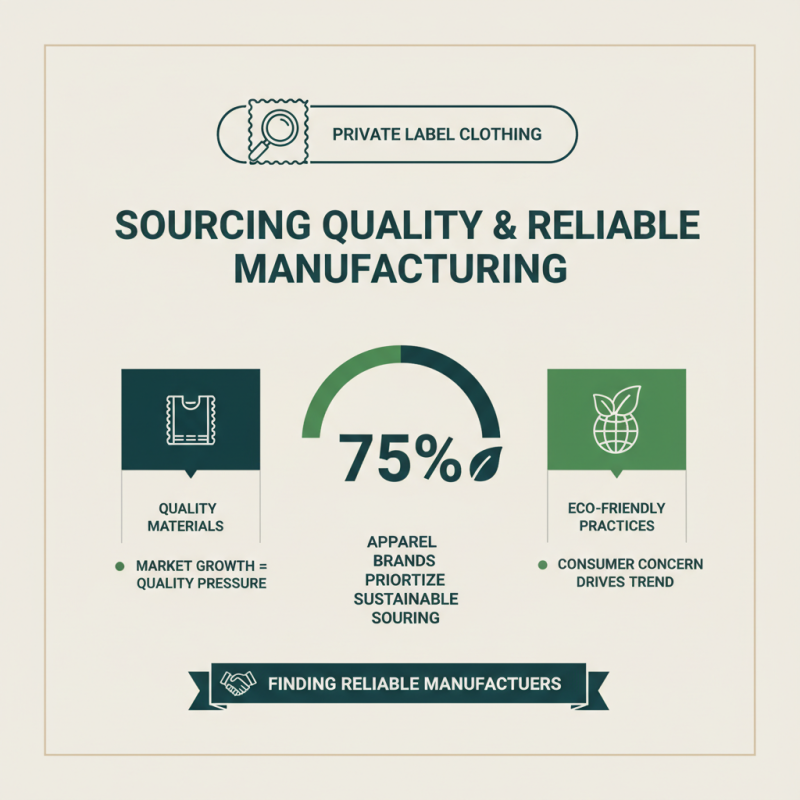
Sourcing quality materials is crucial for a private label clothing business. As the market grows, manufacturers face pressure to maintain quality. A recent industry report shows that 75% of apparel brands emphasize sustainable sourcing. This trend reflects consumers' growing concern for eco-friendly practices.
Finding reliable manufacturers involves thorough research. Look for factories with certifications, such as ISO 9001, which indicates quality management. Prioritizing manufacturers who use ethical labor practices not only enhances brand reputation but also aligns with modern consumer values. Familiarize yourself with local laws and regulations, which can vary widely.
Tips: Develop a checklist for assessing manufacturers. Include quality control measures, lead times, and communication practices. Engage in direct conversations with potential suppliers to gauge their commitment to your standards.
Quality sourcing isn’t just about finding the lowest price. Balance cost with quality to avoid future issues. Consider sampling before placing large orders to assess the material's durability. A focus on detail can prevent setbacks as you scale your business.
Creating a Brand Identity: Designing Your Clothing Line
Creating a strong brand identity is essential for any private label clothing business. Start by defining your target audience. Consider their age, lifestyle, and fashion preferences. Conduct surveys or use social media to gather insights. This research will guide your designs and marketing strategies.
Next, focus on your unique value proposition. What sets your clothing line apart? It could be sustainability, comfort, or innovative designs. Develop a clear message that reflects this uniqueness. Create a brand story that resonates with your target audience. Use visuals that capture your essence, such as a logo or color palette.
Your design process should reflect this identity. Sketch your ideas based on your audience's preferences. Source materials that align with your brand values. Test samples and gather feedback. This stage is critical for growth. Be open to tweaking your designs based on input. Remember, authenticity builds trust. Embrace imperfections as opportunities for improvement.
How to Start a Successful Private Label Clothing Business in 2026? - Creating a Brand Identity: Designing Your Clothing Line
| Dimension |
Details |
| Target Market |
Millennials and Gen Z, ages 18-35 |
| Core Values |
Sustainability, diversity, and inclusivity |
| Key Styles |
Athleisure, streetwear, and eco-friendly materials |
| Design Inspiration |
Urban culture and vintage aesthetics |
| Pricing Strategy |
Mid-range pricing to appeal to budget-conscious consumers |
| Marketing Channels |
Social media, influencer partnerships, and online ads |
| Production Approach |
Small batch manufacturing with ethical suppliers |
| Brand Story |
Focused on empowering consumers through fashion choices |
Developing Effective Marketing Strategies for Launch and Growth
Starting a private label clothing business requires effective marketing strategies. It's essential to build a strong brand presence. Focus on identifying your target audience. Understand their needs, preferences, and trends. This knowledge will shape your marketing efforts. Create a unique selling proposition that sets your clothing line apart.
Tips: Utilize social media platforms to showcase your products. Engaging visuals can attract potential customers. Develop a content calendar to maintain consistent posts. Consider influencer partnerships for wider reach. Choose influencers whose audience aligns with your brand.
Another approach is leveraging email marketing. Build a subscriber list early. Offer exclusive discounts or sneak peeks to encourage sign-ups. A compelling email campaign can nurture leads and drive conversions.
Be open to feedback. Listen to customer responses. Adapt your strategies based on their reactions. Successful businesses evolve. Monitor trends regularly, and adjust your offerings accordingly. Marketing is an ongoing process that requires reflection and adjustment.
Growth in Online Clothing Sales (2020-2026)