Top Trends in Logo Printing on Clothes for 2026?
In recent years, the trend of logo printing on clothes has surged, transforming the fashion industry. According to a report by Grand View Research, the global custom t-shirt printing market is expected to reach $3.1 billion by 2026. This growth reflects a growing demand for personalized and branded apparel among consumers. The rise of streetwear and influencer culture has played a significant role in popularizing logo-centric designs.
Logo printing on clothes is not just a trend; it’s a powerful marketing tool. Businesses use visually appealing logos to enhance brand recognition. Reports indicate that 70% of consumers can identify a brand by its logo alone. However, not all logo designs succeed. Some fail to resonate with target audiences. Thus, creativity and market research are essential before finalizing designs.
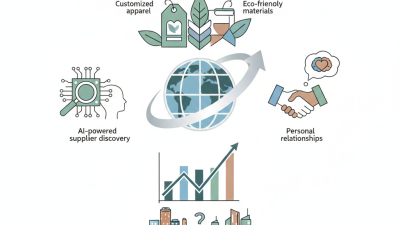
Sustainability is a growing concern in the industry. Eco-friendly printing techniques are becoming crucial. A survey by the Fashion Institute of Technology reveals that 65% of consumers prefer sustainable clothing options. Brands that ignore this trend risk losing consumer interest. As we look to 2026, logo printing on clothes must evolve to meet these changing expectations while maintaining brand identity and value.
Emerging Technologies in Logo Printing for Clothing in 2026
As we look towards 2026, logo printing on clothing is set to undergo significant transformations, driven by emerging technologies.
One notable trend is the integration of 3D printing. This technique allows for dynamic logos with textures and intricate designs that were once impossible with traditional methods.
The tactile experience of a 3D logo can enhance brand recognition, making garments more memorable. However, producing 3D prints can present challenges, such as material compatibility and durability.
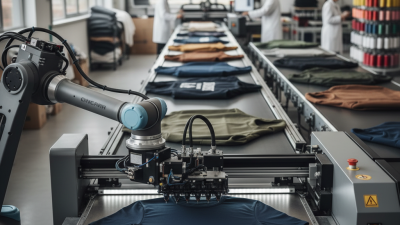
Another exciting development is the rise of digital fabric printing, which offers unparalleled precision. With this technology, designs can be easily modified and printed on-demand.
This flexibility allows brands to quickly respond to changing consumer preferences. Yet, companies may struggle with balancing mass customization and production efficiency.
The risk of overstock remains a concern, demanding carefully inventory management.
Sustainability is also becoming a critical focus. Eco-friendly inks and recyclable materials are gaining traction.
Brands are eager to project a responsible image, but the initial investment in sustainable technology can be high. As fashion evolves, so does the responsibility to innovate without compromising environmental standards.
The journey towards achieving a perfect blend of creativity, functionality, and sustainability is ongoing, and those who navigate these challenges will lead the way in the logo printing landscape.
Sustainable Materials and Eco-Friendly Practices in Logo Printing
The trend towards sustainable materials in logo printing is gaining momentum. A recent report indicates that 68% of consumers prioritize eco-friendly options when purchasing clothing. This shift reflects a growing awareness of environmental issues. Brands that prioritize sustainability can stand out in a crowded market.
Eco-friendly practices, such as using water-based inks and organic fabrics, are becoming more common. These materials reduce chemical runoff and minimize pollution. However, many companies face challenges. Sourcing sustainable materials can be expensive and complicated. Some manufacturers report difficulties in maintaining quality standards while being eco-conscious.
Another aspect to consider is the lifecycle of printed clothing. The fashion industry contributes significantly to waste. A study found that approximately 92 million tons of textile waste are generated annually. Adopting recycling initiatives can help mitigate this issue. Efforts to educate consumers about garment care can also enhance durability. This way, clothing can have a longer life, reducing the frequency of disposal.
Personalization: The Rise of Custom Logo Designs in Apparel
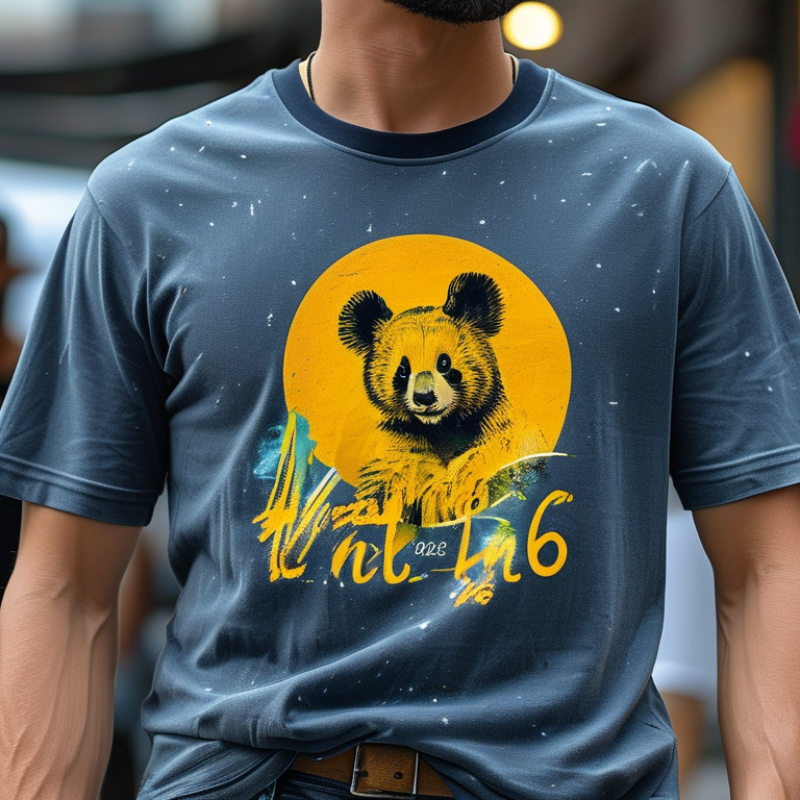
Personalization is revolutionizing the world of apparel. Custom logo designs are now a go-to trend for brands in 2026. This shift aligns with consumer desires for unique identity and self-expression. Traditional designs can feel impersonal. They often lack the emotional connection that custom logos provide.
In practical terms, creating personalized logos requires thoughtful design choices. Businesses should consider their target audience’s preferences. Understanding what resonates is crucial. Engaging with your audience through surveys or polls may unveil valuable insights. Aim for designs that reflect both brand values and customer personalities. Simplicity often works best. A complicated logo can confuse rather than attract.
Additionally, it's essential to balance creativity with consistency. The logo should align with the overall brand message. Test different designs with a small audience first. This approach can reveal what works and what needs refinement. Remember, imperfect designs can lead to unexpected successes. Be open to feedback, as it can guide future changes. Modifying a design based on user experiences can create a loyal customer base ready to embrace your branding.
Trends in Color and Design Schemes for Logo Printing
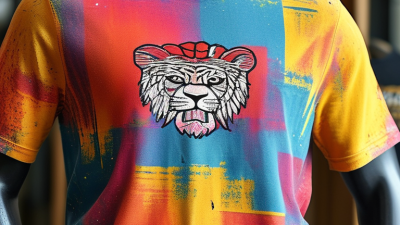
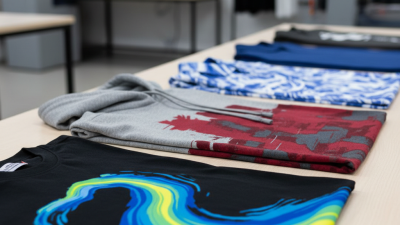
In 2026, logo printing on clothes will see vibrant color schemes and innovative design elements. Bright neons will make a strong comeback, attracting attention from all angles. These bold colors accentuate logos, reinforcing brand identities in a visually dynamic way. They evoke energy and excitement, which resonates well with younger audiences who seek to stand out.
Design schemes will shift towards minimalist aesthetics. Simple, clean logos will dominate the landscape, allowing for clear messaging. However, brands need to reflect on the balance between simplicity and memorability. Overly minimalist designs can become forgettable, fading into the background amidst colorful competitors. Transparency in design will also grow, with some companies opting for semi-transparent prints that create layered looks, encouraging creativity.
As brands experiment, there will be challenges. Striking the right balance between trendiness and timelessness will be crucial. Some logos may risk looking dated quickly. Brands must continuously evaluate their design choices to stay relevant. The rise of digital tools will enable rapid prototyping of ideas but can also lead to rushed decisions. It’s vital to prioritize thoughtful design, even amid trend-driven pressures. Recognizing these nuances will help brands create clothing that truly resonates.
The Impact of Social Media on Logo Printing Choices for Brands
Social media profoundly influences logo printing choices for brands. According to a 2023 report by Statista, over 70% of consumers engage with brands on social platforms. These interactions heavily shape consumer perceptions. Brands must choose logos that resonate with their audience.
In 2026, adaptability becomes critical. A study by the Global Web Index indicates that 60% of users prefer personalized apparel. Brands are responding by crafting logos that reflect individual styles. However, this creates the challenge of maintaining brand identity across various designs.
Moreover, visual aesthetics play a vital role. Research from Visual Capitalist shows that 93% of consumer judgments are based on visual appearance. This statistic underscores the importance of striking logos in clothing. Brands face the constant pressure to evolve their logo designs. They must balance uniqueness with recognition. As they navigate this terrain, the need for effective social media strategies grows. Engaging content around logos can enhance consumer loyalty and attract new customers.
Top Trends in Logo Printing on Clothes for 2026