What is Logo Printing On Clothes and How Can You Use It?
In today's fashion landscape, "Logo Printing On Clothes" has emerged as a powerful branding tool. Experts like John Miller, a leading figure in textile marketing, emphasize its importance: "A well-placed logo transforms clothing into a canvas for your brand." Businesses and designers increasingly turn to this method to create memorable apparel.
Logo printing not only promotes brand identity but also engages consumers on a personal level. From sports teams to local businesses, logos manifest loyalty and belonging. The tactile experience of a printed garment brings abstract concepts of branding into the physical world. However, the challenge lies in creating designs that resonate with audiences. Not all logos achieve this connection, and poorly executed designs can backfire, leading to negative perceptions.
Moreover, the environmental impact of logo printing must also be considered. Sustainable practices are essential in the industry. As we explore the various applications and benefits of logo printing on clothes, we must acknowledge its potential pitfalls. The balance between creativity and responsibility is vital for long-term success.
What is Logo Printing on Clothes?
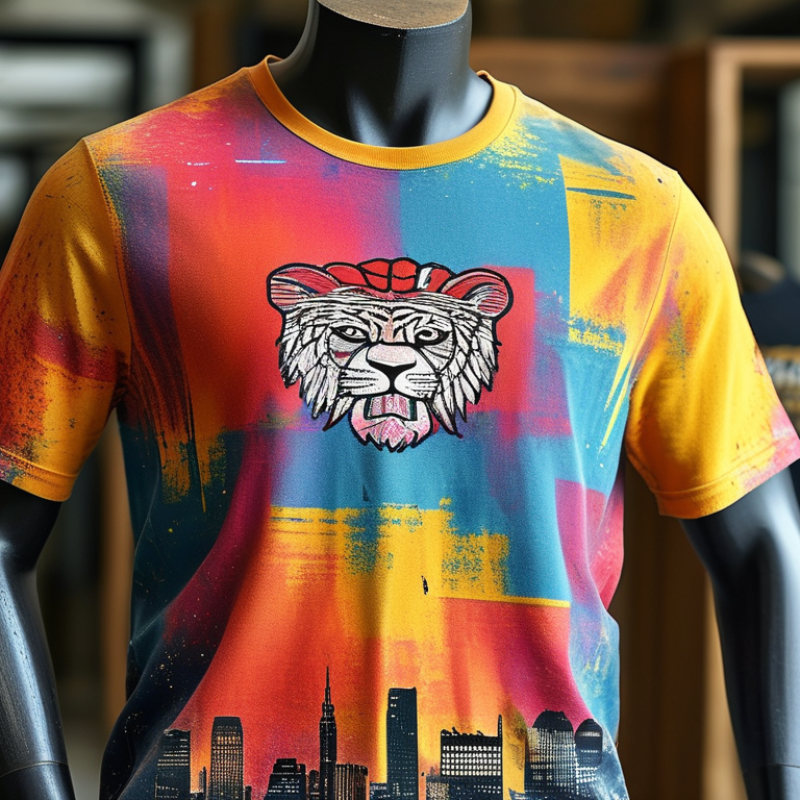
Logo printing on clothes is a popular method to enhance brand visibility and express individuality. This process involves applying a design or logo onto fabric, creating a unique piece of clothing. Various techniques can be used for this, including screen printing, heat transfer, and embroidery. Each method offers different aesthetics and durability, allowing brands to choose based on their needs.
Choosing the right logo printing technique often requires thought. Screen printing is cost-effective for bulk orders but may limit color options. Heat transfer provides vibrancy but might not withstand wear as well as other methods. Adding logos can also impact the garment’s feel. Sometimes, the more elaborate the design, the less comfortable the fabric can feel.
When considering logo printing, reflect on your audience and message. A simple logo may resonate more effectively with certain viewers. Experimenting with different styles can lead to valuable insights. Keep in mind that the process is not always perfect. Issues may arise with alignment or color accuracy, leading to adjustments during the creation process. Embracing these challenges can lead to a stronger final product.
Types of Logo Printing Techniques Explained
When it comes to logo printing on clothes, understanding the various techniques is essential. Each method offers unique advantages and disadvantages. Screen printing is a popular choice, especially for bulk orders. It provides vibrant colors and durability. However, intricate designs may not translate well with this method. It’s crucial to evaluate design complexity before deciding.
Direct-to-garment (DTG) printing is another innovative option. This technique allows for detailed designs and color gradients. It suits custom projects with small quantities. Yet, DTG can be less durable over time. The differences in longevity between techniques should be accounted for.
Vinyl printing is also notable; it’s versatile for both small and large designs. Vinyl can peel if not applied correctly, raising concerns about its durability under stress.
Each technique has distinct costs and requirements. Identifying suitable fabrics is also vital for achieving quality results. Sometimes, the choice of printing can limit design potential. Consideration of the target audience is important too. Ultimately, experimentation can lead to better decisions.
Benefits of Logo Printing for Businesses and Organizations
Logo printing on clothes offers significant advantages for businesses and organizations. According to a study by the Promotional Products Association International, 79% of people can recall the branding on promotional products they received in the past two years. This statistic underscores the effectiveness of logo printing as a marketing tool.
Branding through clothing enhances visibility. Custom apparel acts as a walking advertisement. When employees wear branded clothes, it increases brand awareness. The same report reveals that 83% of consumers like wearing promotional apparel. This dual benefit of personal enjoyment and brand promotion is powerful.
Logo printing is also cost-effective. The average cost per impression of apparel is lower than other advertising methods. Businesses can keep their brand in the consumer's mind at a fraction of traditional advertising costs. Yet, not every design resonates. Brands must consider their target audience’s preferences carefully. Poor design choices can lead to ineffective promotional efforts. This is an area where reflection and refinement can lead to better results.
How to Choose the Right Logo for Your Clothing Line
Choosing the right logo for your clothing line is essential. A well-designed logo can communicate your brand’s identity and attract your target audience. It should reflect your values and style. Simple designs often work best. They are memorable and versatile for different clothing items.
Consider the colors carefully. Colors evoke emotions and have meanings. For example, red can signify passion, while blue suggests trust. Your logo's typography also plays a crucial role. The font should align with your brand's personality. Elegant scripts may suit high-fashion lines, while bold fonts might work for streetwear.
Seek feedback on your logo ideas. Sometimes, initial concepts may not resonate with your audience. Engaging potential customers early helps refine your design. It’s vital to be open to revisions and critical feedback. Remember, even established brands tweak their logos over time. The journey of logo creation is iterative and reflective.
Logo Printing Trend in Clothing Industry (2023)
This bar chart represents the increasing trend of different types of logo printing methods used in the clothing industry in 2023. The data showcases the popularity of various printing techniques among fashion brands.
Tips for Designing and Applying Logo Prints on Apparel
When considering logo printing on clothes, thoughtful design is key. Your logo should be memorable but not overcrowded. Stick to simple shapes and limited colors to enhance recognition. Keep in mind that complex designs can lose clarity when printed.
When applying logo prints, quality matters. Choose high-quality fabrics that hold prints well. Screen printing is popular for its durability. However, evaluate if digital printing might suit smaller runs better. Always test your design before the final print.
It’s essential to consider your audience. Think about their preferences and styles. Involve them in the design process when possible. This approach fosters a deeper connection. Remember, feedback is crucial. What looks perfect now might need changes later. Embrace the iterative process of design.