inquiry
Inquiry
Form loading...

What Are the Top Casual Style Hats for Global Buyers?

Casual Style Hats are becoming practical fashion tools for buyers seeking comfort, identity, and dependable everyday value. Grand View Research estimates that the global headwear market will continue expanding through 2030, supported by lifestyle fashion, outdoor activities, and stronger online retail access. The numbers are encouraging, but market growth alone does not identify the right product. Buyers still need to examine fabric, shape, sizing, decoration quality, and seasonal demand.

Recent consumer research from Euromonitor International highlights the importance of versatility and value in apparel purchasing. This helps explain the continued appeal of baseball caps, dad hats, bucket hats, snapbacks, and lightweight beanies. They fit commuting, travel, weekend wear, and casual uniforms. Very practical. Circana’s consumer tracking also shows that comfort and functional performance increasingly influence fashion decisions, especially when shoppers compare products across digital channels.

This guide examines which Casual Style Hats deserve attention from global buyers. It considers material choices such as cotton twill, recycled polyester, canvas, and wool blends. It also reviews crown structure, brim flexibility, ventilation, color trends, and customization potential. These details matter when a buyer evaluates a sample under real conditions, not only in a product photograph.

No ranking is perfect. Regional climate, cultural preferences, price sensitivity, and import requirements can change the result. Reported market data may also combine different headwear categories, creating comparison limits. Responsible buyers should verify supplier claims, testing documents, labeling, and production consistency before placing large orders. The strongest choice is rarely the most fashionable item alone. It is the hat that balances wearability, quality, commercial relevance, and reliable supply.
What Are the Top Casual Style Hats for Global Buyers?

Defining Casual Hats for International Markets

Casual hats for international markets should mean relaxed, practical headwear, not careless design. Common choices include baseball caps, bucket hats, lightweight beanies, and packable sun hats. Each style serves different climates and daily routines. A structured cap suits urban commuting, while a ventilated bucket hat fits hot, outdoor markets. Fit still matters. A 2024 Grand View Research report estimated the global headwear market at about USD 20 billion in 2023, with continued growth expected through 2030. This expansion reflects demand for function, comfort, and personal expression.

Material selection should follow regional weather. Cotton and linen feel breathable in humid destinations, while recycled polyester dries faster after light rain. Wool blends may work in colder regions, but they can feel excessive in mild climates. Buyers should also check crown depth, brim stiffness, sweatband softness, and adjustable sizing. These details often decide repeat orders.

The International Trade Centre’s Trade Map data shows extensive global movement in textile and apparel accessories, reminding suppliers that export success depends on consistent specifications, not appearance alone.

Color trends are useful, but they should not control every decision. Neutral shades often simplify cross-market merchandising, while muted seasonal colors add freshness without creating excess inventory. A universal bestseller is tempting. It is usually wrong. In practical sampling, the same hat can feel premium in one market and under-protected in another. Packaging, care labels, and fiber information should be clear and multilingual where required. Some buyers still overlook these details. That is a mistake worth correcting before production.


Leading Casual Hat Styles and Their Everyday Uses

What Are the Top Casual Style Hats for Global Buyers?

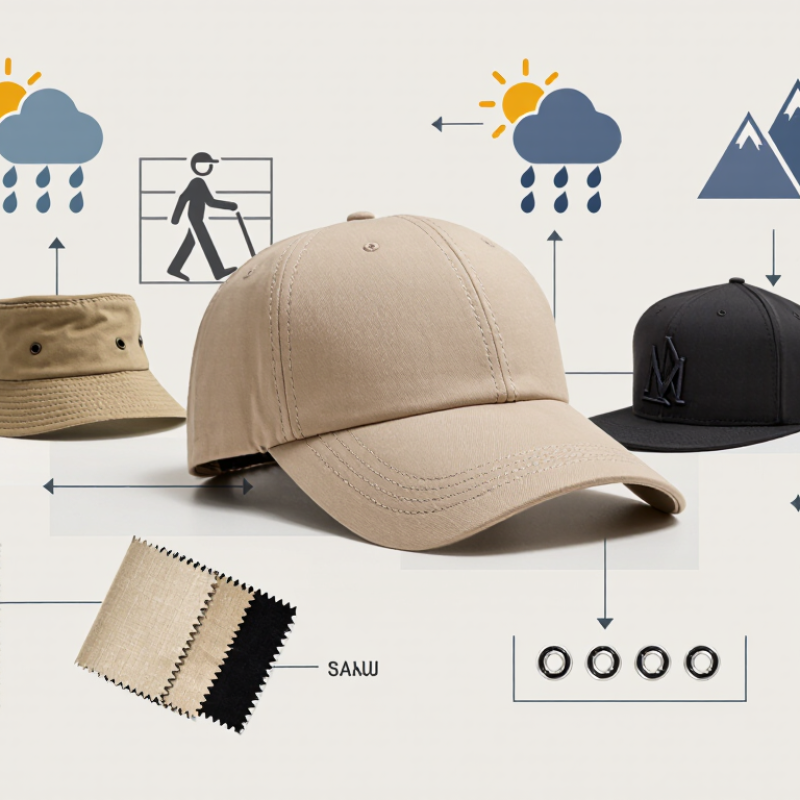
Leading casual hats serve different daily needs, from commuting to weekend travel. Baseball caps remain strong because their curved brims reduce glare and suit casual uniforms. Cotton twill offers softness, while recycled polyester dries faster after light rain. Bucket hats provide wider shade and a relaxed silhouette. They work well for outdoor markets, festivals, and resort settings. Knit beanies support cooler climates and compact packing. According to Grand View Research’s 2024 report, the global headwear market was valued at approximately US$20.6 billion in 2023. The report also forecasts around 6.5% annual growth through 2030. These figures show demand, but they do not guarantee every style will sell equally.

Tips: Match the hat to the buyer’s climate, activity, and storage habits. Test sweatbands, stitching, and brim recovery before placing larger orders. For global distribution, adjustable closures reduce sizing problems. Neutral colors often travel better, though seasonal shades can create stronger local appeal. Material claims should be checked through supplier documents, not assumptions.

In my sourcing experience, comfort usually beats decoration after repeated wear. A cap may look attractive under showroom lighting, then feel heavy outdoors. That risk is easy to miss. The 2024 Textile Exchange Materials Market Report also highlights growing attention toward recycled fibers and material traceability. Buyers should request fiber composition, colorfastness results, and packaging details. Small defects become expensive across thousands of units. A practical trial order remains imperfect, but it reveals real customer behavior faster than a spreadsheet.

What Are the Top Casual Style Hats for Global Buyers?

Leading casual hat styles are compared by the everyday occasions they commonly serve. A value of 1 indicates that the style is commonly suitable for the listed use.

Baseball caps offer the broadest everyday versatility, while beanies are strongest for cool-weather use. Bucket hats and boonie hats are especially practical for travel and outdoor activities.

Materials, Shapes, and Comfort Across Different Climates

What Are the Top Casual Style Hats for Global Buyers?

Casual hats must balance material, shape, and comfort in real daily conditions. Lightweight cotton and linen suit warm, dry weather. Linen feels cool, but it can crease quickly. In hot, humid regions, moisture-wicking polyester may dry faster after light rain. Some buyers dislike its warmer hand feel. That small detail matters during long outdoor wear.

Cooler climates need different construction. Soft wool blends provide warmth without making the hat look overly formal. Fleece-lined panels can help, but they may feel uncomfortable indoors. A tight weave can reduce wind exposure. However, warmth often reduces breathability. The trade-off is real.

Low-profile caps work well for cycling and travel. Curved brims offer useful shade without excessive weight. Wide brims provide more sun protection, especially in bright coastal areas. Yet a stiff crown can pressure the forehead. Shape should follow use, not fashion alone.

For global purchasing, request material samples and actual measurement charts.

Check seam finishing, sweatband softness, and closure adjustment. Do not rely only on product photographs. Test hats after several hours, if possible. A breathable hat may lose shape sooner. A structured hat may survive packing better. I would also compare color stability after washing and strong sunlight. Small production differences can affect comfort. That is easy to overlook. Reliable sourcing requires clear care instructions, climate testing, and honest communication about limitations.

Matching Hat Designs with Regional Buyer Preferences

Regional buyer preferences strongly influence which casual hats perform well. In North America, adjustable baseball caps remain practical for commuting, travel, and outdoor weekends. Cotton twill feels familiar, while curved brims create a relaxed profile. European buyers often prefer cleaner shapes, muted colors, and smaller logos. A six-panel cap with a structured crown can suit urban wardrobes without looking overly sporty.

East Asian markets may favor lighter construction, neat stitching, and compact proportions. Soft bucket hats work well for seasonal styling, especially in breathable cotton or nylon. In warmer regions, buyers often examine ventilation, sweatbands, and quick-drying fabrics before appearance. Wide-brim casual hats can attract interest in coastal and tropical markets, but excessive stiffness may reduce comfort. Small details matter.

Preferences are not fixed. My early assumption was that neutral colors would sell everywhere, but local sampling challenged it. Some younger buyers wanted washed green, orange, or blue. Regional testing should compare brim width, crown height, fabric weight, and adjustment methods. Suppliers can send small batches before larger production. Ask buyers how the hat feels after two hours, not only how it looks online. Fit complaints often appear later. Seasonal weather, hair volume, and common hairstyles also affect repeat orders. A design that works in one city may feel impractical nearby. That gap deserves attention.

What Are the Top Casual Style Hats for Global Buyers? - Matching Hat Designs with Regional Buyer Preferences

Regional Buyer Market Typical Climate and Usage Context Preferred Casual Hat Designs High-Value Functional Features Common Material Direction Frequent Color Preferences Indicative Buyer Priority
North America Varied climates; strong demand for everyday outdoor wear, travel, sports, and weekend styling. Structured baseball caps, five-panel caps, trucker-style caps, and relaxed bucket hats. Adjustable closure, breathable back panels, curved brim, sweatband, and easy-care construction. Cotton twill, cotton-polyester blends, mesh panels, washed canvas, and lightweight recycled fibers. Black, navy, khaki, white, olive, and seasonal muted colors. Versatility: 5/5
Western Europe Moderate and changeable weather; casual accessories are often integrated with urban, travel, and minimalist wardrobes. Unstructured caps, compact bucket hats, short-brim casual hats, and understated five-panel designs. Clean branding areas, water-resistant finishes, packability, refined trims, and comfortable low-profile crowns. Organic cotton, brushed cotton, linen blends, wool blends for cooler seasons, and recycled polyester. Black, stone, navy, charcoal, beige, forest green, and natural ecru. Design simplicity: 5/5
East Asia Urban commuting, sun protection, seasonal rain, and fashion-conscious casual styling are important purchase contexts. Low-profile baseball caps, nylon sport caps, bucket hats, visor caps, and compact packable styles. Lightweight construction, UV-protective fabric, moisture management, adjustable sizing, and neat proportions. Nylon, polyester performance fabric, cotton twill, ripstop, and lightweight blended textiles. Black, white, navy, gray, pastel shades, and carefully coordinated seasonal colors. Comfort and finish: 5/5
Southeast Asia Hot, humid, and frequently rainy conditions; hats are commonly used for sun protection, commuting, and outdoor leisure. Breathable baseball caps, wide-brim bucket hats, foldable sun hats, and lightweight visor caps. Quick-drying fabric, ventilation eyelets, sweat-wicking sweatbands, UV protection, and water resistance. Quick-dry polyester, nylon, mesh, lightweight cotton, and moisture-resistant blended fabrics. White, beige, navy, black, light gray, and bright seasonal colors. Breathability: 5/5
Australia and New Zealand High sun exposure, beach activities, hiking, travel, and outdoor recreation shape everyday hat demand. Wide-brim casual hats, adventure bucket hats, ventilated caps, and relaxed canvas hats. Broad sun coverage, UPF-rated fabric, chin cords, wind resistance, ventilation, and durable stitching. Waxed or treated cotton, canvas, breathable nylon, recycled polyester, and lightweight woven fibers. Sand, olive, navy, tan, rust, black, and natural earth tones. Sun protection: 5/5
Middle East Strong sunlight and hot conditions; outdoor travel, daily sun protection, and modest casual styling influence purchases. Wide-brim sun hats, breathable bucket hats, lightweight caps, and structured casual hats. High UV protection, generous brim coverage, airflow, sweat management, and secure adjustable fit. Lightweight cotton, linen blends, breathable polyester, technical nylon, and woven natural fibers. White, sand, cream, beige, olive, navy, and other light-reflective neutrals. Coverage and cooling: 5/5
Latin America Warm climates, urban commuting, social occasions, sport, beach use, and outdoor work create diverse casual demand. Curved-brim baseball caps, trucker-style caps, bucket hats, straw-look hats, and sporty visors. Breathable panels, adjustable closures, colorfastness, durable brim construction, and easy maintenance. Cotton twill, polyester mesh, canvas, straw-look synthetic fibers, and cotton-polyester blends. Black, white, navy, denim blue, beige, red, green, and vivid accent colors. Style variety: 4/5
Africa Many markets have warm or sunny conditions; demand varies by climate, urban lifestyle, travel, sport, and outdoor work. Breathable caps, wide-brim sun hats, bucket hats, safari-inspired casual hats, and lightweight visors. Sun coverage, ventilation, durable construction, adjustable sizing, sweat absorption, and easy cleaning. Cotton, canvas, lightweight polyester, mesh, linen blends, and locally inspired woven materials. Khaki, beige, black, navy, olive, white, and bold regional color accents. Durability and protection: 5/5

Note: The regional patterns above are practical merchandising guidelines based on climate, common outdoor activities, and established casual-wear preferences. Actual demand can vary by country, season, age group, retail channel, and price segment.

Comparing Quality, Pricing, and Global Sourcing Options

Casual hats remain popular with global buyers because they are practical, easy to customize, and suitable for many age groups. Cotton baseball caps offer everyday comfort, while bucket hats provide broader sun coverage. Five-panel caps look cleaner for streetwear collections. Trucker styles can reduce cost, but mesh quality varies widely. Fit matters more than many buyers expect.

In sourcing projects, I check fabric weight, seam density, sweatband softness, and colorfastness before comparing quotations. A low price may hide thinner fabric, weaker stitching, or expensive packaging. Ask for a physical sample. Photos are not enough. Buyers should also compare minimum order quantities, sample charges, production time, and shipping terms. Landed cost gives a more realistic pricing picture than factory price alone.

Global suppliers may offer different strengths. Some provide flexible small batches, while others deliver stable bulk production and broader material choices. Independent inspection can verify measurements, carton counts, and workmanship before shipment.

Still, no checklist removes every risk. I once underestimated how much embroidery affected delivery time. That mistake changed my order planning. Buyers should leave room for revisions, seasonal freight changes, and imperfect first samples. A reliable sourcing decision balances quality, total cost, communication, and repeatability.