
inquiry
Inquiry
Form loading...

China Top 10 African Dashiki Suits Suppliers?

China has become a significant sourcing base for African Dashiki Suits, serving boutiques, cultural retailers, event planners, and online fashion brands. Its suppliers offer printed cotton, rayon blends, embroidered panels, and coordinated accessories. Yet low prices alone do not guarantee dependable quality.

This guide examines ten Chinese suppliers through practical purchasing criteria. We will consider fabric weight, colorfastness, stitching, size consistency, customization, minimum order quantities, sampling, and export experience. A strong supplier should provide clear product photos, detailed measurements, production timelines, and responsive communication. Small details matter. Check the collar shape. Inspect the hemline. Wash the sample before ordering.

African fashion designer Lisa Folawiyo has said, “I am interested in the conversation between tradition and modernity.” Her observation explains why African Dashiki Suits require more than bright patterns. They should respect cultural identity while meeting contemporary expectations for comfort, durability, and fit.

This ranking is useful, but it is not perfect. Supplier catalogs change, factories may use trading companies, and online images can hide uneven stitching. Buyers should verify business licenses, request recent samples, and confirm fabric composition before making a large order. Ethical sourcing also deserves attention, including fair labor expectations and transparent production records.

The following overview highlights ten potential Chinese suppliers and explains where each may fit. Some may suit wholesale buyers. Others may serve smaller custom orders. Careful comparison remains essential.
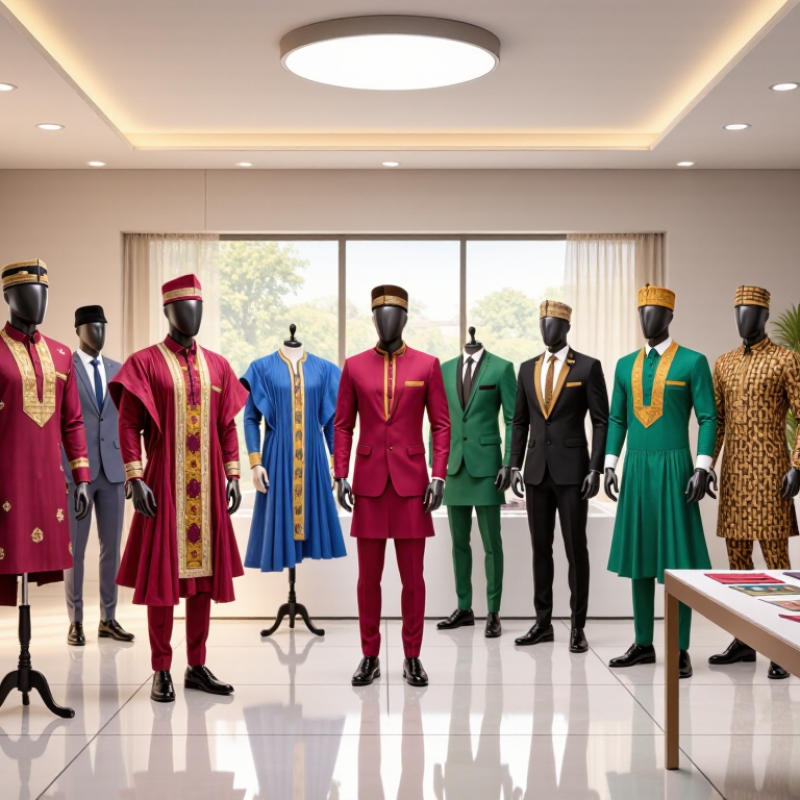
China Top 10 African Dashiki Suits Suppliers?

What Are African Dashiki Suits and Who Typically Wears Them?

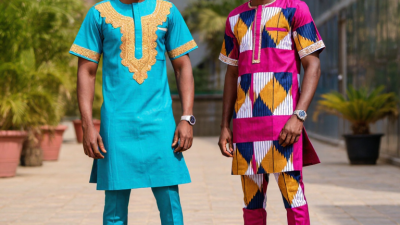
A dashiki is a loose-fitting African-inspired tunic, usually recognized by its wide shape, bold geometric prints, and embroidered neckline. Its forms vary across West Africa and the wider diaspora. It is not one fixed national costume. The word is often linked with Yoruba clothing traditions, while modern dashiki styles developed through several African and African American cultural movements.

People wear dashikis at cultural festivals, weddings, religious gatherings, graduations, and everyday social events. African diaspora communities may choose them to express heritage, pride, or family identity. Designers, performers, and travelers also wear them, but context matters. A colorful print alone does not prove African origin. I have seen garments described as “authentic” when their fabric, cut, and history were unclear.

Market data shows why material knowledge matters. Textile Exchange’s Materials Market Report 2024 estimates global fiber production reached about 124 million tonnes in 2023. A dashiki supplier should therefore explain whether the garment uses cotton, rayon, recycled fibers, or blends. UNCTAD’s Creative Economy Outlook 2022 reported over 500 billion dollars in global creative-goods exports in 2020. That figure includes cultural products, not dashikis specifically, but it shows the economic scale surrounding creative design. Buyers should check stitching, colorfastness, sizing, and production details. Cultural meaning deserves equal attention.
Why China Has Become a Major Dashiki Suit Manufacturing Hub

China Top 10 African Dashiki Suits Suppliers?

China has become a major Dashiki suit manufacturing hub through scale, supplier depth, and flexible production. China Customs reported approximately US$323 billion in textile and apparel exports in 2022. This figure shows the industry’s broad capacity, although it does not measure Dashiki suits specifically. Fabric mills, dyeing facilities, printing workshops, and tailoring factories often operate within connected regional supply chains. Buyers can therefore request cotton blends, vivid geometric prints, adjustable sizing, and small design changes without rebuilding the entire process.

The China National Textile and Apparel Council highlights digital printing, automated cutting, and faster sample development as important industry trends. These tools help suppliers reproduce detailed African-inspired patterns with better consistency. However, manufacturing speed can hide quality differences. A low quoted price may reflect lighter fabric, weaker stitching, or limited inspection. My practical view is less perfect: production efficiency is strong, but cultural accuracy and fabric comfort still require close buyer involvement. Shipping distance also affects delivery time and inventory planning.

Tips: Request fabric GSM, shrinkage results, colorfastness records, and pre-production samples. Compare measurements after washing. Ask for an independent factory audit when order value is significant. ITC Trade Map and WTO trade statistics can help verify broader textile-export capacity, but they cannot prove every supplier’s reliability. Use those reports as evidence, not as a substitute for physical samples and written quality controls.

How to Evaluate China’s Top 10 Dashiki Suit Suppliers

Evaluating China’s top ten African dashiki suit suppliers requires more than comparing catalog prices. I would begin with fabric, pattern accuracy, and production evidence. Ask each supplier for recent sample photos, measurement charts, and a small paid sample. Check collar symmetry, sleeve length, seam density, and color bleeding after washing. A beautiful first sample can still fail after repeated laundering.

China’s scale matters, but it should not replace verification. The WTO World Trade Statistical Review 2024 records China’s 14.2% share of global merchandise exports in 2023. That capacity can support competitive pricing and stable production. However, UN Comtrade does not provide a dedicated dashiki-suit code; these products often appear within broader apparel categories. Therefore, trade statistics are useful context, not proof of supplier quality.

Use a practical scorecard: samples and workmanship, 30%; quality-control records, 25%; communication and documentation, 20%; lead-time reliability, 15%; price, 10%. Request fabric composition, colorfastness results, packaging details, and factory inspection evidence. ISO certificates should be checked for scope and validity. I would also compare the same design across all ten suppliers. My scoring model is not perfect. A supplier may perform well on samples but struggle during peak season. Confirm capacity with production photos, weekly updates, and a written replacement policy before placing a larger order.

Profiles of China’s Top 10 African Dashiki Suit Suppliers

China’s leading African Dashiki suit suppliers differ in fabric control, tailoring, and export experience. A cotton-focused workshop suits buyers seeking breathable sets for warm climates. Its team checks print alignment by hand, although small color variations may appear between batches. A polyester specialist offers brighter patterns and easier care, but buyers should test fabric comfort before ordering. Another supplier combines Dashiki panels with structured blazers, using reinforced shoulders and hidden inner stitching. This option fits ceremonies and formal cultural events. A fourth factory supports small trial orders, making it useful for emerging retailers. Its size range is flexible, though custom measurements can extend production time. A larger manufacturer provides private-label packaging and bulk production. Independent inspection remains wise.

A Guangzhou-based tailoring house focuses on matching shirts, trousers, and dresses within one pattern collection. Its sample room can adjust sleeve length and neckline depth quickly. One supplier specializes in hand-finished embroidery, adding texture around collars and cuffs. The workmanship is attractive, yet embroidery increases unit cost and production time. Another factory uses digital printing for sharper geometric motifs and repeatable colors. Buyers should request wash-test results before confirming a large order. A supplier with strong export documentation helps coordinate invoices, carton marks, and shipping records. However, communication quality may depend on the assigned sales representative. One family-run workshop offers careful fitting advice and direct factory contact. It may lack the capacity for urgent seasonal demand. The final profile is a high-volume producer with automated cutting equipment. It offers consistency, but its minimum order quantity may challenge smaller buyers.

China Top 10 African Dashiki Suits Suppliers? - Profiles of China’s Top 10 African Dashiki Suit Suppliers
Profile Primary Sourcing Hub Supplier Type Typical Product Scope Common Fabric Options Customization Capability Order Suitability Key Verification Points
Supplier Profile 01 Guangzhou, Guangdong Export-oriented garment manufacturer Men’s and unisex dashiki shirts, two-piece suits, tunics Wax-print cotton, polyester blends, cotton twill Print placement, sizing, labels, packaging and color matching Wholesale and private label Confirm factory registration, sample quality, size chart and pre-shipment inspection process
Supplier Profile 02 Shaoxing, Zhejiang Textile-integrated apparel supplier Dashiki suits, African-print shirts, coordinated trousers and accessories Wax-print textiles, printed rayon, cotton-poplin fabrics Fabric selection, custom patterns, garment construction and branded packaging Fabric-led collections Request fabric composition, colorfastness information and production sample approval
Supplier Profile 03 Keqiao, Shaoxing, Zhejiang Fabric wholesaler with garment production partners Made-to-order dashiki jackets, suits, robes and matching sets Printed cotton, polyester wax-look fabric, jacquard and satin Pattern development, fabric sourcing and small-batch customization Flexible assortments Verify whether cutting and sewing are performed in-house or outsourced
Supplier Profile 04 Foshan, Guangdong Fashion apparel OEM/ODM supplier Contemporary dashiki suits, formal African-inspired sets and fashion separates Cotton blends, linen blends, rayon and lightweight suiting fabrics Tech-pack development, pattern adjustment, embroidery and trim selection Design-focused orders Check pattern-making capability, stitching consistency and tolerance standards
Supplier Profile 05 Yiwu, Zhejiang Wholesale trading and small-order sourcing supplier Ready-made dashiki tops, trousers, children’s sets and accessories Polyester prints, cotton blends and lightweight rayon Basic logo labels, assortment selection and retail packaging Small wholesale quantities Confirm stock availability, actual warehouse location and replenishment lead time
Supplier Profile 06 Shijiazhuang, Hebei Textile and apparel production supplier Traditional dashiki shirts, long tunics, kaftan-style suits and robes Cotton, cotton-polyester blends, printed viscose and woven fabrics Custom sizing, embroidery, necklines, sleeve styles and packaging Bulk uniform-style programs Request fabric test reports, production capacity details and workmanship references
Supplier Profile 07 Hangzhou, Zhejiang Online-export apparel supplier Modern dashiki suits, coordinated fashion sets and seasonal collections Rayon, cotton, polyester and blended fashion fabrics Digital sampling, size grading, care labels and e-commerce packaging Online retail brands Validate product photography against physical samples and confirm return-quality procedures
Supplier Profile 08 Nantong, Jiangsu Cut-and-sew apparel factory Men’s dashiki suits, relaxed-fit sets, shirts and trousers Woven cotton, linen blends, polyester blends and twill Pattern grading, size runs, custom sewing details and carton packing Structured bulk production Review sewing-line capacity, inspection checkpoints and carton-loading specifications
Supplier Profile 09 Qingdao, Shandong Export apparel manufacturer African-print suits, ceremonial outfits, shirts and matching accessories Cotton wax prints, polyester blends, satin and textured woven fabrics Custom measurements, embroidery, woven labels and export carton markings International shipments Confirm export documentation, packing list accuracy and third-party inspection options
Supplier Profile 10 Dongguan, Guangdong Private-label fashion manufacturer Premium dashiki suits, limited collections, jackets and coordinated separates Premium cotton, jacquard, rayon, linen blends and decorative fabrics Full OEM/ODM service, custom patterns, embroidery, labels and presentation packaging Brand-building projects Evaluate sample-room quality, intellectual-property handling and production approval controls
Buyer note: These profiles represent common Chinese sourcing and manufacturing structures for African dashiki suits. Supplier rankings, certifications, minimum order quantities, prices and production lead times should be independently verified before placing an order.

Key Factors for Comparing Quality, Pricing, and Customization Options

Comparing China’s top ten African dashiki suit suppliers requires more than checking photographs and factory claims. Request a physical sample with clear stitching, even seams, and accurate sizing. Examine fabric weight, colorfastness, shrinkage, and print alignment after washing. Cotton blends may feel smooth, while heavier fabrics often hold structure better. Small flaws matter.

Pricing should be compared line by line. Ask whether quotes include sampling, pattern development, packaging, and export delivery. Check minimum order quantities and payment stages carefully. A low price can hide weak fabric or expensive revisions. Ask for a written production timeline. Delays can affect seasonal sales. It happens.

Customization separates capable suppliers from ordinary ones. Discuss print scale, color references, sleeve shape, collar design, and trouser measurements. Provide a detailed measurement chart, not only a reference image. Confirm whether custom labels, folding methods, and individual packaging are available. Some suppliers accept simple adjustments but struggle with complex artwork. Request a pre-production sample before approving bulk manufacturing. Keep all specifications in one document, including fabric composition and acceptable measurement tolerance. I may still overlook a minor detail, especially when several designs are ordered together. A small test order can reveal communication gaps, inconsistent sizing, and finishing problems before a larger commitment. Supplier reliability also depends on sample response time, inspection records, and willingness to correct defects. Clear evidence is more useful than confident promises.

China Top 10 African Dashiki Suits Suppliers? Key Factors for Comparing Quality, Pricing, and Customization Options

This chart presents a practical procurement-weighting model for comparing African dashiki suit suppliers in China. Product quality and customization receive the highest weights because fabric performance, print durability, sizing accuracy, and design flexibility directly affect retail value and customer satisfaction.

The percentages represent suggested evaluation weights for supplier screening, not company-specific performance data. Buyers should verify samples, fabric composition, colorfastness, minimum order quantity, production lead time, and landed cost before placing an order.