Top 10 Tips for Logo Printing on Clothes for Your Business?
When it comes to promoting your business, logo printing on clothes is a game-changer. A well-designed logo can enhance brand visibility and foster customer loyalty. Yet, achieving an effective logo print is not as straightforward as it seems. Many entrepreneurs make common missteps.
Choosing the right fabric and print technique is crucial. High-quality materials enhance the overall look, while poor choices can diminish your brand’s image. It’s tempting to prioritize cost, but investing in quality pays off in the long term. Additionally, the logo's placement matters significantly; a poorly placed logo can overshadow the design or appear awkward.
Understanding your audience is key. Their preferences guide decisions about color and style. Sometimes, feedback is overlooked. Misalignment between the logo design and customer expectations can lead to poor reception. Reflecting on these aspects ensures that your logo printing on clothes truly represents your brand. Success involves more than just printing; it's about creating a memorable and appealing brand story.

Understanding Different Printing Techniques for Logos
When it comes to logo printing on clothes, choosing the right technique is critical.
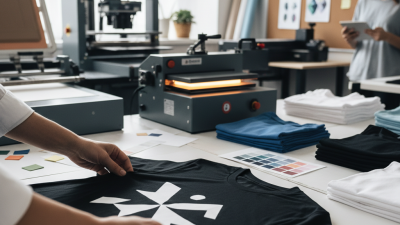
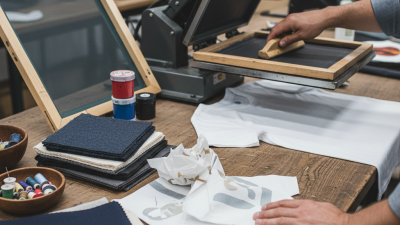
Screen printing is a popular choice for its durability and vibrant colors. This method involves pushing ink through a stencil onto the fabric. It works well for simple designs but can be limited with complex graphics. On the other hand, digital printing offers greater detail and allows for intricate designs.
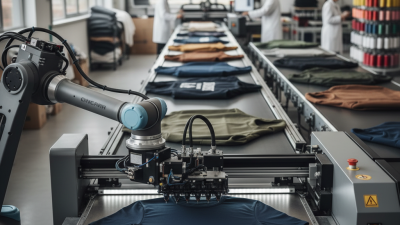
It uses inkjet technology to print directly onto the fabric. While digital printing achieves high-quality results, it may not be as long-lasting as screen printing.
Another technique to consider is heat transfer. This process involves applying heat to transfer a design from a special paper onto the fabric. Heat transfer can produce good results for small runs, but it may not withstand repeated washings. Each method has its pros and cons. It’s essential to reflect on what aligns best with your brand values and goals.
Consider the fabric type and the expected lifespan of the clothing items. Your choice will influence how the logo is perceived. Take time to evaluate the quality of each printing method before making a decision.
Choosing the Right Fabric for Your Printed Logo
Choosing the right fabric for printed logos is crucial for achieving a professional look. Different fabrics interact with inks differently, impacting the final appearance. For instance, cotton is a popular choice. It absorbs ink well and offers vibrant colors. According to the Fabric Association, 70% of branded clothing uses cotton as a primary material.
However, polyester is another strong contender. Its moisture-wicking properties make it ideal for athletic wear. Studies show that 80% of sports apparel is made from polyester. This fabric holds prints exceptionally well and resists fading. A potential downside with synthetic fabrics is their tendency to feel different against the skin compared to natural fibers.
Additionally, consider blends, like cotton-polyester mixes. They combine the best of both worlds. These blends can balance comfort with durability. Yet, over time, some blends may lack the brightness that pure cotton provides. The choice of fabric affects not just aesthetics but also the longevity of the print. Always sample your chosen materials with prints before committing to large orders for your business.
Selecting the Best Colors for Logo Visibility and Appeal
Choosing the right colors for your logo is crucial for visibility. Bright, bold colors grab attention quickly. They can evoke emotions and convey your brand's personality. For instance, red can signify excitement, while blue often represents trust and reliability. When selecting colors, consider your target audience. Different demographics respond to colors differently, so you want to resonate with them.
A common challenge is maintaining visibility against various fabric backgrounds. A color that looks great on-screen may not translate well to clothing. Test your color combinations before finalizing your design. Use mockups to see how they appear on actual fabrics. Also, consider how various lighting conditions affect color perception. It's often surprising how much light changes the way colors are seen.
Don't forget about contrast. High contrast can significantly improve logo visibility, especially from a distance. If your logo has multiple colors, ensure they complement rather than clash. At times, less is more. A simple design can be memorable and effective. Remember, your logo is a reflection of your brand, so take the time to get it right.
Top 10 Tips for Logo Printing on Clothes for Your Business? - Selecting the Best Colors for Logo Visibility and Appeal
| Tip No. |
Tip |
Recommended Color Combinations |
Visibility Rating (1-10) |
| 1 |
Use High Contrast Colors |
Dark Blue on Yellow |
10 |
| 2 |
Limit the Color Palette |
Black and White |
9 |
| 3 |
Incorporate Brand Colors |
Red and White |
8 |
| 4 |
Choose the Right Fabric Color |
Navy on Gray |
9 |
| 5 |
Maintain Simplicity |
Teal on White |
7 |
| 6 |
Consider Psychological Effects of Colors |
Blue and Orange |
8 |
| 7 |
Test Logo Visibility |
White on Black |
10 |
| 8 |
Choose Colors Based on Target Audience |
Pastel Colors for Youth |
6 |
| 9 |
Utilize Color Trends |
Millennial Pink on Cream |
7 |
| 10 |
Get Professional Advice |
Consultation |
N/A |
Designing a Logo That Works Well in Various Sizes and Formats
Designing a logo that works well in various sizes and formats is crucial for any business. A logo should remain recognizable whether it’s on a small clothing tag or a large banner. Start with a simple design. Overly detailed logos can lose clarity when resized. Think about bold colors and clean lines. These elements enhance visibility and ensure that your logo stands out.
Consider how your logo will look when printed on different materials. Cotton, polyester, and blends have varying textures that can affect perception. Vector graphics are a smart choice. They can be scaled up or down without losing quality. Test your design in various applications; this can reveal potential flaws. A logo that looks good on screen may not print well.
Reflect on the adaptability of your logo. It should convey your brand message in every context. Sometimes, a design may seem perfect but can feel off on clothing. Create mock-ups to see how it performs across clothing types. Be open to iteration; refining your logo can lead to unexpected improvements. Listening to feedback during this process is key to success.
Tips for Maintaining Logo Quality on Clothing Over Time
Maintaining the quality of logos on clothing is crucial for any business that prioritizes brand identity. Research indicates that up to 80% of consumers make purchasing decisions based on visual branding. A well-printed logo is essential for recognition and customer loyalty. However, many businesses overlook the importance of fabric type when planning their logo prints. Cotton, for example, absorbs ink differently than polyester, affecting durability.
To ensure logo longevity, it is vital to select the right printing method. Techniques like screen printing and heat transfer each have unique advantages and disadvantages. Screen printing offers vibrant colors but can fade over time with excessive washing. Meanwhile, heat transfers may peel or crack if not treated properly. Data from industry experts suggest using a hybrid approach can yield the best results. This combines methods and allows for adaptability based on fabric choice.
Caring for printed clothing plays a major role in logo preservation. Experts recommend cold washing and hanging to dry to extend the lifespan of printed designs. Despite these measures, some businesses still face fading or cracking. These issues can stem from improper application or low-quality inks. Addressing these factors early can prevent costly reprints and ensure that your logo continues to resonate with customers over time.