What Is Ladies Fashion and How to Source It?
Ladies Fashion covers the clothing, footwear, and accessories designed for women’s everyday lives and special occasions. It includes cotton shirts, tailored trousers, knit dresses, handbags, shoes, and seasonal collections. The category is broad, but customer expectations are specific. A shopper may notice a sleeve length, fabric weight, button finish, or uncomfortable seam within seconds. Good sourcing begins with understanding these details, not simply choosing attractive images.
Reliable sourcing requires practical research and careful supplier evaluation. Buyers should compare fabric samples, size charts, production capacity, minimum order quantities, and delivery timelines. A factory’s certifications, workplace standards, and quality-control process also deserve attention. Requesting a sample before placing a larger order can reveal shrinkage, color bleeding, weak stitching, or poor fitting. Small tests matter. Clear product specifications reduce confusion between buyers and suppliers. They should cover fiber content, measurements, packaging, labeling, and acceptable defects. Legal requirements may differ by market, so professional advice and current regulatory checks are valuable. Ethical production is not just a marketing phrase; it affects brand trust and long-term relationships. Still, no sourcing plan is flawless. Samples may perform differently in bulk production, and popular trends can fade unexpectedly. Experienced buyers leave room for inspection, communication, and adjustment. This guide explores how Ladies Fashion is defined, where it can be sourced, and which decisions support consistent quality, responsible business, and customer confidence.
What Ladies Fashion Means and What It Includes
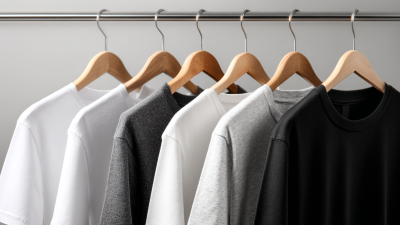
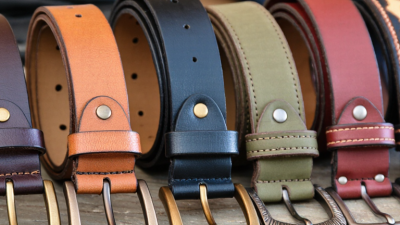
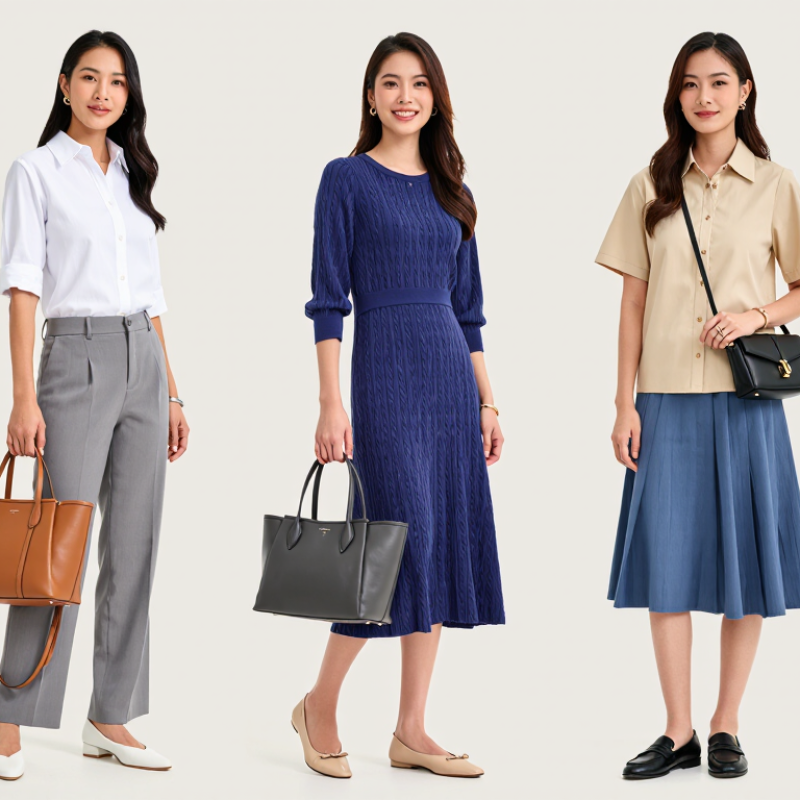
Ladies fashion means more than clothing designed for women. It combines fit, function, appearance, comfort, and cultural expression. The category includes dresses, blouses, trousers, skirts, knitwear, coats, denim, underwear, sleepwear, activewear, and occasion clothing. Accessories often belong to the same buying decision, including handbags, scarves, belts, hosiery, and fashion jewellery. A soft cotton shirt feels different from a structured polyester jacket. That physical difference matters.
According to McKinsey and The Business of Fashion’s State of Fashion 2025, the global fashion market is expected to achieve low-single-digit growth. This suggests cautious purchasing, not unlimited demand. Euromonitor International also tracks women’s apparel as a major global retail category, covering everyday wear, formal clothing, and specialist segments. These reports show why ladies fashion should be divided by use, season, price, size, and fabric rather than treated as one product group.
In practical sourcing, I examine a garment’s measurements, stitching, fabric weight, colour fastness, care label, and packaging. A sample may look attractive under showroom lights but feel heavy after ten minutes of wear. That is easy to miss. Supplier communication should confirm size grading, minimum order quantities, lead times, testing documents, and defect handling. Responsible sourcing also considers traceability and safer material choices. Yet a report cannot replace touch. Real customers may reject a perfect-looking item because the sleeve twists, the waist gaps, or the fabric attracts lint. That uncomfortable feedback deserves attention.
How Ladies Fashion Has Developed Across Styles and Markets
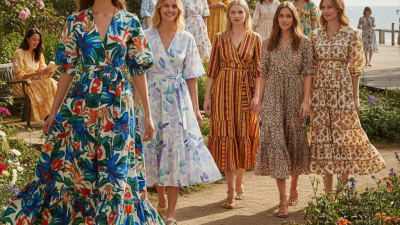
Ladies fashion has developed from fixed seasonal wardrobes into a conversation between culture, climate, and commerce. Earlier markets often favored practical silhouettes shaped by local customs and daily routines. Today, one collection may combine relaxed tailoring, soft knitwear, festive details, and everyday basics. The change appears in shop windows: breathable fabrics for warm streets, padded layers for colder commutes, and adjustable waists for varied body shapes. Style travels quickly, but it rarely arrives unchanged.
For buyers, sourcing means examining more than trend reports. I check fabric weight, seam strength, color consistency, and size measurements before approving samples. A reliable supplier should explain fiber content, production capacity, lead times, and quality controls clearly. Market research also matters. A lightweight dress may sell well in one region but feel unsuitable elsewhere. Customer reviews reveal practical details, such as transparent fabric or sleeves that limit movement. These comments are valuable evidence.
Digital shopping has widened access, while local makers still influence fit and finishing. Buyers now compare comfort, durability, price, and production responsibility. Yet the market remains imperfect. Trend data can exaggerate demand, and a beautiful sample may fail after repeated washing. I have learned to test fewer assumptions. Small wear tests, honest size feedback, and clear product records often outperform dramatic forecasts. Fashion development is not a straight line. It is constant adjustment.
Where to Source Ladies Fashion and How the Process Works
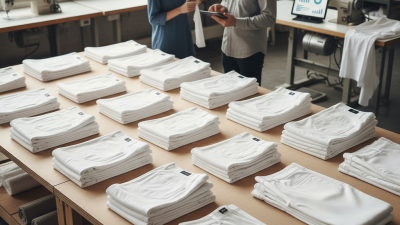
Sourcing ladies fashion starts with a clear product brief, not a random supplier list. Define the customer, target price, fabric feel, size range, and delivery window. Then compare manufacturers through verified directories, trade fairs, and professional sourcing platforms. The process should include capability checks, factory documentation, sample development, costing, and a small trial order. Samples matter. Photos can hide poor stitching.
Supplier evaluation needs evidence. Request recent audit records, material certificates, production capacity, and references from comparable orders. The Textile Exchange Materials Market Report 2024 states that global fiber production reached 124 million tonnes in 2023 and may reach 160 million tonnes by 2030. This growth makes material traceability more important, especially when choosing recycled or lower-impact fabrics. A practical buyer should confirm certificate scope, not accept a logo alone.
Cost is only one part of the decision.
Add sampling fees, testing, packaging, freight, duties, and possible defects to the landed cost. The McKinsey State of Fashion 2025 report describes a cautious market shaped by value-conscious shoppers and unstable demand. Smaller initial orders can reduce inventory risk, though suppliers may charge more per unit. That trade-off is real. I once treated a low quote as a win; later, inconsistent measurements created avoidable rework. A written specification, approved sample, inspection plan, and payment milestones provide stronger control. Keep records of every change. Mistakes still happen. The sourcing process should make them visible early.
How to Evaluate Suppliers, Quality, Pricing, and Ethical Standards
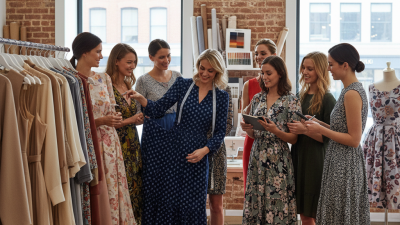
When sourcing ladies fashion, supplier evaluation should begin with evidence, not attractive catalog images. Request business registration, production capacity, sample timelines, and references from comparable buyers. A factory tour, even by video, can reveal crowded workspaces, unclear storage, or inconsistent finishing. Ask who makes the garments. Written answers matter.
Confirm measurements, fabric composition, colorfastness, seam strength, and shrinkage through samples. I compare at least two production batches because one excellent sample can mislead. Check stitching near zippers, button security, lining behavior, and wash-test results. A low price may hide weaker fabric, rushed labor, or expensive rework. Pricing should include materials, labor, packaging, shipping terms, inspection, and possible alterations. I prefer transparent quotations over the cheapest offers.
Ethical standards require specific questions about wages, working hours, waste handling, and subcontracting. Request current audit documents, but do not treat paperwork as permanent proof. Use practical inspections, protect worker safety, and trace higher-risk materials where possible. Suppliers should explain corrective actions when defects appear. Trust takes time. I have sometimes overpaid for polished communication, so I now measure delivered quality, not promises. Even careful sourcing has gaps, and those gaps deserve regular review.