Top Tips for Sourcing White Label Pants Efficiently?
In the rapidly evolving fashion industry, sourcing "White Label Pants" has become increasingly strategic. According to a recent report by Market Research Future, the white label apparel market is expected to grow by 10% annually. This growth highlights the demand for customizable, high-quality clothing options that brands can easily adopt. As brands seek to differentiate themselves, efficient sourcing of these products is crucial.
Industry expert Jane Smith, who has over a decade of experience in supply chain management, emphasizes the importance of partnership. She states, "Building strong relationships with suppliers is key to success in sourcing white label products." Businesses must focus on reliable suppliers. Without accountability, the risks increase. Not every supplier is trustworthy, and poor quality can damage a brand’s reputation.
Effective sourcing is not without its challenges. Many companies struggle with finding the right balance between cost and quality. As more competitors enter the market, the pressure intensifies. The path of sourcing “White Label Pants” requires careful consideration and a strategic approach to overcome these hurdles. Ultimately, those who continuously refine their sourcing processes will stay ahead in this competitive landscape.

Understanding White Label Pants and Their Market Demand
Understanding White Label Pants and Their Market Demand
White label pants have gained popularity due to their versatility and cost-effectiveness. Retailers can brand these pants as their own, tapping into various market segments. As consumer demand for unique styles increases, the need for reliable sourcing has become critical.
When sourcing white label pants, consider your target audience. Identify their preferences in style and fabric. This will help you choose products that resonate more with your customers. Conducting market research can reveal trends and guide your selections.
One effective tip is to establish strong relationships with manufacturers. Open communication ensures quality and timely delivery. Always ask for samples before committing to larger orders. This can prevent potential issues later. It's also wise to explore multiple suppliers. This diversifies your options and protects your supply chain.
Pricing is another important factor. Know your budget constraints, but don’t compromise on quality. Sometimes, lower-priced products can lead to higher returns due to poor customer satisfaction. Balancing cost and quality is key.
In a market constantly changing, flexibility is crucial. Stay updated with fashion trends and consumer feedback. Adapt your sourcing strategy as needed to remain competitive.
Market Demand for White Label Pants by Category
Identifying Reliable Suppliers for White Label Clothing
Sourcing reliable suppliers for white label clothing can be challenging yet rewarding. To identify trustworthy manufacturers, it's crucial to focus on quality and dependability. Look for suppliers with a strong reputation in the industry. Reviews and testimonials can offer insight into their reliability. Reach out to businesses that have previously worked with them. Their experiences will help gauge potential issues.
Consider visiting trade shows or industry events. Personal interactions can reveal a lot about a supplier's professionalism. You can inspect product samples and discuss your needs directly. This face-to-face communication often leads to better terms and understanding.
When evaluating suppliers, ask about their production capabilities. Ensure they can meet your demands in terms of quality and quantity. Additionally, request their certifications. It reflects their adherence to industry standards. A supplier with clear communication and transparency about their processes typically indicates reliability. Explore multiple options before making your final selection.
Evaluating Quality Standards in White Label Manufacturing
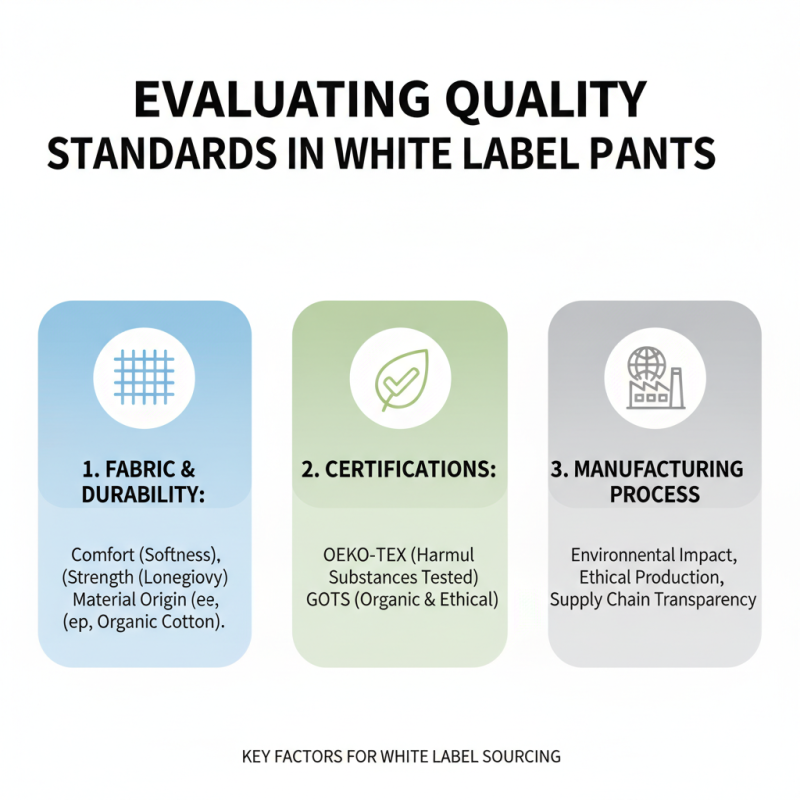
When sourcing white label pants, evaluating quality standards is crucial. The fabric should feel comfortable on the skin, and you must verify its durability. Consider the origin of the materials used. Organic cotton is often a desirable choice. Certifications can indicate quality. Look for OEKO-TEX or GOTS certified fabrics. These labels inform you about the manufacturing process and environmental impact.
Beyond fabric, examine stitching and construction. Quality stitching ensures longevity. A poorly stitched seam may lead to tears and dissatisfaction. Ask for samples before making larger orders. It's essential to envision the final product and test its fit. Sometimes, perceived quality differs from actual experience. Be prepared for adjustments and refinements. Remember, your reputation relies on the quality of the product you provide to your customers. Seek feedback from your target audience for insights on design and comfort. Continuous improvement is key in the competitive fashion market.
Negotiating Pricing and Terms for Wholesale Purchases
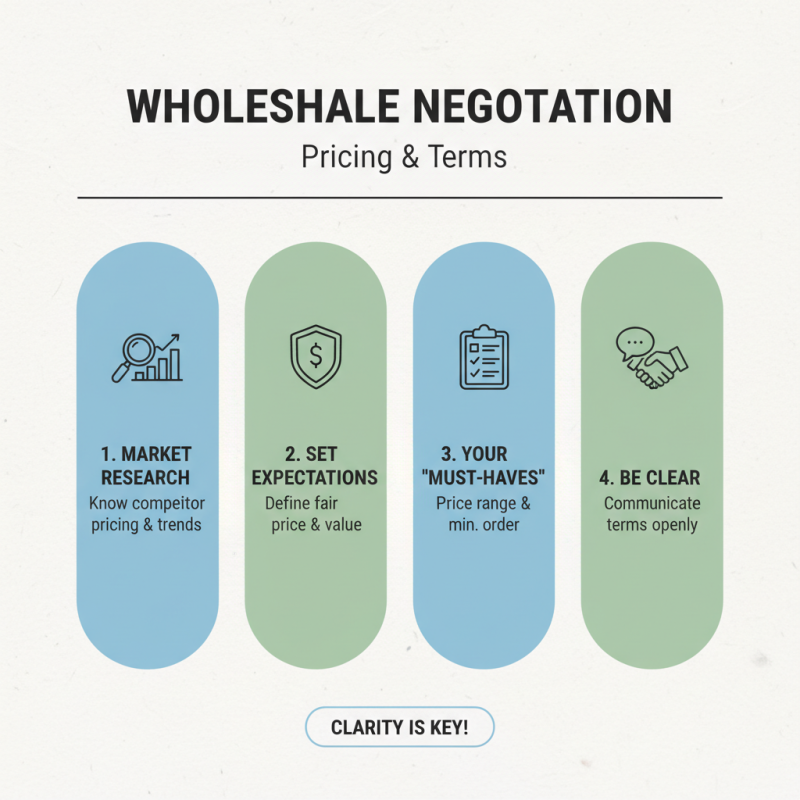
When negotiating pricing and terms for wholesale purchases, clarity is key. Start with a well-researched understanding of the market. Assess the pricing structures of similar items. This information helps in setting your expectations. Create a list of your must-haves, including price ranges and order quantities.
During negotiations, be direct yet flexible. Suppliers appreciate a concrete offer but value open communication too. If a supplier seems hesitant about your price, inquire about their constraints. Learn about their minimum order requirements and potential for discounts. Sometimes, a small adjustment in order size can lead to better pricing.
Reflect on your negotiation strategy regularly. Did you miss opportunities for added value? Perhaps you didn’t ask about payment terms. These details can significantly affect your bottom line. Building a solid relationship with suppliers takes time but is a worthwhile investment. Understanding each party's perspective fosters stronger partnerships.
Strategies for Efficient Logistics and Inventory Management
Efficient logistics and inventory management play a critical role in sourcing white label pants. According to a recent industry report, 70% of companies experience stockouts due to poor inventory practices. This often leads to lost sales and frustrated customers. To combat this, companies can leverage data analytics for better demand forecasting. By analyzing sales data, they can anticipate trends and adjust inventory levels accordingly.
Adopting just-in-time inventory strategies can also optimize logistics. This approach minimizes excess stock and reduces storage costs. However, it requires reliable suppliers. A study found that 60% of businesses struggle with supplier reliability, which can disrupt operations. Regular communication and building strong relationships with suppliers are essential for overcoming these challenges. Flexibility in logistics can also be beneficial, allowing companies to adapt to unexpected changes in demand.
Failing to monitor inventory turnover can lead to obsolescence. Reports indicate that about 30% of unsold stock becomes outdated within six months. Setting clear KPIs for inventory turnover can help identify issues early. Companies should reflect on their inventory strategies regularly. Small adjustments can lead to significant improvements in efficiency and customer satisfaction.
Top Tips for Sourcing White Label Pants Efficiently
| Sourcing Strategy |
Key Considerations |
Logistics Tips |
Inventory Management |
| Direct from Manufacturers |
Evaluate production capacity and lead time. |
Arrange for bulk shipping to reduce costs. |
Implement a Just-In-Time (JIT) inventory system. |
| Multi-Source Procurement |
Diversify supplier base to mitigate risks. |
Use third-party logistics for efficiency. |
Monitor stock levels consistently for reorder points. |
| Online Marketplaces |
Verify supplier credibility and customer reviews. |
Consolidate shipments to minimize shipping fees. |
Utilize inventory management software for tracking. |
| Local Sourcing |
Reduce lead times and carbon footprint. |
Negotiate better terms and faster deliveries. |
Use a FIFO (First In, First Out) method for fast-moving items. |