Sourcing Retro Style Belts can give a store a distinctive look, especially when customers seek accessories with visible character. However, attractive designs alone do not guarantee reliable sales. Buyers must examine materials, stitching, buckle quality, sizing, and supplier consistency before placing larger orders. A belt may look excellent under studio lighting yet feel stiff, smell strongly, or lose its finish after limited use.
Experienced retailers usually begin with a focused product direction. This might include western buckles, woven elastic designs, aged leather appearances, or colorful 1970s-inspired patterns. Small test orders reveal more than polished catalog images. Request physical samples and inspect the edges, holes, belt loops, and packaging. Measure every size carefully, because “one size fits most” often creates avoidable returns. Supplier communication matters too. Ask about material composition, production timelines, defect policies, and customization options. Written specifications create a clearer record than casual promises.
Trust should develop gradually. Compare several suppliers, verify business details, and review independent customer feedback where available. Ethical sourcing also deserves attention, including accurate material descriptions and responsible production claims. Do not overstate a belt’s age, origin, or composition. Customers notice inconsistencies.
Some sourcing decisions remain imperfect. Trend forecasts can miss. A bold buckle may attract attention but sell slowly. That is useful evidence, not failure. Track customer reactions, return reasons, and repeat purchases. Then refine the assortment with patience. The strongest approach balances nostalgic design, dependable quality, transparent supplier relationships, and realistic store pricing. Retro appeal opens the conversation; consistent value keeps customers returning.
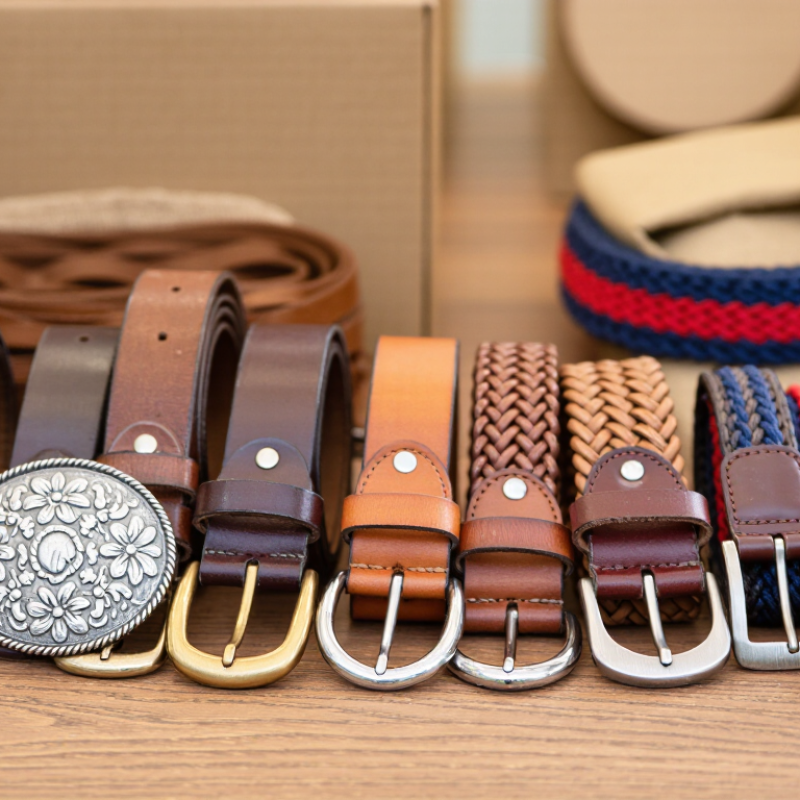
Retro style belts sit between fashion accessory, costume detail, and practical wardrobe staple.
The market includes 1950s-inspired narrow belts, 1970s wide leather designs, Western-influenced shapes, and playful pieces with oversized buckles. Materials range from full-grain leather and suede to recycled synthetics. Color matters: oxblood, tan, cream, black, and metallic finishes are easy to merchandise across seasons.
Value matters more now.
The ThredUp 2025 Resale Report projects the global secondhand apparel market will reach 367 billion dollars by 2029. That growth supports demand for vintage-looking accessories with durable construction and a believable used character.
However, “retro” is not one customer group. Younger shoppers may want statement belts for social content and festival outfits. Vintage enthusiasts often inspect stitching, patina, buckle shape, and historical accuracy. Value-focused customers usually prefer versatile widths, adjustable sizing, and lower prices.
Small details decide the sale.
McKinsey and The Business of Fashion’s State of Fashion 2025 highlights continuing consumer caution and stronger value expectations. Store buyers should test each segment separately.
A useful range might include subtle everyday belts, bold collectible styles, and affordable trend-led options.
Do not rely only on nostalgia. Some customers want the look, not the history. That distinction can be easy to miss.
Evaluate return reasons, size requests, and sell-through by style before expanding orders. Even experienced buyers can confuse visual excitement with lasting demand.
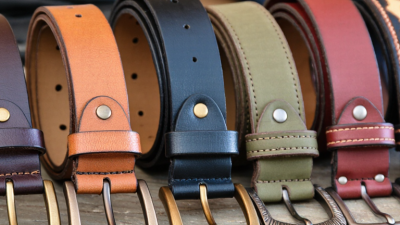
Authentic retro belts begin with materials that age naturally. Full-grain leather develops uneven patina, visible pores, and a softer edge over time. Look closely. Split leather may feel smooth, but it often lacks depth and firmness. Canvas, suede, and woven cotton can also create convincing vintage character when their textures remain consistent. Ask suppliers about material composition, thickness, tanning methods, and care requirements. Reliable suppliers should provide clear sample photos and physical samples, not vague descriptions.
Design details reveal more than a distressed surface. Examine buckle shapes, pin construction, edge finishing, belt width, and hole spacing. Rounded metal buckles suggest different eras than flat, brushed hardware. Hand-finished edges may show slight variation, which can support an authentic appearance. However, excessive irregularity may indicate poor production. I once accepted a belt with attractive scratches, but the buckle coating failed during testing.
The lesson was simple: visual appeal needs practical verification.
Request several samples before placing a larger order. Check stitching tension, leather flexibility, odor, color consistency, and attachment strength. Wear-test each belt with denim, wool, and lighter clothing. Some retro designs look excellent but feel uncomfortable after an hour. Ask for production records, quality-control procedures, and replacement policies. Compare supplier claims with the actual sample. Imperfections can add character, but they should never hide weak materials or unreliable construction. Retro style works best when history-inspired details meet dependable everyday use.
Sourcing retro style belts starts with comparing suppliers, manufacturers, and wholesale channels carefully. I usually request samples before discussing large orders. A sample reveals stitching quality, buckle weight, edge finishing, and material consistency. Measure the belt at several points. Small width differences can affect customer comfort and sizing accuracy. Ask suppliers about material composition, plating methods, color stability, and production tolerances. Reliable partners answer clearly and provide written specifications.
Manufacturers can offer better customization, but minimum order quantities may be higher. Wholesale suppliers often provide faster delivery and mixed designs. That flexibility helps when testing a new collection. Review their lead times, payment terms, packaging standards, and replacement policies. Request recent production photos, inspection records, and relevant product documents. A video call can also reveal whether the workshop appears organized and active. My first shortlist focused too much on price. That was a mistake. The cheapest quote did not include individual packaging or defect replacements.
Use at least two sourcing channels before choosing a supplier. Compare sample costs, shipping times, defect rates, and communication speed. Keep every promise in a written purchase agreement. Confirm buckle dimensions, belt length ranges, color names, carton quantities, and inspection timing. For small stores, a smaller trial order reduces inventory pressure. However, low volume may increase unit costs. Review customer feedback after launch, especially comments about peeling, loose buckles, or inaccurate sizing. Some assumptions will be wrong. Adjust the next order using actual sales and return data.
How to Source Retro Style Belts for Your Store?
Check Product Quality, Pricing, Minimum Orders, and Customization Options
A retro style belt should feel substantial before it reaches your sales floor. I inspect the strap edge, stitching tension, buckle finish, and hole spacing. Full-grain leather usually develops character, while coated materials offer easier price control. Ask for material specifications, thickness measurements, and colorfastness results. Rub a sample with a dry cloth. Check the result.
Pricing needs more than a factory quote. Calculate sampling fees, packaging, freight, duties, and possible inspection costs. A low unit price may hide expensive shipping or weak hardware. Request a tiered quotation for several order quantities. I also compare the cost per sellable piece after defects. My first estimate is rarely perfect.
Minimum order quantities can shape the entire buying decision. Confirm whether the quantity applies to each color, size, or buckle design. Smaller trial orders reduce inventory risk, but they may raise the unit cost. Ask about reorder quantities and production lead times. Customization might include strap length, buckle shape, embossing, edge paint, labels, or packaging. Approve a physical sample before mass production. A digital image cannot show stiffness or surface texture accurately. I once trusted a screen color and received a warmer brown than expected. That mistake still influences my sampling process. Get every specification in writing.
| Sourcing Dimension | Recommended Specification | Typical Wholesale Benchmark | What to Check Before Ordering | Practical Store Decision |
|---|---|---|---|---|
| Material Leather Quality |
Full-grain or top-grain leather for premium collections; split leather or bonded leather for lower-priced ranges. | Full-grain and top-grain belts generally command a higher wholesale cost than bonded or synthetic alternatives. | Request a material specification, close-up photos of the grain, edge finishing details, and a physical sample. Confirm whether the surface is coated or corrected. | Use genuine leather for premium positioning and synthetic materials for trend-led, entry-level products. |
| Construction Thickness and Stitching |
Common fashion-belt thickness: approximately 2.5–4.0 mm. Reinforced stitching should be even and securely locked. | Thicker leather, folded edges, double stitching, and reinforced buckle attachments usually increase unit cost. | Measure the sample with a caliper, inspect stitch density, pull the buckle firmly, and check for loose threads or uneven edges. | Choose heavier construction for daily-wear belts and lighter construction for costume or seasonal styles. |
| Hardware Buckle and Rivets |
Zinc alloy, brass, stainless steel, or coated metal hardware with a secure buckle pin and smooth contact surfaces. | Antique brass, brushed metal, engraved, or custom-shaped hardware usually costs more than standard polished hardware. | Check plating consistency, corrosion resistance, sharp edges, buckle movement, rivet strength, and color matching across the production sample. | Use antique or brushed finishes to support retro styling, but avoid finishes that rub off during normal handling. |
| Sizing Length Range |
Offer multiple waist sizes and measure from the buckle fold to the center hole. A five-hole layout is widely used. | Many fashion belts use approximately 2.5 cm spacing between holes, although exact specifications vary by supplier and design. | Confirm the measurement method, hole spacing, total length, belt width, and tolerance. Test the belt on the intended target customer profile. | Stock the most common sizes first and add extended sizes if your customer data shows consistent demand. |
| Wholesale Cost Target Pricing |
Set a target landed cost that includes the belt, packaging, freight, duties, inspection, and payment fees. | Indicative wholesale price ranges are often about US$3–8 for basic synthetic styles, US$6–15 for standard genuine-leather styles, and US$12–30+ for premium or heavily customized styles. | Request a tiered quotation at several quantities and confirm whether packaging, samples, molds, logo setup, and freight are included. | Compare total landed cost rather than unit price alone, then set retail pricing according to material, workmanship, and positioning. |
| Minimum Order MOQ |
Negotiate separate quantities for standard designs, color variations, sizes, and custom hardware. | Ready-made styles may be available from approximately 50–200 pieces per design; custom materials or hardware often require 300–1,000+ pieces. | Ask whether the MOQ applies per color, size, buckle finish, or total order. Confirm the acceptable mix of sizes and colors. | Begin with standard designs or a mixed-size trial order before committing to custom tooling or large production quantities. |
| Customization Branding and Design |
Possible options include embossed marks, printed packaging, custom buckle shapes, special colors, edge paint, and unique hole layouts. | Simple embossing may have a lower setup cost; custom buckles, molds, and exclusive hardware typically require tooling fees and higher MOQs. | Request a digital artwork proof, physical sample, color reference, logo placement diagram, and written approval sample before bulk production. | Use subtle embossing or custom packaging for a lower-risk private-label launch; reserve custom hardware for proven sellers. |
| Color and Finish Retro Appearance |
Popular retro effects include distressed brown, oxblood, tan, black, antique brass, brushed silver, and contrast edge finishing. | Special finishing processes can add cost and may create batch-to-batch variation, especially with distressed or hand-finished surfaces. | Approve a master color sample, inspect rub resistance, compare multiple production pieces, and define acceptable variation in writing. | Keep a controlled palette of two to five colors to simplify inventory while maintaining a cohesive retro collection. |
| Quality Control Inspection Process |
Use pre-production approval, in-process checks, and final random inspection before shipment. | A practical inspection checklist should cover dimensions, material, stitching, buckle function, finish, packaging, and quantity accuracy. | Define acceptable defect limits, inspect representative cartons, photograph defects, and retain an approved reference sample. | Use third-party inspection for larger orders or when the supplier is new and the product has multiple custom details. |
| Lead Time Production Planning |
Allow additional time for sampling, material purchasing, custom hardware, production, inspection, and transportation. | Standard repeat orders commonly take about 15–30 days after approval; customized orders may require approximately 30–60 days or more. | Request a milestone schedule and confirm when the lead time begins. Check how holidays, material shortages, and rework are handled. | Place seasonal orders early and maintain buffer stock for best-selling sizes and colors. |
| Packaging Retail Readiness |
Options may include individual polybags, paper sleeves, hangtags, gift boxes, barcode labels, and recycled packaging materials. | Individual packaging increases handling and material costs but can reduce store preparation time and improve presentation. | Confirm package dimensions, label placement, barcode readability, carton quantity, moisture protection, and packaging durability. | Choose simple branded sleeves for everyday retail and upgraded boxes only for gift-oriented or premium collections. |
| Compliance Documentation |
Keep material declarations, restricted-substance information, packaging details, and destination-market documentation where applicable. | Documentation requirements vary by destination, material type, product claims, and whether the belt contains animal-derived materials. | Ask for accurate material composition and testing documents when required. Do not use unsupported claims such as “eco-friendly” or “genuine leather.” | Review import, labeling, chemical, and animal-material requirements for the specific markets where the belts will be sold. |
Note: Wholesale prices, MOQs, and lead times are indicative market benchmarks and vary according to material grade, order volume, customization, destination, and shipping terms. Always confirm final specifications with samples and a written quotation.
Retro-style belts can attract shoppers seeking texture, nostalgia, and distinctive details. The ThredUp 2024 Resale Report projects the global secondhand apparel market will reach $350 billion by 2028. That trend supports vintage-inspired accessories, but demand is not automatic. Test small batches first. Track color, buckle finish, width, and size returns by SKU.
Build inventory around usable measurements, not only visual appeal. Offer consistent hole spacing and clear waist-size guidance. Keep core colors deeper than seasonal shades. A black belt with brushed metal hardware can support repeat sales. The National Retail Federation reported that 16.9% of U.S. retail sales were returned in 2024. Poor sizing can quickly reduce margin. I would reserve part of the budget for replacements, packaging damage, and slow-moving sizes. My first forecast would probably be wrong.
Branding should make the product feel intentional. Use a simple hangtag with material details, care instructions, and a short design story. Avoid exaggerated claims such as “authentic vintage” unless the item is genuinely vintage. Product photos should show buckle scale, belt thickness, and edge finishing. Customers notice these details.
Compliance needs planning before production. In the United States, textile products generally require fiber content, country-of-origin, and responsible-party information under Federal Trade Commission rules. Leather goods may require additional material disclosures. For European sales, review the General Product Safety Regulation, effective from December 13, 2024. Keep supplier invoices, test records, and label approvals together. A spreadsheet is helpful, but it is not legal review. Check requirements with qualified local counsel before shipment.
A practical 100-unit opening assortment can balance core retro styles with material documentation, size coverage, and compliance checks before placing supplier orders.
This planning baseline assigns the largest share to versatile leather-look and canvas belts, while reserving inventory for statement buckles and vintage-inspired woven designs. Confirm fiber content, chemical safety documentation, country-of-origin marking, and size measurements with suppliers before production.