What Types of Elegant Style Necklaces Are Most Popular?
Elegant Style Necklaces remain popular because they add polish without overwhelming the wearer. Their appeal lies in proportion, craftsmanship, and personal meaning. A slim gold chain can brighten a white shirt, while a pearl pendant can soften a tailored black dress. Some designs whisper. Others deliberately command attention.
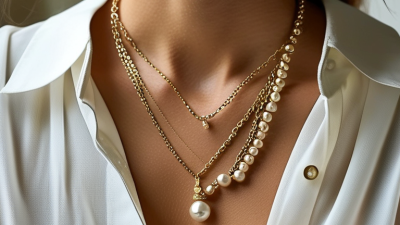
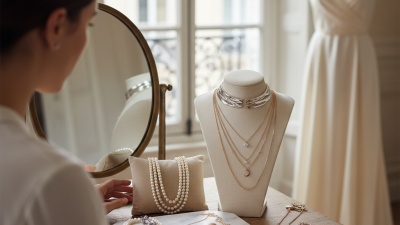
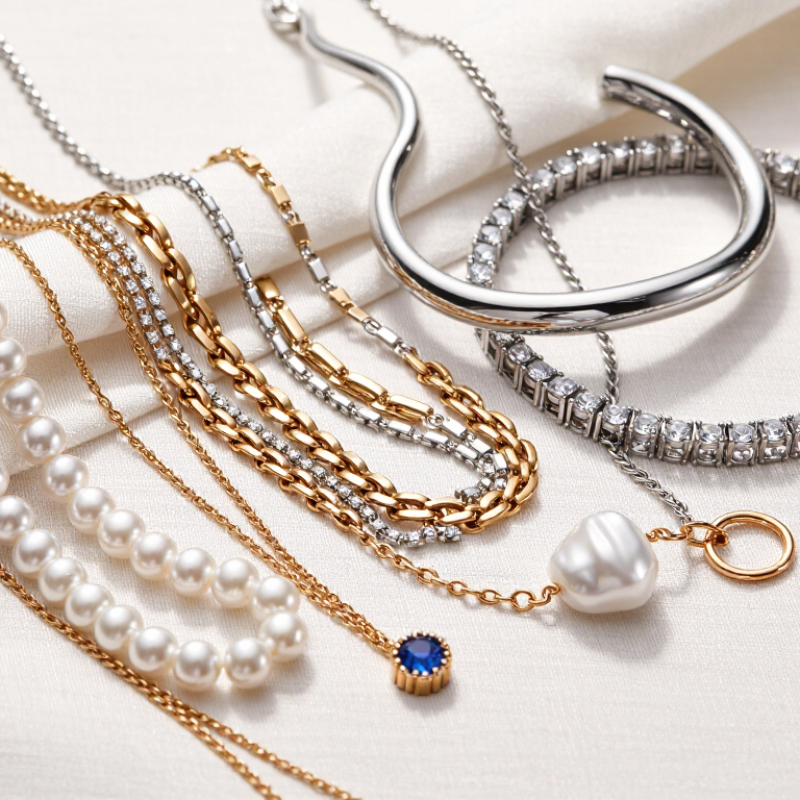
Maria Doulton, founder and editor of The Jewellery Editor, has said, “Jewellery is the ultimate expression of individuality.” This idea helps explain why no single necklace style dominates every wardrobe. Layered chains attract shoppers who enjoy movement and texture. Pendant necklaces remain practical because they frame the neckline naturally. Pearl necklaces continue to suggest refinement, especially when updated with irregular shapes or mixed metals. Tennis-style necklaces offer controlled sparkle, while sculptural collars suit people who prefer a stronger visual statement.
Materials matter, but they do not tell the entire story. Recycled gold, responsibly sourced gemstones, and durable clasps increasingly influence thoughtful purchases. A necklace should also feel comfortable after several hours, not only look impressive in a product photograph. That detail is easy to ignore.
Trends can mislead. A highly photographed style may not suit every neck length, skin tone, or daily routine. I have found that the most elegant choice is often less dramatic than expected. Still, personal taste changes, and yesterday’s “too simple” chain may become tomorrow’s favorite piece. This guide examines the most popular Elegant Style Necklaces, comparing their visual character, styling flexibility, and practical value for modern wearers.
Defining Elegant Style Necklaces and Their Key Features
What Types of Elegant Style Necklaces Are Most Popular?
Elegant style necklaces are defined less by price than by proportion, finish, and restraint. They usually feature clean lines, balanced symmetry, and details that support an outfit rather than dominate it. Popular forms include slim pendant necklaces, fine chain layers, short pearl strands, and understated collar designs. A pendant resting near the collarbone can sharpen a plain white shirt. A delicate chain can soften a structured blazer.
Material matters, but it is not the whole story. Smooth surfaces, secure clasps, consistent links, and comfortable weight signal careful construction. The Global Jewelry Market report by Grand View Research valued the sector at approximately 353 billion US dollars in 2023. McKinsey and The Business of Fashion also projected jewelry growth of about 5.6% to 6.8% annually through 2028. These figures suggest strong demand, although market growth does not prove that every minimalist necklace is elegant. That assumption needs more testing.
Tips:
Match necklace length with the neckline. Try a 40–45 centimeter chain with an open collar. Choose a small pendant for patterned clothing. For evening wear, use one brighter focal detail instead of several competing pieces. Check the clasp and chain edges against your skin. Comfort is often overlooked. I have found that an attractive necklace may still fail when it twists, catches on fabric, or feels too heavy. Personal taste remains imperfect, and elegance changes across cultures, occasions, and generations.
Classic Pendant Necklaces for Refined Everyday Wear
Classic pendant necklaces remain popular because they add polish without demanding attention. A small round stone, smooth disc, or single pearl can brighten a plain blouse and still suit a relaxed sweater. For refined everyday wear, proportion matters more than sparkle. A pendant between 10 and 18 millimeters often sits neatly near the collarbone. An 16-inch chain frames crew necks, while an 18-inch chain works better with open collars. In my fitting experience, a slim chain feels more versatile than a heavy one. Try it with your usual neckline. Do not overthink it.
Material choice affects comfort and long-term appearance. Sterling silver offers a cool finish, while 14-karat gold usually brings warmer contrast to the skin. Look for a secure clasp, smooth edges, and a pendant that does not twist easily. People with sensitive skin should check the metal composition before wearing a necklace all day. I once chose a pendant that looked elegant but felt too heavy after several hours. That small mistake changed how I judge daily jewelry. Lightweight designs are often easier to wear consistently. Wipe the chain with a soft cloth after use, especially after contact with perfume or lotion. Classic style can still feel personal through chain length, pendant shape, and subtle texture.
Pearl Necklaces as Timeless Symbols of Elegance
Pearl necklaces remain among the most recognizable symbols of elegant style.
Their soft luster works with silk, linen, and tailored wool. That restraint keeps them relevant across generations.
Grand View Research’s 2024 Pearl Jewelry Market analysis projects an annual growth rate of about 8% through 2030. McKinsey & Company’s State of Fashion: Watches and Jewellery 2024 also forecasts 4–6% yearly growth for the wider jewelry sector through 2028.
These figures suggest continued interest, not proof that every pearl design will succeed.
Quality begins beneath the shine.
A gemologist checks surface texture, nacre thickness, matching, and drill quality. Cultured pearls can be highly valuable, yet small blemishes remain normal. Perfect symmetry is not always the most convincing choice.
A practical everyday necklace often uses 6–7 millimeter pearls, while larger pearls create stronger evening drama. The strand should sit comfortably, without pulling at the clasp.
Pearls still breathe.
Care is equally important.
Put the necklace on after perfume, hairspray, and skincare products dry. Wipe it with a soft, damp cloth after wearing. Store it flat or in a breathable pouch, away from harder gemstones.
The GIA notes that pearls rank low on the Mohs hardness scale, making scratches a genuine concern.
Many owners overlook restringing. A frequently worn strand may need professional inspection every one or two years, depending on thread wear and knot security.
Insisting on flawless surfaces can also weaken personal style. Subtle irregularity often makes a pearl necklace feel more human.
Layered and Choker Necklaces in Modern Elegant Fashion
Layered and choker necklaces are among the most popular choices in modern elegant fashion. They create a polished neckline without making an outfit look overly formal. In my styling experience, a narrow choker works best as the visual anchor. Add a fine chain below it for gentle movement. A third pendant can add personality, but too many pieces may appear crowded.
For daytime elegance, try a smooth choker with two delicate chains of different lengths. The spacing helps each necklace remain visible. Pearls, small geometric pendants, and brushed metal details create texture without excessive shine. Mixing gold-tone and silver-tone pieces can look refined when one finish clearly dominates. I prefer adjustable clasps because they allow the layers to sit comfortably above different necklines. Check the edges, weight, and metal quality before wearing them for several hours.
Comfort matters.
For evening dressing, a velvet-textured choker can frame an open collar beautifully. Keep earrings simple so the necklace remains the focal point. I sometimes over-layer necklaces when preparing a dramatic outfit, and the result feels less elegant than expected. Removing one piece often improves the balance. Still, strict rules can limit personal style. The best combination should suit the wearer’s proportions, clothing, and comfort, not only current fashion advice. A slightly imperfect arrangement may even look more natural and memorable.
Choosing Elegant Necklaces by Occasion, Outfit, and Personal Style
Elegant necklaces work best when they respect the occasion.
For daytime meetings, choose a slim chain with a small pendant. It sits neatly above a crew neck or beneath an open collar. For weddings or evening dinners, a graduated pearl strand or a sculptural pendant adds controlled shine. Keep the neckline visible. A necklace should frame the face, not compete with it.
Personal style changes the choice. Minimalists often prefer one fine chain in a warm or cool metal. Romantic dressers may suit pearls, soft gemstones, or curved details. For tailored clothing, geometric lines create useful contrast. For a printed blouse, simpler jewelry usually looks more polished.
Grand View Research valued the global jewelry market at 353.26 billion dollars in 2023. Its report forecasts a 6.7% compound annual growth rate from 2024 to 2030. That growth supports wider variety, but it does not prove that every elegant necklace is widely preferred.
Fit still matters more than trend language. Measure the neckline and consider the pendant’s drop before purchasing. A 16-inch chain often rests near the collarbone, while longer styles create a softer vertical line. Check the clasp and weight, especially for all-day wear.
The World Gold Council reported strong consumer interest in gold jewelry during 2024, though its data covers jewelry broadly, not necklaces alone. That distinction matters. I sometimes favor a dramatic piece too quickly; a quieter necklace may suit the outfit better. Style is partly taste, and taste can be wrong.