How to Source Casual Style Hats in 2026?
Sourcing Casual Style Hats in 2026 requires more than following seasonal colors. Buyers must balance comfort, durability, cost, and responsible production. Casual designs now include unstructured baseball caps, soft bucket hats, cotton sun hats, and lightweight canvas styles. Each category serves a different customer and climate.
Start with the wearer.
A supplier should provide clear material details, size measurements, color references, and production samples. Check the stitching around the brim. Examine the sweatband after repeated wear. Small flaws often become expensive returns. Ask for factory information, minimum order quantities, lead times, and packaging details. Responsible sourcing also means reviewing labor standards, material claims, and product safety documentation. Certification can help, but it should not replace direct questions or sample testing.
Philip Treacy, the British milliner, once said, “A hat is a flag, a way of saying hello to the world.” That idea remains useful for casual buyers. A hat communicates lifestyle before the customer speaks. In 2026, shoppers may prefer neutral colors, recycled fabrics, adjustable closures, and quieter branding. Still, forecasts are not guarantees. Some predicted trends will fail. That is normal.
A practical sourcing plan should compare at least three suppliers. Request the same sample specifications from each one. Measure shape retention, color consistency, ventilation, and packaging quality. Consider smaller trial orders before committing to large volumes. This approach may feel slower. It can prevent rushed decisions and unwanted inventory.
The strongest Casual Style Hats programs combine visual appeal with evidence. They make the product easy to wear, easy to verify, and difficult to misunderstand.
Define Casual Hat Styles and Their 2026 Market Roles
How to Source Casual Style Hats in 2026?
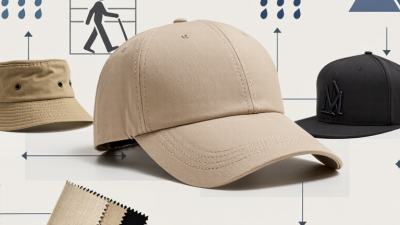
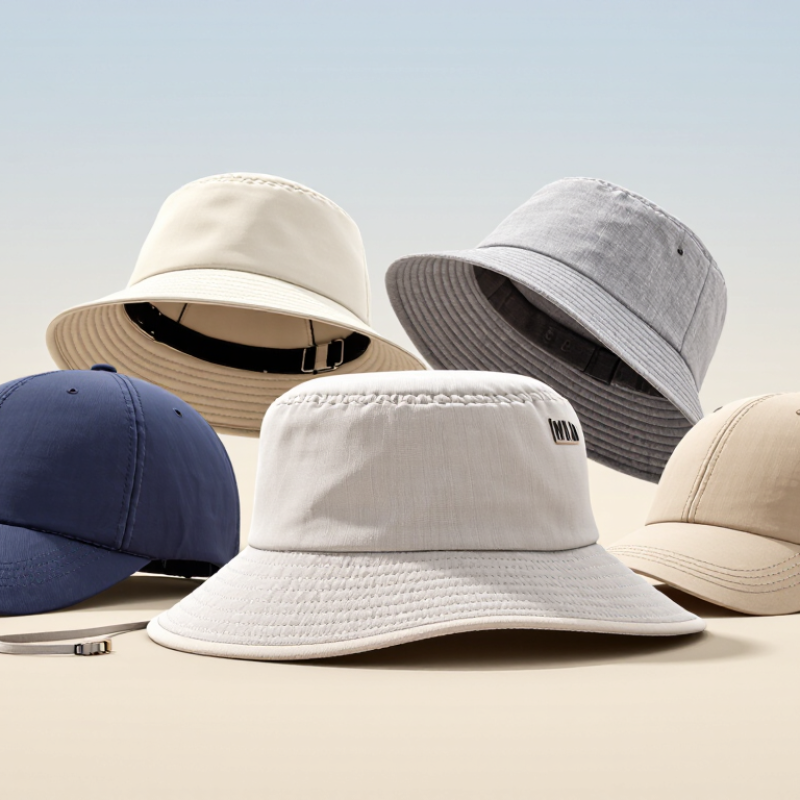
Casual hats in 2026 are defined by relaxed shapes, daily comfort, and flexible styling. Baseball caps remain practical, especially with curved brims, adjustable closures, and breathable cotton panels. Dad caps add a softer profile. Bucket hats offer sun coverage and a noticeable streetwear influence. Five-panel caps suit buyers seeking a cleaner, more technical appearance. Lightweight knit beanies serve cooler regions and transitional seasons.
Each style has a different market role. Baseball caps support large-volume everyday collections. Bucket hats attract younger shoppers who value visual identity and packable accessories. Five-panel caps fit outdoor, travel, and urban utility ranges. Beanies extend seasonal sales without requiring complex construction. In sourcing, I check crown height, seam strength, sweatband comfort, and colorfastness before discussing price. Small details matter. A stiff brim can ruin repeat purchases.
In 2026, casual hats also reflect practical concerns. Buyers increasingly request recycled fibers, low-impact dyes, and traceable production records. These claims need documentation, not attractive wording.
I would compare factory samples after washing, bending, and several hours of wear. Forecasts can still miss. A color that performs well online may move slowly in physical stores.
Regional climate, local styling habits, and price sensitivity deserve separate review. Some sourcing decisions remain imperfect, especially when trend speed conflicts with reliable quality.
Identify Target Customers, Uses, and Seasonal Demand
Casual hats in 2026 should be sourced around real customer habits, not vague fashion forecasts. Define the buyer before choosing colors, fabrics, or production quantities. Young commuters may prefer lightweight caps for cycling and daily travel. Outdoor families may need wider brims, adjustable closures, and quick-drying materials. Older customers often value comfort, clear sizing, and easy care.
Ask how each group uses the hat. Is it worn for commuting, weekend walks, travel, gardening, or casual social events? Short interviews and purchase data can reveal useful details. For example, customers may reject stiff panels after wearing them for several hours. They may also prefer darker sweatbands because light fabric shows marks quickly. Product testing should include sunlight, light rain, repeated adjustment, and washing. A simple wear diary can expose problems that studio photos hide.
Seasonal demand needs careful timing. Spring usually favors breathable cotton blends and softer colors. Summer requires ventilation, moisture control, and stronger sun coverage. Autumn buyers may choose textured fabrics and deeper shades. Winter demand can shift toward lined caps and warmer ear coverage. My first forecast was too optimistic because I counted online interest as confirmed demand. That mistake left excess stock. Small trial orders are safer than dramatic predictions. Still, weather patterns can change quickly, so flexibility matters. Local climate data, customer feedback, and weekly sales checks should guide replenishment decisions. Keep testing. Manufacturing is never perfectly predictable.
Evaluate Materials, Suppliers, and Manufacturing Standards
How to Source Casual Style Hats in 2026?
Evaluate Materials, Suppliers, and Manufacturing Standards
Casual hats need materials that feel comfortable after hours of wear. Cotton twill offers breathability and a familiar hand feel. Recycled polyester can improve shape retention and drying speed. Check fiber content, fabric weight, shrinkage, and colorfastness before approving production. A soft sweatband matters more than many buyers expect. It touches the skin continuously. Ask for physical samples, not only digital images. Lighting can hide uneven dyeing, weak embroidery, and rough seams.
A dependable supplier should explain where materials come from and how quality is checked. Request a sample history, production capacity, lead times, and inspection records. Confirm that the factory can repeat measurements across different batches. One good sample proves little. Factory visits or independent inspections can reveal crowded work areas, poor storage, or rushed finishing. I would also compare at least three suppliers, although this takes longer than expected. Cheap quotations often exclude packaging, testing, or corrective work.
Manufacturing standards should cover stitching strength, panel alignment, visor shape, sweat absorption, and color transfer. Use a written specification sheet with tolerances for every measurement. Pre-production approval should include washing and wear simulations. An acceptable quality limit can support consistent inspections, but it cannot replace judgment. Some defects remain technically acceptable yet look careless on a finished hat. That is where reviews must be honest. A small logo shift may not affect function, but customers will notice it quickly. Keep inspection photos and signed approvals for traceability.
Compare Pricing, Minimum Orders, and Customization Options
How to Source Casual Style Hats in 2026?
Casual hat sourcing begins with a realistic price target. Grand View Research valued the global hats and caps market at about $20.5 billion in 2023, with continued growth expected through 2030. This scale creates negotiating power, but small buyers still face higher unit costs. In recent supplier quotes, basic cotton caps often fall between $2.20 and $4.80 per unit before decoration. Recycled fabrics, metal adjusters, and structured panels can raise costs by 15–35%. Freight and packaging may add another 10–25%.
Minimum order quantities can change the decision quickly. Stock colors may require 50–100 pieces, while custom fabric colors often begin at 300–500 pieces. Full pattern development can require more. Ask for a landed-cost quotation, not only a factory price. Custom embroidery commonly adds $0.30–$1.20 per piece, depending on stitch count. Woven labels, laser patches, and printed linings carry separate setup fees. These details matter.
Customization should match demand evidence. Statista Market Insights tracks headwear revenue by region and channel, showing why a color popular online may perform poorly in another market. Request a pre-production sample. Check crown shape, brim recovery, sweatband stitching, and color under daylight. I have seen attractive samples fail because the closure felt weak. That risk is easy to underestimate. Order a small test batch when possible, even if the unit price looks less impressive. Supplier audits, material certificates, and consistent measurement records also support more reliable purchasing decisions.
How to Source Casual Style Hats in 2026?
Comparison of indicative wholesale pricing, minimum order quantities, and customization flexibility by sourcing route.
Small-batch makers generally offer the highest customization flexibility but at a higher unit cost. Specialized factories provide a balanced option for custom labels, embroidery, patches, and color development, while large-volume factories usually offer lower pricing and higher minimum orders. Figures are indicative 2026 wholesale benchmarks in USD and may vary by material, construction, decoration method, order volume, and shipping terms.
Verify Samples, Compliance, Logistics, and Supplier Reliability
How to Source Casual Style Hats in 2026?
Sourcing casual hats in 2026 starts with a physical sample, not a polished catalog image.
Check crown shape, brim recovery, stitching density, sweatband comfort, and color under daylight. Request two sample rounds. Measure shrinkage after washing. A hat that looks correct may still feel unstable on the head.
The State of Fashion 2025 report found that 39% of surveyed fashion executives viewed geopolitical instability as a major risk. Keep at least two qualified suppliers for critical materials, even when the second option costs slightly more.
Compliance must be documented before bulk production.
Ask for fiber composition, care labels, country-of-origin marking, and test reports for restricted substances. Depending on the destination, testing may cover lead, azo dyes, formaldehyde, and colorfastness. Confirm that the laboratory report matches the exact fabric, trims, and production site.
My practical warning is simple:
a recycled-fiber claim can fail when the certificate covers a different yarn. I have also seen sampling teams overlook metal ventilation eyelets.
Logistics needs measurable controls.
The World Bank’s Logistics Performance Index 2023 reported that international shipments spend about 44 days, or 60% of total trade time, moving through export and import processes. Build buffer time around port delays.
Use carton dimensions, gross weight, packing photos, and barcode records before dispatch. Track supplier performance monthly. A useful internal target is 95% on-time delivery and fewer than 2% defects. If a supplier avoids written corrective actions, reliability remains unproven.
Talk is cheap.