What Are Embroidered Polo Shirts and Why Buy Them?
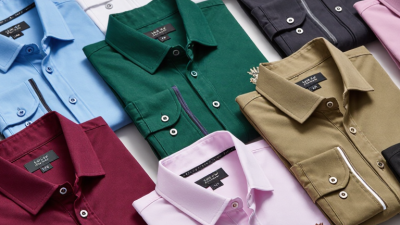
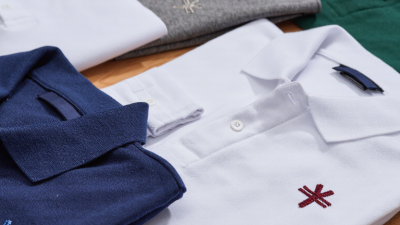
Embroidered Polo Shirts combine practical clothing with a visible brand message. Their stitched logos add texture, permanence, and a more considered appearance than many printed designs. A company emblem on the left chest can look restrained, while a larger sleeve mark may feel more promotional. The result depends on thread quality, garment weight, and production accuracy.
Embroidery educator Deborah Newton describes the craft this way: “Embroidery is drawing with a needle and thread.” That idea explains its appeal. Each stitch leaves a physical trace. You can feel the raised thread beneath your fingers, especially on a dense cotton piqué polo. For businesses, schools, clubs, and hospitality teams, this tactile detail can support a consistent and professional identity. It may also help uniforms look credible after repeated washing, although no decoration remains perfect forever.
Buying Embroidered Polo Shirts requires more thought than choosing a color and logo. The artwork should be simplified before digitizing. Tiny lettering often closes up. Heavy stitching can pull lightweight fabric and create puckering around the design. A good supplier tests thread tension, hoop placement, and wash durability before producing a larger order. Ask for a sample.
There is a practical weakness, too. Embroidery may cost more than basic printing, particularly for detailed artwork or small quantities. Yet the finish often feels more durable and premium. The best choice depends on use, budget, and how often the shirt will be worn. A polished logo cannot rescue an uncomfortable garment. Fit still matters.
Definition and Key Features of Embroidered Polo Shirts
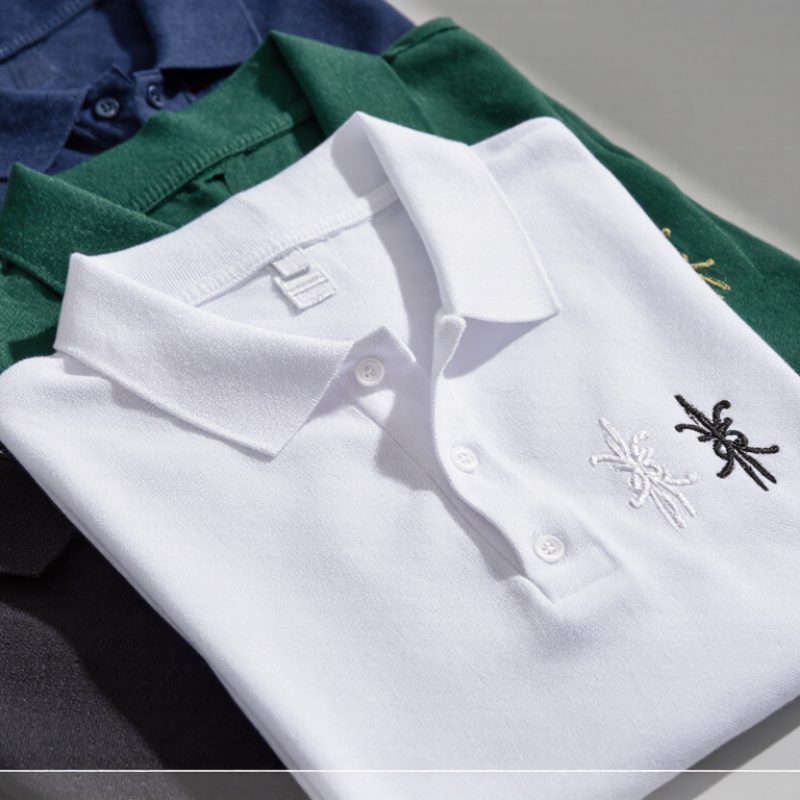
An embroidered polo shirt is a collared knit shirt decorated with stitched text, symbols, or artwork. The design is sewn directly into the fabric, rather than printed on its surface. This creates a raised texture that feels slightly firm under the fingertips. Most polo shirts use cotton, polyester, or a blended knit. Cotton feels breathable, while polyester often dries faster and keeps its shape during repeated wear.
The collar, cuffs, and button placket are key features. A structured collar helps the shirt look neat without feeling formal. Ribbed cuffs can hold the sleeves close to the arms. Quality embroidery depends on clean edges, balanced thread tension, and suitable stitch density. Dense stitching may look sharp, but it can make lightweight fabric feel heavy. Thin fabric can also pucker around the design. That detail is easy to miss.
Fit matters as much as decoration. Shoulder seams should sit near the natural shoulder line, and the hem should cover the waistband without hanging too low. During regular use, check whether the embroidery pulls after washing. Care labels should guide water temperature, drying, and ironing. Turning the shirt inside out can reduce friction on the stitched area. It is not a perfect solution. Some designs still soften or lose definition over time, especially when washed aggressively. A practical choice balances appearance, fabric comfort, stitch quality, and daily maintenance.
How Embroidery Is Designed and Applied to Polo Shirts
Embroidered polo shirts begin with a digital design, not a needle. A specialist converts artwork into stitch instructions called a digitized file. This process controls stitch direction, density, thread changes, and small details. Simple lettering usually works best on polo fabric. Very fine lines may close together after stitching. That is an easy mistake to miss on screen.
The shirt is then hooped with a stabilizing backing beneath the fabric. Proper hooping keeps the collar area smooth and prevents shifting. The machine builds the design layer by layer, often stitching outlines before filled sections. A test sew should happen before bulk production. It reveals puckering, uneven tension, or colors that look different from the original artwork. Placement matters too. A chest design may need adjustment for the wearer’s posture and the polo’s button placket.
Tips
Keep artwork bold and readable. Use fewer thread colors when possible. Request a physical sample, not only a digital preview. Check the fabric after washing, because embroidery can tighten slightly. Small text is risky. I would rather simplify a design than protect every tiny detail. That choice can feel imperfect, but it often produces a cleaner, longer-lasting result.
Common Fabrics, Styles, and Customization Options
Embroidered polo shirts combine everyday comfort with a more considered appearance. In my experience, cotton piqué remains a practical choice because its textured surface feels breathable and hides minor wrinkles. Combed cotton feels smoother, while polyester blends dry faster and hold their shape during repeated wear. A cotton-polyester mix can work well for uniforms, though it may feel warmer in humid weather. Fabric choice matters more than decoration.
Styles range from classic two-button polos to modern slim cuts and relaxed fits. Ribbed collars, reinforced cuffs, and side vents can improve comfort during movement. Embroidery adds texture through names, symbols, or simple artwork. Small chest designs often look balanced, while sleeve or back placement creates stronger visibility. Thread color should contrast with the fabric without appearing harsh. Detailed artwork may lose clarity when stitched too small. That limitation is easy to overlook.
Tips:
Wash a sample before ordering many shirts. Check shrinkage, thread tension, and color changes. Use fewer design details for cleaner stitching. Ask for a digital proof, but remember it cannot show fabric texture perfectly. I once preferred a dense design on paper, yet the finished stitching looked heavy on lightweight fabric. A test piece would have exposed that problem earlier. Choose a stable fabric, suitable fit, and embroidery size that match the shirt’s daily purpose.
How to Select and Care for the Right Embroidered Polo Shirt
An embroidered polo shirt combines a knitted collar, short sleeves, and stitched decoration. The embroidery can show a name, symbol, or simple pattern. Unlike printed designs, raised stitching adds texture and often keeps its appearance after repeated washing. It also makes small flaws more visible, so careful selection matters.
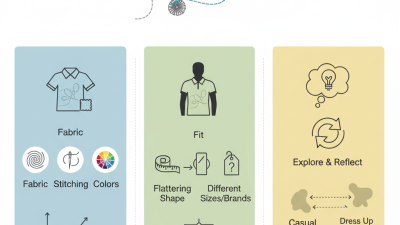
Start with the fabric and fit. Cotton feels breathable against the skin, while polyester dries faster during active work. A cotton blend may offer a practical balance. Check the shoulder seams and sleeve length before buying. The collar should lie flat, not curl after one try-on. Examine the embroidery from the inside. Loose threads, uneven lettering, or puckered fabric can indicate weak production. Small details matter.
Choose thread colors that contrast clearly with the polo. Dense designs may feel stiff, especially across the chest. I once preferred a large embroidered image, but it became uncomfortable under a jacket. A smaller design worked better. That mistake changed my selection habits.
Wash the shirt inside out in cool water with mild detergent. Avoid bleach, harsh softeners, and very hot cycles. They can weaken fibers and fade thread. Air-dry the polo on a hanger, away from strong sunlight. Do not pull loose threads. Trim them carefully with clean scissors. If ironing is necessary, place a thin cloth over the embroidery and use low heat. Direct pressure can flatten the stitches. Even careful care cannot repair poor embroidery.