Top 10 Types of Embroidered Polo Shirts for Global Buyers
Embroidered Polo Shirts remain a practical choice for global buyers seeking branded apparel with a more durable, textured finish. Unlike printed graphics, embroidery adds visible dimension to a collar, chest, sleeve, or corporate crest. The result can feel more premium, but quality depends on details that product photos often hide.
Industry data supports continued interest in customized clothing. Grand View Research has identified the custom T-shirt printing market as a fast-growing segment, supported by personalization, online purchasing, and promotional demand. Meanwhile, McKinsey’s State of Fashion reports describe a cautious global apparel market, where buyers increasingly value durability, dependable supply, and clear product differentiation. These findings do not measure Embroidered Polo Shirts directly. That limitation matters. Market categories are often grouped too broadly.
For international sourcing teams, the right product choice requires more than selecting a color. Fabric weight, cotton or polyester content, stitch density, backing material, logo size, and wash performance can change the final result. A dense logo may look sharp on a pique polo but feel uncomfortable on lightweight fabric. Poor thread tension can also create puckering around letters. Small mistakes become expensive across large orders.
This guide examines ten practical types of Embroidered Polo Shirts for global buyers, from corporate uniforms and golf polos to sustainable blends and premium retail styles. It considers application, fabric behavior, customization potential, and purchasing risks. No single style fits every market. That is the point. Careful comparison usually produces a better decision than relying on appearance alone.
Embroidered Polo Shirt Types by Fabric, Fit, and Construction
Top 10 Types of Embroidered Polo Shirts for Global Buyers
Embroidered polo shirts differ most by fabric, fit, and construction. Cotton piqué remains a practical choice for breathable uniforms and retail collections. Textile Exchange’s Materials Market Report 2024 states that cotton represented about 22% of global fiber production in 2023. It also reported polyester at approximately 57%. This supports demand for blended polos, especially where quick drying and lower shrinkage matter.
Organic cotton polos offer a softer, more natural hand feel. Recycled polyester versions suit active workwear and frequent washing. Cotton-polyester blends balance comfort and durability, though the blend ratio changes breathability. Heavyweight piqué creates a structured surface for chest embroidery. Jersey fabric feels smoother, but dense stitching may pucker it. That detail is easy to miss.
Fit changes the shirt’s commercial use. Regular-fit polos provide easier grading across international size ranges. Slim-fit styles look sharper, but they allow less movement around the shoulders. Relaxed fits support hospitality, logistics, and outdoor teams. Buyers should check sleeve opening, collar height, and finished measurements rather than trusting labels alone. The International Trade Centre notes that apparel buyers increasingly assess quality, sustainability, and supply reliability together.
Construction also controls embroidery performance. Taped neck seams reduce irritation and help the collar hold shape. Side-seamed bodies usually offer better alignment than tubular designs. Reinforced shoulders improve durability, especially with large back motifs. Small left-chest embroidery is safer on lightweight fabric. Larger artwork needs backing, controlled stitch density, and testing after washing. Not every attractive sample survives production. A pre-production wash test remains necessary.
Classic Logo Polo Shirts for Corporate and Promotional Use
Classic logo polo shirts remain a dependable choice for corporate uniforms, exhibitions, and promotional campaigns. Their clean appearance works across offices, warehouses, hospitality teams, and outdoor events. A left-chest embroidered logo usually measures 7–9 cm wide, giving visibility without making the shirt feel crowded. Piqué cotton offers familiar texture, while cotton-polyester blends can improve shape retention after repeated washing. In practical sourcing, buyers should check fabric weight, collar recovery, colorfastness, and embroidery density before confirming bulk production.
Tips: Request a pre-production sample. Test it after three washes. Review thread colors in daylight. Small details matter. Confirm size charts with actual measurements, not assumptions. A logo may look balanced on a sample but appear too heavy on a larger shirt. This is an easy mistake to overlook.
For international orders, consistent grading is essential. A medium in one market may feel narrow in another, especially across shoulder and sleeve measurements. Ask for a measurement sheet, packing details, carton dimensions, and realistic production timing. Embroidery should use stable backing and controlled stitch tension, so the logo stays smooth after wear. Still, no supplier process is perfect; occasional loose threads or slight color variation can occur. Clear inspection standards reduce disputes, although they cannot replace a physical sample. Seasonal campaigns may also need breathable fabric, quick-dry performance, or darker colors that hide daily marks.
Top 10 Types of Embroidered Polo Shirts for Global Buyers
Typical Fabric Weight Ranges by Polo Construction (g/m²)
Fabric weights are representative industry ranges, not fixed specifications. Actual weights vary by mill, yarn, knit structure, and finish. Heavier fabrics can provide a substantial base for corporate embroidery, while lighter performance fabrics may suit active or warm-weather use.
Custom Team and Sports Polo Shirts with Durable Embroidery
Custom team and sports polos should look coordinated without feeling stiff during practice, travel, or event days. A breathable polyester-cotton blend can balance moisture control with a soft feel. For outdoor teams, a slightly heavier knit may resist snags better, though it can feel warm in midday sun. Fit matters too. Players need room to swing, stretch, and layer comfortably.
Durable embroidery starts with suitable fabric and a clean logo file. Small lettering can close up under dense stitching, so simplify fine lines before production. Choose thread colors that contrast clearly with the polo, and keep chest emblems modest in size. Backing stabilizes the knit from the inside. Test one sample. Wash it several times, then check for puckering, loose threads, or color changes. Stitch count alone does not prove durability.
For a custom order, confirm size grading, placement, and thread color on a physical sample, especially when outfitting players across several sizes. Ask how the embroidery is secured and what care instructions apply; high-heat drying can stress fabric and thread. Not every fabric behaves alike. A sample may not capture how a polo feels after a full season of wear, so gather feedback from the team before placing a repeat order. That extra check takes time, but can prevent avoidable reorders.
Luxury, Fashion, and Heritage Embroidered Polo Shirt Styles
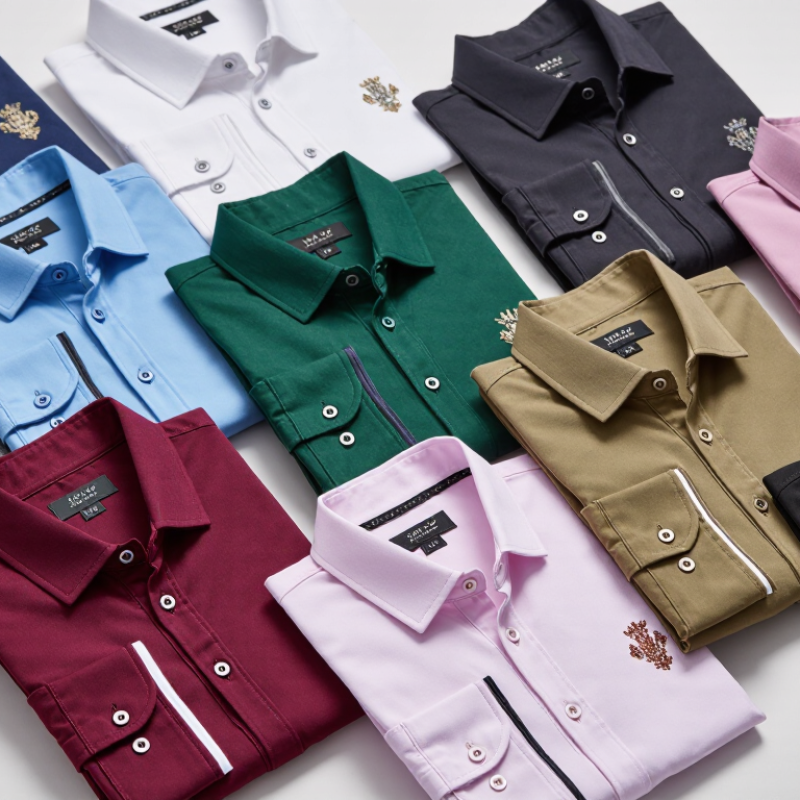
Luxury embroidered polo shirts often use fine, closely spaced stitching on smooth cotton pique. A small crest or monogram at the chest keeps the surface refined. Dense embroidery can feel stiff, though, especially on lightweight fabric. Less can feel richer.
Fashion-forward styles bring color and placement into focus. Tonal thread creates a quiet texture, while a bright sleeve motif feels more playful. Fit matters: large designs can pull across a narrow chest or distort after washing. Check the polo on a person, not only in a flat product photo. A sample wash helps reveal puckering, fading, or loose thread. These flaws are easy to overlook.
Heritage-inspired polos often feature vintage-style badges, classic script, or regional motifs. Their appeal depends on thoughtful detail rather than a crowded design. Buyers can ask about thread composition, stitch density, and placement tolerances before approving production. A design that looks crisp on screen may lose fine lines when stitched at small scale. That trade-off deserves a real sample review. Tradition is not automatically better; sometimes the old-fashioned motif simply feels too busy.
Global Buying Criteria: Quality, Compliance, Customization, and Cost
Top 10 Types of Embroidered Polo Shirts for Global Buyers
Quality begins with fabric, stitching, and embroidery that hold up after repeated washing. For classic piqué, performance mesh, or cotton-blend polos, inspect the collar recovery, seam strength, and fabric weight. Ask for a pre-production sample. Check whether small lettering stays readable and whether dense stitching puckers the chest panel. These details matter. Confirm colorfastness and shrinkage results using documented tests, not verbal assurances.
Compliance needs vary by destination and buyer requirements. Verify fiber-content labels, care instructions, origin details, and applicable chemical or product-safety criteria for the intended market. Keep records of test reports and approved artwork.
Customization also affects wear: a large embroidered crest may feel stiff on lightweight fabric, while a small sleeve mark can be less noticeable. Compare thread colors under daylight; screens can mislead.
Cost depends on order volume, stitch count, fabric choice, packaging, and shipping terms. The cheapest quote may omit sampling or inspection, so compare like-for-like specifications.
Tips: Send a measurement sheet and logo file with clear placement dimensions. Approve one sample before bulk production, then check a few finished pieces from different cartons. Leave time for revisions. Buyers sometimes underestimate this step, and tight schedules can make a minor flaw expensive.