inquiry
Inquiry
Form loading...

Why Choose Private Label Clothing for Your Brand?

Building a clothing brand takes more than choosing a logo. Customers notice the fabric, fit, stitching, and consistency between what a product page promises and what arrives at their door. Private Label Clothing gives a business a way to sell garments under its own brand, often using a manufacturer’s existing styles with selected changes. Those changes may include colors, labels, packaging, or particular design details.

The model can help brands create a recognizable collection without developing every garment from scratch. A small retailer, for example, might test a few tops in limited colors before expanding its range. That can make early product planning more manageable. But private labeling is not a shortcut to customer trust. The brand still needs to check samples, confirm material details, review sizing, and understand production timelines before placing an order. Small differences matter. A sleeve that fits poorly or a fabric that feels thinner than expected can affect repeat purchases.

Good decisions start with clear questions for suppliers: What is customizable? What are the minimum order quantities? How are defects handled? Ask for specific answers, and keep product claims aligned with verifiable information. Private Label Clothing may suit brands seeking control over presentation and product selection, but it does not guarantee sales or quality by itself. The right choice depends on budget, customer needs, and the supplier’s ability to deliver consistently. Even careful planning has limits. That is worth remembering.
Why Choose Private Label Clothing for Your Brand?

What Private Label Clothing Means

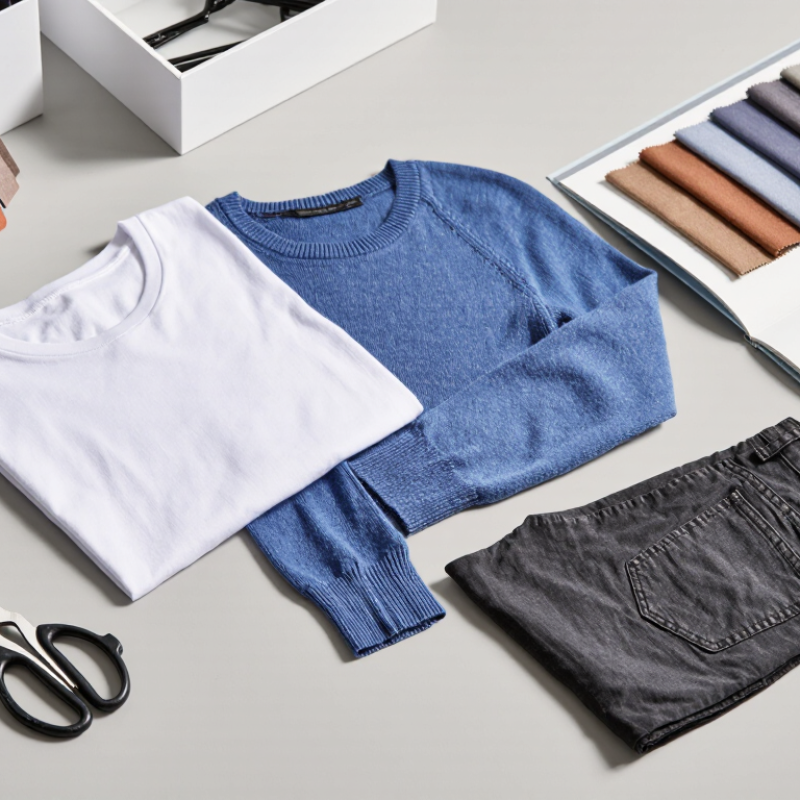
Private label clothing means garments are made by a supplier and sold under your brand’s own name. The supplier may offer existing patterns that you can adjust, such as changing the fabric, fit, color, or trim. Some also develop a garment from a detailed design brief. The exact service varies, so ask what is included before placing an order.

For example, a clothing label might request a heavier cotton jersey, a longer sleeve, and a woven neck label. A sample helps check these details before production. Review the measurements, seams, fabric feel, and wash results. Private label is not a shortcut to a distinctive product. If several sellers choose the same base garment, their pieces may look nearly identical. That is worth considering.

Tips: Request a sample and a written specification sheet. Confirm minimum order quantities, production timing, and what happens if a sample needs changes. Keep notes on each revision; small details are easy to overlook.

This model can give a business more control over presentation than reselling an unmodified item. It also requires clear decisions and realistic planning. Fabric availability can change, and a fit that works on one sample may need adjustment across sizes. Ask the supplier how sizing is graded, and compare measurements rather than relying only on labels such as small or medium.

How Private Label Clothing Is Developed and Produced

Why Choose Private Label Clothing for Your Brand?

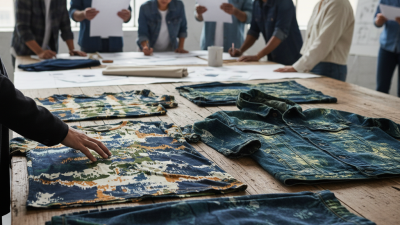
Private label clothing is developed through controlled decisions, not a logo added at the end. The process starts with a clear product brief: intended fit, fabric weight, colors, target price, and expected order volume. A technical pack then records measurements, stitching details, labels, and trim placement. Specific notes matter. “Relaxed fit” alone leaves too much room for interpretation.

Fabric selection should balance hand feel, durability, availability, and cost. Textile Exchange’s 2024 Materials Market Report estimates global fiber production reached 124 million tonnes in 2023, with polyester representing 57%. Those figures make fiber choice a practical sourcing decision, not just a design preference. The Ellen MacArthur Foundation’s 2017 report, A New Textiles Economy, estimated that less than 1% of material used to make clothing was recycled into new clothing. That estimate is a useful reminder to consider material recovery early, while checking what suppliers can actually provide.

Development usually involves a first sample, fit comments, and revisions before a size set or pre-production sample is approved. Check shoulder seams, pocket placement, shrinkage, and color under daylight. Then confirm the approved fabric and specifications before bulk production. A final inspection can catch uneven stitching or measurement drift, but it cannot repair a vague brief. One uncomfortable truth: sample rounds take time. Cutting them short can create expensive surprises.

Why Choose Private Label Clothing for Your Brand? — How Private Label Clothing Is Developed and Produced

Private label clothing lets a business develop apparel under its own label, with product specifications and design choices agreed with a manufacturer. The stages and time ranges below are general estimates; actual schedules vary by garment complexity, material availability, order quantity, and production capacity.

Development Stage Typical Time Range Key Work Typical Output Why It Matters
1. Product Brief Several days to 2 weeks Define the garment type, target customer, intended use, price range, size range, and design requirements. A written product brief and initial specifications A clear brief helps align design, costing, material selection, and manufacturing expectations.
2. Design and Technical Pack 1–3 weeks Prepare sketches or references, construction details, measurements, materials, color options, and label or packaging requirements. Technical pack and preliminary bill of materials Detailed specifications reduce ambiguity when a manufacturer develops the sample and calculates costs.
3. Material and Trim Sourcing 1–4 weeks or longer Identify suitable fabrics, threads, buttons, zippers, labels, and other trims; check availability and minimum order requirements. Material options, sourcing details, and updated cost estimates Material choice affects appearance, comfort, durability, cost, and the production schedule.
4. Prototype Sampling 2–4 weeks per sample round Create a sample to assess design interpretation, construction, fabric behavior, and initial measurements. Prototype garment and sample comments A physical sample makes it possible to identify design or construction issues before bulk production.
5. Fit Review and Revisions 1–3 weeks per revision round Review fit and measurements, record changes, and request revised samples when needed. Updated sample and revised specifications Fit approval helps establish consistent measurements and construction instructions for the production run.
6. Costing and Order Confirmation Several days to 2 weeks Confirm the final specifications, order quantity, unit price, production terms, delivery plan, and any required testing. Confirmed order details and production-ready specifications Agreement on quantity, cost, and specifications helps prevent misunderstandings once manufacturing begins.
7. Bulk Production 4–10 weeks or longer Cut fabric, sew garments, apply finishing details, attach labels, and pack products according to the approved requirements. Finished garments ready for inspection Production time depends on order size, garment complexity, material readiness, and factory capacity.
8. Quality Inspection Several days to 2 weeks Check agreed product specifications, workmanship, measurements, labeling, and packing before dispatch. Inspection findings and approved or corrective-action status Inspection can identify issues before shipment; the inspection method and acceptance criteria should be agreed in advance.
9. Shipping and Delivery Days to several weeks Prepare shipping documents, arrange transport, and plan for transit, customs clearance, and final delivery. Shipment and delivery of the finished order Transit time varies substantially by shipping method, origin, destination, and customs procedures.

Note: Time ranges are planning estimates, not guarantees. Sampling, material procurement, testing, revisions, and shipping may overlap or add time depending on the project.

How Private Labeling Builds Brand Identity and Customer Loyalty

Private labeling gives a clothing business room to shape products around a clear point of view. A team can choose fabric weight, fit, stitching, and packaging that suit its intended customers. A soft cotton tee with a sturdy collar feels different from a lightweight travel top. Those details help shoppers recognize what the business stands for.

Small choices matter.

Consistency matters, too. When product descriptions match the actual feel and fit, customers know what to expect on their next visit. Clear sizing notes, accurate fabric details, and useful care instructions can reduce uncertainty. They also show that the business understands its products, not just its presentation. Trust grows through repeated, ordinary experiences.

Private labeling is not a shortcut to loyalty. Poor fit or uneven quality can weaken confidence, even when the label looks polished. Teams need to review samples, check construction, and listen to returns and customer feedback. The process may expose flaws. That is useful, though sometimes uncomfortable. Adjusting a sleeve length or changing a scratchy label can make a product more welcoming. Over time, recognizable design choices and dependable wear give customers practical reasons to return.

Why Choose Private Label Clothing for Your Brand?

How private labeling can build brand identity and customer loyalty

Private labeling gives a business opportunities to shape product and customer-facing choices. The bars count the example decisions listed for each area; they are a practical checklist, not survey results or a measure of guaranteed customer loyalty.

Business Benefits of Private Label Clothing

Why Choose Private Label Clothing for Your Brand?
Business Benefits of Private Label Clothing

Private label clothing gives a business more control over fit, fabric, colors, and product details. A retailer can build a recognizable range instead of competing only on price. It may also keep more control over pricing and product planning, though stronger margins are not guaranteed. Sampling, minimum order quantities, quality checks, and unsold stock all affect the final cost. A delayed shipment can undo a carefully planned launch.

The Private Label Manufacturers Association and Circana reported that U.S. store-brand sales across all categories reached $236.2 billion in 2023, up 4.7% year over year. This signals broad consumer acceptance of private-label products, but it is not clothing-specific proof. Apparel businesses still need to test demand by style, size, and season. A small first run can reveal issues such as a sleeve that feels tight or a color that looks different under store lighting. Sometimes the first sample gets it wrong.

Tips: Begin with a focused capsule, such as two tops and one jacket. Request fabric and fit samples, then check them after washing. Track returns and customer comments before placing a larger order. A slower, evidence-led launch may protect cash flow better than a wide collection.

Key Factors to Consider When Choosing a Private Label Partner

Choosing a private label partner means checking more than the sample hanging neatly on a rack. Ask who develops the pattern, sources the fabric, and inspects finished garments. A clear answer should name the steps, not just promise “high quality.” Request a sample made from the proposed fabric, then compare its measurements, stitching, color, and wash performance with your written specification. Ask for evidence. A simple inspection report can reveal how defects are recorded and handled.

Production capacity matters, but so does the minimum order quantity. A low unit price may require more stock than a new brand can reasonably sell. Confirm sample fees, payment milestones, production lead times, and what happens if materials arrive late. Small tests matter. Try a limited run before committing to several sizes and colors. It can expose fit problems that a single sample cannot.

Communication deserves its own check. Send a detailed product brief and notice whether the partner flags unclear measurements or suggests practical alternatives. Clarify who approves fabric substitutions and how changes are documented. I would not assume a polished showroom means smooth production; that shortcut is tempting, and sometimes wrong. Compare the partner’s written process with actual sample results, and keep key decisions in writing. A few awkward questions now can prevent a carton of garments that feels different from what you approved.