2026 Best Private Label Clothing Options for Global Buyers?
In the ever-evolving landscape of fashion, "Private Label Clothing" has emerged as a game-changer for global buyers. Industry expert Sarah Johnson, founder of Trendy Threads, emphasizes, “Private label offers unique advantages, allowing brands to express their vision without constraints.” This statement underscores the flexibility and creativity available to businesses when choosing private label options.
Buyers now have an abundance of choices. Countries like Bangladesh and Vietnam lead in manufacturing, providing quality at competitive prices. However, navigating this landscape can be tricky. Many buyers overlook quality control measures, which can lead to significant issues down the line. Thus, understanding the nuances of private label clothing is crucial.
As the demand grows, the competition intensifies. Many brands seek to differentiate themselves. Some succeed brilliantly, while others struggle to find their niche. Reflecting on these challenges can help brands refine their strategies. The journey in private label clothing is not merely about production; it's about crafting a unique identity in a crowded marketplace.

Top Factors to Consider When Choosing Private Label Clothing Manufacturers
When considering private label clothing manufacturers, understanding key factors is essential.
Quality control is one of the top priorities. Inspect the fabric and stitching thoroughly.
High-quality materials enhance the overall appeal of the clothing. Work with manufacturers known for their reliability in producing consistent quality.
Tip: Always request samples before making a bulk order.
This will help you gauge the quality firsthand.
Another important factor is communication. Clear dialogue ensures that your ideas are accurately translated into the final product.
Look for manufacturers who provide updates during the production process.
Misunderstandings can lead to delays and unsatisfactory outcomes.
Tip: Establish a timeline and set milestones.
This helps both sides remain accountable.
Sustainability practices are increasingly vital for global buyers.
Many consumers prefer eco-friendly brands.
Verify the manufacturer's approach to sustainability. Responsible sourcing and ethical labor practices should align with your brand values.
Tip: Ask about their sustainability certifications.
This shows their commitment to responsible manufacturing.
Popular Types of Private Label Clothing for Global Markets
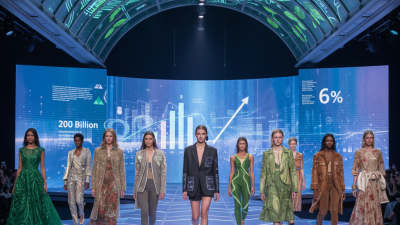
Private label clothing has seen significant growth in recent years. Global buyers are increasingly turning to this model to meet diverse market needs. According to a report by Statista, the private label apparel market is projected to reach over $200 billion by 2026. This figure highlights the growing demand and potential of private label clothing.
One popular category within private label clothing is athleisure wear. With health consciousness on the rise, athleisure garments blend comfort and style. Research indicates that the athleisure market is expected to grow at a CAGR of 8% from 2022 to 2028. Buyers should consider the versatility of these products, as they appeal to a wide demographic.
Another notable type is sustainable fashion. Consumers are increasingly seeking eco-friendly options. The market for sustainable clothing has expanded rapidly, with a forecasted growth rate of 9% through 2025. However, navigating the complexities of sourcing sustainable materials remains a challenge for many brands. Quality control and transparency in supply chains are vital areas needing attention. Global buyers must stay informed of these trends while addressing potential gaps in their offerings.
2026 Best Private Label Clothing Options for Global Buyers
Sourcing Strategies for Global Buyers in the Private Label Clothing Industry
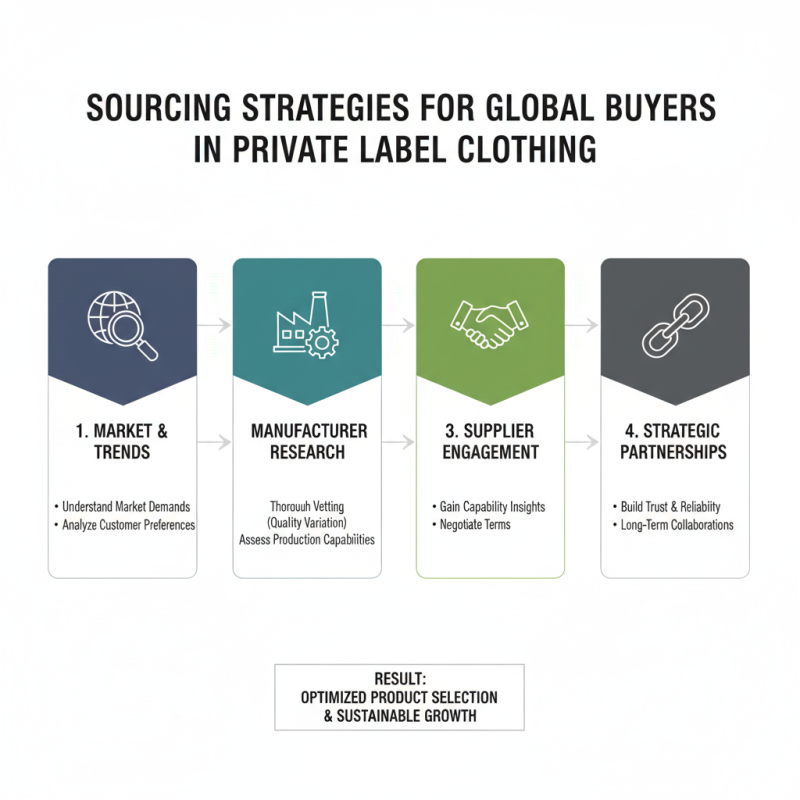
Sourcing private label clothing requires a strategic approach. Global buyers need to understand market demands and trends. Analyze customer preferences to select the right products. Conduct thorough research on manufacturers, as quality varies significantly. Engage with suppliers to gain insights into their capabilities. This can lead to better partnership opportunities.
**Tips:** Prioritize communication when working with suppliers. Establish clear expectations to avoid misunderstandings. Regular check-ins can help maintain smooth operations. Many buyers overlook this step, only to face issues later.
Flexibility is crucial. The private label market can shift unexpectedly. Be prepared to adjust your product offerings based on feedback. Listen to your customers and adapt quickly. Utilize data analytics to guide your decisions but remember, numbers aren’t everything. Sometimes, intuition plays a key role in making the right choices.
**Tips:** Test small batches before large orders. This minimizes risks and allows exploration of new ideas. Experimenting has pitfalls, but it can also lead to standout products.
Understanding Quality Standards in Private Label Clothing Production
Quality standards in private label clothing production are vital for global buyers. As the market grows, producers must adhere to strict guidelines. A report from the Global Apparel Industry states that 70% of manufacturers fail to meet basic quality standards. This figure raises concerns among buyers who prioritize reliability.
Fabric choice plays a crucial role in perceived value. Using high-quality materials can increase the longevity of garments. However, many buyers overlook this aspect, focusing only on price. A study from the International Textile and Apparel Association indicates that 60% of consumers prefer brands that prioritize sustainability. Yet, balancing cost and quality remains a challenge.
Production processes should be transparent. Buyers need to know how items are made. Some manufacturers do not share sourcing information, which can lead to trust issues. A survey found that 80% of buyers would reconsider orders if quality is compromised. Understanding these dynamics helps buyers make informed decisions.
2026 Best Private Label Clothing Options for Global Buyers
| Clothing Type |
Material |
Quality Standard |
Sustainability |
Market Price (USD) |
| T-Shirts |
Cotton |
OEKO-TEX Standard 100 |
Organic Options Available |
10 - 25 |
| Hoodies |
Polyester Blend |
Global Recycle Standard (GRS) |
Recycled Materials Used |
15 - 40 |
| Activewear |
Nylon |
ISO 9001 |
Sustainable Practices Followed |
25 - 60 |
| Jeans |
Denim |
WRAP Certification |
Eco-Friendly Dyes Used |
30 - 70 |
| Dress Shirts |
Linen |
BSCI Compliance |
Biodegradable Fabrics |
20 - 50 |
Trends Shaping the Future of Private Label Clothing Options Worldwide
The private label clothing market is undergoing significant transformation. According to a recent industry report, the market is expected to grow by over 10% annually, driven by increasing consumer demand for personalized products. This trend highlights the shift towards customization, allowing brands to offer unique items tailored to specific demographics.
Sustainability is another critical trend shaping the future. A survey revealed that 70% of consumers prefer eco-friendly clothing options. This statistic underscores the importance of incorporating sustainable practices in private label production. However, many brands struggle with transparency in their supply chains. They face ongoing pressure to demonstrate ethical sourcing and production methods.
Moreover, digital innovation plays a pivotal role. E-commerce has become a primary channel for reaching consumers, with 60% of purchases made online. Brands must adapt to this new landscape. Enhanced online marketing strategies and the use of data analytics can help them better understand consumer preferences. However, navigating this digital shift is challenging and requires ongoing investment in technology and training.