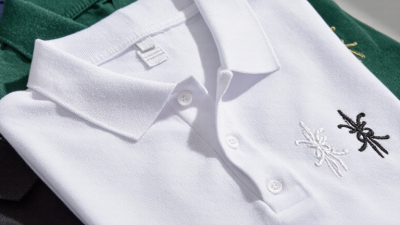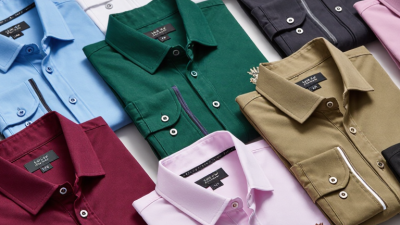
Wholesale apparel is entering 2026 with sharper expectations. Buyers want dependable quality, flexible quantities, and decoration that survives repeated washing.
Grand View Research valued the global custom T-shirt printing market at approximately $5.1 billion in 2023. It also projects strong growth through 2030. Although the report covers broader printed apparel, its signal matters. Personalized clothing is becoming a mainstream purchasing choice. Embroidery adds a more durable, tactile finish for uniforms, clubs, hospitality teams, and promotional programs.
“Embroidery is not a print process,” explains Erich Campbell, an embroidery educator and industry consultant. His point is practical. Stitch density, fabric weight, thread tension, and logo size must work together. A dense design on a lightweight polo can pucker around the chest. A small, clean emblem usually performs better than crowded artwork.
The 2025 State of Fashion report from McKinsey and The Business of Fashion also highlights continued price pressure and demanding consumers. Wholesale buyers therefore need more than attractive samples. They need consistent sizing, stable colors, reliable lead times, and transparent production details. Cotton Incorporated research continues to show cotton’s strong consumer appeal, especially for comfort and everyday wear.
This guide examines the 2026 best Embroidered Polo Shirts for wholesale buyers. It compares fabric blends, collar construction, stitching results, order flexibility, and practical cost factors. Some recommendations may feel obvious. They are still easy to overlook. A lower unit price can become expensive when embroidery fails, delivery slips, or replacement orders arrive too late.
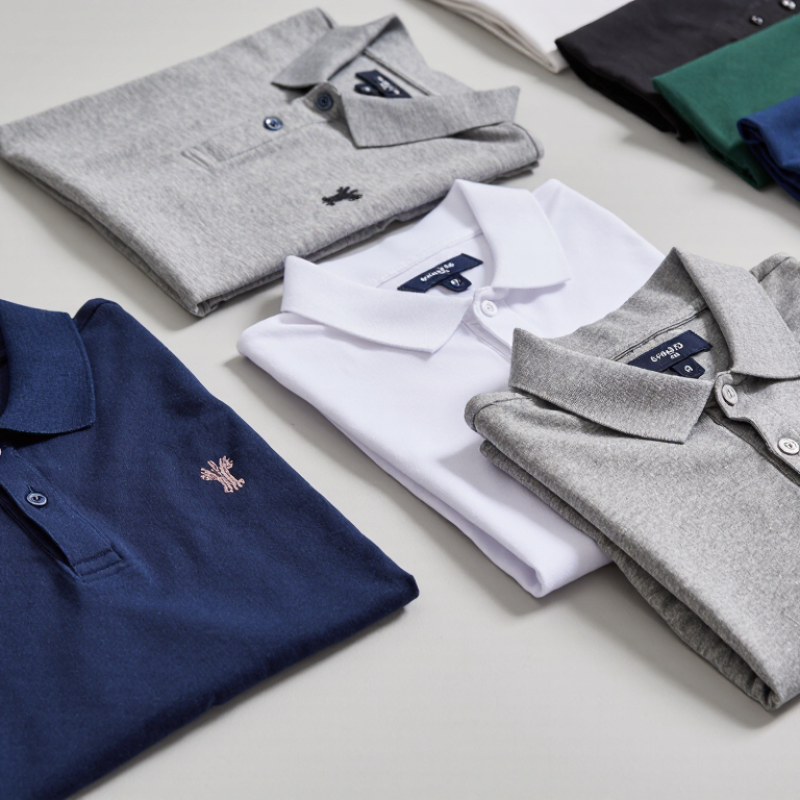
For wholesale buyers, a high-quality embroidered polo begins with fabric stability, not decoration. A practical target is 200–240 gsm combed cotton or a tested cotton blend. The fabric should feel firm, but not stiff. Textile Exchange’s Materials Market Report 2024 states that polyester represented about 57% of global fiber production in 2023, while cotton represented approximately 22%. This scale makes fiber verification important. Ask for composition records, yarn details, and shrinkage results before approving bulk production.
Embroidery quality depends on the shirt and the machine settings. Dense stitching can distort lightweight fabric. Good suppliers test collar recovery, seam strength, pilling, and colorfastness after washing. ISO 6330 supports standardized domestic laundering tests, while ISO 105-C06 evaluates colorfastness to washing. Request pre-wash and post-wash samples. Small details matter. The logo should sit flat, with clean edges and no loose threads. A puckered chest panel is a warning sign.
Wholesale reliability also requires traceable documentation. The Fashion Transparency Index 2024 reported that only 12% of assessed companies disclosed raw-material suppliers. That gap deserves attention. Ask who made the yarn, fabric, and embroidery. I have seen attractive samples fail after repeated washing. A perfect showroom sample proves little. Even experienced buyers can overvalue appearance. Reserve production only after testing several sizes, colors, and wash cycles. Consistent measurements, stable color, and comfortable hand feel should outweigh a slightly cheaper quote.
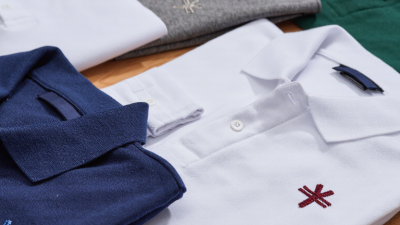
For wholesale buyers, fabric consistency is the first quality checkpoint. Textile Exchange’s 2024 Materials Market Report records 124 million tonnes of global fiber production in 2023. That scale makes traceable fiber selection more important, not less. Combed cotton or cotton blends should remain stable after washing. Specify fabric weight, yarn count, shrinkage tolerance, and colorfastness before sampling. A 220 gsm polo may feel premium, but weight alone proves little.
Inspect collar recovery, placket alignment, and embroidery backing during physical sampling. Dense logos need balanced stitch density and soft backing. Excess stitching can pucker piqué, especially around curved letters. AATCC TM61 accelerated laundering helps compare color and dimensional change. ASTM D4966 abrasion testing can reveal weak surfaces before bulk production. Ask for test conditions, not vague pass claims.
Fit must follow the buyer’s size chart, not a generic “regular” label. Measure chest, body length, sleeve opening, and collar after washing. WRAP clothing research indicates that extending garment life by nine months can reduce carbon, water, and waste footprints by up to 20%. I still find supplier photos unreliable. A perfect sample can hide uneven seams, loose threads, or poor collar recovery. Require pre-production samples, wash them repeatedly, and record every measurement before approving the order.
For wholesale buyers in 2026, embroidered polo shirts are moving beyond basic chest logos. Clean geometric motifs, small botanical marks, and tonal thread patterns suit retail and team programs. The most practical styles use 3D puff embroidery sparingly. It adds texture without making the collar feel heavy. Flat satin stitching remains safer for frequent washing. Buyers should compare embroidery density, backing, and thread shine before approving bulk production. In sample reviews, a 7–10 cm chest design often balances visibility and comfort. Larger artwork may pull the fabric.
Relaxed fits are gaining attention, especially with heavyweight cotton blends and dropped shoulders. They create a modern streetwear shape without losing the polo’s familiar structure. For office customers, regular-fit polos in navy, stone, charcoal, and soft green remain dependable. Contrast embroidery can add energy, while matching thread creates a quieter premium effect. Sleeve and cuff embroidery also deserve testing. Small details can make a standard garment feel more considered.
Reliable wholesale sourcing depends on more than attractive samples. Inspect stitch tension, loose threads, collar recovery, colorfastness, and size measurements. Ask for wash-test photos or physical samples when possible. Trend reports help, but they can mislead. A bright shade may photograph well and sell poorly. This judgment is not perfect. Buyers should test several colorways with their actual customers before placing large orders. Suppliers who document production checks offer stronger confidence than those making vague quality claims.
A practical comparison of popular embroidered polo shirt constructions for bulk purchasing, uniform programs, events, retail collections, and promotional merchandise.
| Polo Shirt Style | Typical Fabric | Common Fabric Weight | Fit & Construction | Recommended Embroidery Area | Best Wholesale Use | Key Buying Considerations | Indicative Order Flexibility |
|---|---|---|---|---|---|---|---|
| Classic Piqué Polo | 100% cotton or cotton-rich blend with textured piqué knit | Approximately 180–220 g/m² | Regular fit, two- or three-button placket, rib-knit collar and cuffs | Left chest, right chest, sleeve, or upper back | Corporate uniforms and everyday workwear | Breathable texture and dependable shape retention; verify shrinkage control and collar construction. | Low to medium customization complexity |
| Performance Moisture-Wicking Polo | Polyester or recycled polyester performance jersey | Approximately 130–170 g/m² | Regular or athletic fit, lightweight construction, flat-knit collar | Left chest and upper back; avoid dense embroidery on very lightweight areas | Outdoor teams, service crews, and active uniforms | Fast drying and easy care; test thread density to reduce puckering on lightweight fabric. | Medium customization complexity |
| Long-Sleeve Embroidered Polo | Cotton piqué, cotton-polyester blend, or heavier jersey | Approximately 200–260 g/m² | Regular fit with full-length sleeves and rib-knit cuffs | Left chest, sleeve, or upper back | Cool-weather uniforms and facility teams | Check sleeve proportions, cuff recovery, and layering compatibility before placing a large order. | Medium customization complexity |
| Slim-Fit Retail Polo | Combed cotton, cotton-elastane, or fine-gauge jersey | Approximately 160–210 g/m² | Contoured fit, narrower sleeves, shaped side seams, shorter placket | Small left-chest or sleeve embroidery | Fashion-led wholesale collections and staff apparel | Order a full size set; fitted garments have less tolerance for grading and embroidery placement errors. | Medium customization complexity |
| Heavyweight Premium Polo | Combed cotton or dense cotton-polyester piqué | Approximately 220–280 g/m² | Structured regular fit, reinforced placket, substantial collar and cuffs | Left chest, right chest, sleeve, or large upper-back design | Premium uniforms, hospitality, and executive programs | Supports detailed embroidery well; confirm garment weight, colorfastness, and wash-test results. | High embroidery compatibility |
| Eco-Fiber Polo | Recycled polyester, organic cotton, or blended sustainable fibers | Approximately 150–220 g/m² | Regular or modern fit; construction varies by fiber blend | Left chest, sleeve, and upper back | Sustainability-focused programs and promotional campaigns | Request fiber-content documentation, recycled-content evidence, and care-label details. | Medium customization complexity |
| Contrast-Trim Polo | Cotton piqué, polyester piqué, or cotton-polyester blend | Approximately 170–230 g/m² | Regular or athletic fit with contrast collar, cuffs, or side panels | Small or medium left-chest embroidery | Sports clubs, event teams, and branded group apparel | Match thread colors carefully with contrast panels; inspect seam alignment and color consistency. | Medium customization complexity |
| Pocket Polo | Cotton, polyester, or cotton-polyester piqué | Approximately 180–230 g/m² | Regular fit with functional chest pocket and reinforced pocket opening | Opposite chest, pocket area, sleeve, or upper back | Maintenance, logistics, trade, and field-service uniforms | Confirm embroidery clearance around the pocket opening and test pocket usability after decoration. | Medium customization complexity |
| Pima-Style Soft-Touch Polo | Long-staple cotton or smooth cotton-modal blend | Approximately 160–210 g/m² | Soft hand feel, refined collar, regular or modern fit | Small left-chest, sleeve, or tonal embroidery | Boutique uniforms, premium retail, and customer-facing teams | Use a backing suited to soft fabric; evaluate color bleeding, shrinkage, and surface distortion. | High appearance sensitivity |
| Kids' Embroidered Polo | Cotton, cotton-polyester blend, or performance polyester | Approximately 150–210 g/m² | Child-specific grading, reinforced seams, and shorter body length | Small left chest or sleeve embroidery | Schools, youth organizations, and junior sports programs | Check age-specific sizing, wash durability, neck comfort, and embroidery safety requirements. | Size-range planning required |
Note: Fabric weights, fits, and decoration suitability are typical industry specifications rather than fixed standards. Actual measurements, minimum order quantities, lead times, color availability, and compliance documentation should be confirmed with the selected manufacturer before purchase.
For wholesale buyers, supplier evaluation should begin with evidence, not attractive catalog photos. Grand View Research estimates the custom T-shirt printing market reached about USD 5.1 billion in 2023, with strong growth expected through 2030. That growth raises competition, but not every factory offers consistent embroidery. Request a physical polo sample, production photos, wash-test results, and a clear measurement chart. Inspect stitch density, thread tension, collar recovery, and loose ends. A small flaw can become expensive across 1,000 shirts.
Customization requires a written specification sheet. Record fabric composition, GSM, thread colors, logo dimensions, placement tolerance, packaging, and acceptable defect rates. Ask whether the supplier owns embroidery equipment or outsources it. Outsourcing is not automatically poor, but it can weaken quality control. Minimum order quantities should match your sales forecast, not only the lowest unit price. Compare 100, 300, and 1,000-piece quotations, including setup fees, sampling charges, shipping, and payment terms. The International Trade Centre emphasizes that landed cost and trade procedures can materially affect sourcing decisions. I would still allow room for mistakes. Real production rarely matches the first sample perfectly.
Tips: Order a size-set sample before bulk production. Test three wash cycles. Ask for a pre-production approval photo. Negotiate a smaller pilot order when possible. Confirm the reorder MOQ in writing.
2026 Best Embroidered Polo Shirts for Wholesale Buyers
Pricing, Quality Control, and Ordering Considerations for Bulk Purchases
Wholesale polo pricing depends on fabric weight, embroidery size, stitch density, colors, and order volume. A low quote may hide setup fees, packaging costs, or weaker fabric. Request a complete cost sheet before approving production. I have seen buyers compare unit prices while overlooking shipping and remake expenses. That mistake can damage the real margin.
Quality control should begin with a physical sample, not a digital image. Check collar shape, seam strength, fabric recovery, and logo placement. Embroidery should look clean from a short distance, without loose threads or puckering. Ask for a wash test. Record acceptable measurements for each size. Even careful inspections can miss small defects. Leave a practical tolerance for minor measurement changes, but define serious faults clearly.
Tips: Order a small pre-production sample. Approve thread colors in natural light. Confirm the size chart in writing. Use inspection photos before shipment. Keep extra time for corrections, especially during busy seasons. Your purchase order should state quantities, packaging, delivery dates, payment stages, and the process for defective items. A small deposit may secure production, but full payment should follow verified progress. Great embroidery cannot rescue an inconsistent fit.