Why Choose Mexican Poncho Tops for Global Buyers?
Mexican Poncho Tops have moved from regional craft markets into international fashion collections and retail catalogs. Their appeal is immediate: a woven geometric pattern, a soft drape, and generous sleeves create visible character without complicated styling. Global buyers also value practical flexibility. One piece can serve resort shops, cultural boutiques, winter accessories programs, and relaxed urban wardrobes. Still, appearance alone is not enough. A colorful surface may conceal uneven sizing, weak seams, or unclear fiber information.
Mexican designer Carla Fernández, known for collaborating with Indigenous artisans, has said, “The future is handmade.” That short statement matters to buyers building responsible collections. Handmade production can preserve techniques, but it may also create slower lead times and natural variations. Those differences need careful explanation, not empty marketing language. Buyers should request measurements, fabric composition, care instructions, production capacity, and origin records before placing larger orders. Small samples help reveal sleeve balance, neckline comfort, colorfastness, and stitching quality.
The strongest sourcing decisions combine design interest with commercial discipline. A well-made Mexican Poncho Tops line should fit real customers, pack efficiently, and remain consistent across repeat orders. It should also respect the makers behind the pattern. That sounds obvious. It is not always practiced. Prices, delivery schedules, and quality expectations can conflict, especially during seasonal demand. For this reason, global buyers need transparent supplier communication and realistic purchasing plans. The product is attractive, but its value depends on construction, cultural care, and dependable execution.
Mexican Poncho Tops Defined: Origins, Materials, and HS-Code Scope
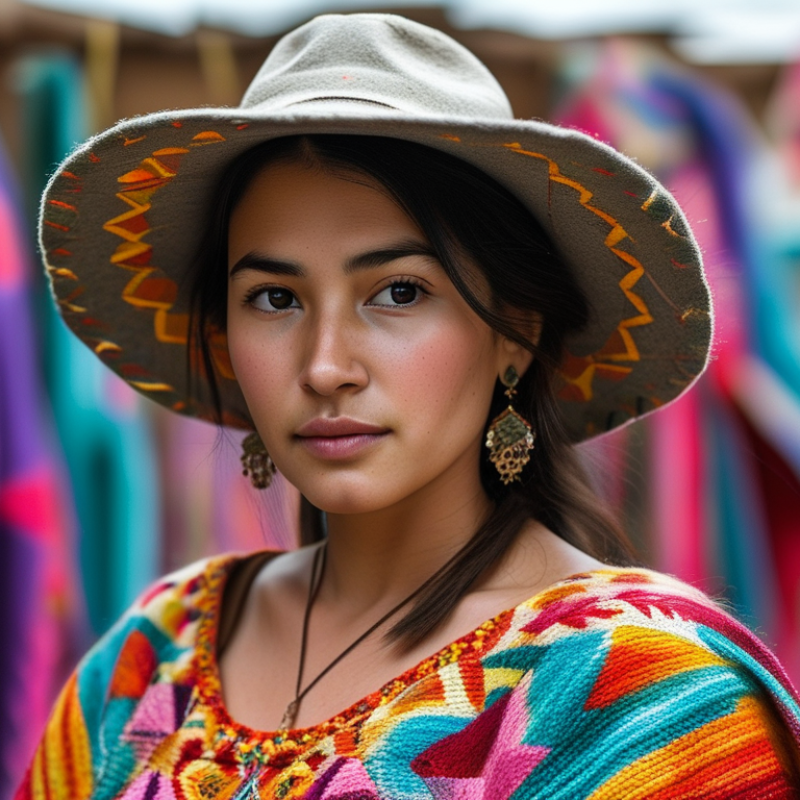
Mexican poncho tops reflect long-standing textile traditions from different regions of Mexico. Their open shape supports movement and creates a relaxed fit. Some styles feature geometric patterns, handwoven textures, or colorful embroidery. These details may reflect local craft practices, but not every colorful poncho is traditionally handmade.
Materials vary widely. Cotton feels breathable in warm climates, while wool provides stronger insulation. Acrylic and blended fibers can reduce cost and simplify care. Suppliers should check yarn quality, seam strength, shrinkage, and colorfastness before purchasing. A soft surface alone does not prove durability. I have found that measurements can also vary between batches, especially in loosely woven designs.
Tips: Request the fiber composition, garment measurements, care instructions, and production photos. For customs planning, do not rely on the word “poncho” alone. The HS scope depends on construction, material, gender category, and intended use. Knitted or crocheted garments are generally considered within Chapter 61, while non-knitted apparel commonly falls under Chapter 62. Some shawl-like or blanket-style products may require different treatment. The exact national tariff line can differ by importing country. Confirm the classification through the destination customs authority or a qualified customs professional. This step is easy to overlook, yet a small classification error can affect duties, documents, and delivery timing.
Global Apparel Demand: Evaluating the $1.7 Trillion Market Opportunity
Global Apparel Demand: Evaluating the $1.7 Trillion Market Opportunity
The global apparel market, valued at approximately $1.7 trillion, creates substantial space for versatile clothing categories. Mexican poncho tops can serve buyers seeking comfort, cultural character, and flexible styling. Their loose shape supports different body types and simplifies size planning. Lightweight cotton blends suit warm markets, while wool-mix versions can support cooler seasons. In real sourcing work, fabric weight, stitching strength, and color consistency often matter more than attractive photos. A poncho may look simple. Production is not always simple.
For global buyers, demand should be tested by region rather than assumed. Neutral colors may perform well in urban stores, while woven patterns can attract customers seeking visible artisan influence. However, cultural design details require respectful research and accurate product descriptions. Buyers should also check shrinkage after washing, seam durability, packaging size, and delivery reliability. These details affect customer satisfaction and repeat orders. The $1.7 trillion figure indicates market scale, not guaranteed sales. That distinction is easy to overlook.
Tips: Request physical samples before placing large orders. Compare measurements after washing. Ask for fabric composition, production capacity, and quality-control procedures. Test a small assortment across two or three customer groups. Track returns and customer comments, not only sales volume. My own practical view is cautious: poncho tops offer strong visual appeal, but poor sizing information can quickly weaken their commercial potential.
Mexico as a Sourcing Base: USMCA Trade Access and Export Data
Why Choose Mexican Poncho Tops for Global Buyers?
Mexico offers a practical sourcing base for poncho tops, especially for buyers serving North American markets. The USMCA, effective since 2020, may allow qualifying textile products to enter the United States duty-free. However, the product must meet specific rules of origin. Fiber content, yarn origin, fabric production, and final assembly can affect eligibility.
Export data adds a useful layer of confidence.
Buyers can review Mexican customs records, INEGI statistics, and UN Comtrade data to study shipment trends, product categories, and destination markets. These sources help compare seasonal demand and identify established production areas. Data is helpful, but not flawless. HS codes may group different garments together, so a poncho figure may not represent the full product range.
In practical sourcing, buyers should inspect fabric weight, edge finishing, color consistency, and fringe attachment. A sample should survive folding, handling, and repeated fitting. It should not merely look attractive on a showroom table. Mexico’s road and rail connections can also support shorter replenishment cycles for US buyers. That advantage matters when weather changes quickly.
Still, compliance needs careful checking.
Ask the supplier for fiber details, production records, and a clear origin certification. A qualified customs broker can review the USMCA claim before shipment. Small documentation gaps can create delays. That is easy to underestimate.
Buyer Compliance Standards: Using OECD, GOTS, and ISO Requirements
Why Choose Mexican Poncho Tops for Global Buyers?
Mexican poncho tops offer practical comfort, distinctive texture, and flexible seasonal appeal. For global buyers, design alone is not enough. Compliance evidence matters. Responsible suppliers should follow OECD due diligence principles across labor, environmental, and supply-chain risks. This means mapping material sources, reviewing workplace conditions, and documenting corrective actions. Records should be clear. Vague promises create avoidable risk.
GOTS requirements can support buyers seeking certified organic fibers and controlled processing. Buyers should verify the current certificate, product scope, transaction records, and approved facilities. ISO-based systems can strengthen quality control, environmental management, and worker safety procedures. They do not replace product-specific legal checks. A reliable supplier should provide test reports, size specifications, colorfastness results, and batch traceability. Inspectors should examine seams, fringe attachment, fabric weight, and shrinkage before shipment. Small details matter.
No checklist is flawless. A certificate may cover one facility but exclude a subcontractor. That gap deserves attention. Suppliers should welcome independent audits and explain unresolved findings honestly. Buyers can also request corrective-action timelines instead of accepting perfect-looking documents. This approach makes poncho sourcing more credible, measurable, and suitable for demanding international markets.
Why Choose Mexican Poncho Tops for Global Buyers?
Buyer Compliance Standards: OECD, GOTS, and ISO Requirements
The chart presents official reference points relevant to global textile sourcing: the OECD due-diligence framework contains six steps, ISO 9001 is built around seven quality-management principles, and GOTS label grades require at least 70% or 95% certified organic fibres depending on the claim. These figures are standards-based requirements, not company performance ratings.