What is White Label Clothing and How to Source it Globally?
White Label Clothing represents a powerful concept in modern retail. It allows brands to sell products without displaying the manufacturer’s name. Essentially, this means retailers can focus on their branding while leveraging high-quality clothing produced by others. In a competitive market, this approach can provide a significant edge.
Sourcing White Label Clothing globally has become a necessity. Businesses can tap into a vast array of suppliers, each offering unique styles and fabrics. However, navigating the complexities of global sourcing is not without its challenges. It requires understanding different markets and maintaining quality control. Not every supplier meets the same standards. Brands should take their time to research and evaluate potential partners.
Engaging with White Label Clothing offers vast potential. But it also demands diligence and careful planning. Retailers must balance cost with quality, and branding with consumer expectations. What works for one brand might not suit another. This variability is worth considering as businesses look to carve out their niche in a crowded marketplace.
What is White Label Clothing?
White label clothing represents a unique opportunity for businesses seeking to enter the fashion market. This model allows brands to sell products manufactured by another company under their own label. The appeal lies in the versatility it offers. Entrepreneurs can focus on marketing and branding instead of design and production. This can be particularly helpful for those without extensive resources.
Understanding this concept is crucial. Often, manufacturers provide a range of styles, sizes, and materials. This variety can be overwhelming. It’s essential to choose products that align with your brand identity. Misalignment often leads to a lack of customer trust. Researching potential manufacturers and assessing their reliability is vital. Quality control should never be compromised.
Sourcing white label clothing globally can pose challenges. Time differences, language barriers, and cultural nuances contribute to potential miscommunication. Navigating through these issues requires patience and diligence. Finding trustworthy partners is more critical than ever. It is advisable to ask for samples. This practice helps gauge the quality before committing to larger orders. Understanding both the risks and benefits leads to informed decisions.
Sales Volume of White Label Clothing by Category
Benefits of White Label Clothing for Retailers
White label clothing offers significant benefits for retailers. It allows businesses to sell products without the need for extensive branding or manufacturing processes. This model enables retailers to focus on marketing and customer engagement, while leaving production to specialists.
Retailers enjoy cost savings. By sourcing white label clothing, expenses on design and manufacturing are reduced. They can quickly launch new products and respond to market trends. This speed can provide a competitive edge. However, quality control can be a challenge. Retailers must ensure that their chosen suppliers maintain high standards.
Tip: When sourcing white label clothing globally, conduct thorough research on suppliers. Check their manufacturing practices and read reviews. This diligence can prevent potential issues.
Retailers also benefit from adaptability. They can customize clothing designs to fit their audience. This personalization fosters brand loyalty. Yet, over-customization can lead to longer lead times. It’s essential to strike a balance between uniqueness and efficiency.
Tip: Test small batches before fully committing. This approach minimizes risk and provides insights into customer preferences. Embrace feedback and adjust accordingly for better results.
Key Considerations When Sourcing White Label Clothing
When sourcing white label clothing, key considerations play a crucial role in the success of your venture. Quality, supplier reliability, and cost transparency are three pillars to focus on. It’s vital to assess the quality of materials used. Request samples to evaluate fabric and stitching. Pay attention to details that reflect durability and comfort. If the clothing doesn’t meet your expectations, it could cost you in the long run.
Tip: Always communicate your expectations clearly with potential suppliers. This ensures they understand your requirements. They should provide transparency regarding how they manufacture garments and source materials. Miscommunication can lead to disappointing outcomes.
Another important aspect is understanding the supplier’s production capacity. A capable supplier should meet your order volumes without compromising quality. Assess their ability to handle fluctuations in demand. This will help build a reliable supply chain.
Tip: Research suppliers through online platforms and industry events. Read reviews and testimonials from other businesses. Hearing from peers can shed light on a supplier's reputation and reliability. Be wary of suppliers with mixed feedback.
Top Global Markets for White Label Clothing Suppliers
When exploring white label clothing, several global markets stand out. Manufacturers in China are known for efficiency and cost-effectiveness. They provide a wide variety of fabrics and styles, catering to diverse fashion needs. However, sourcing from China can present challenges, such as communication barriers and quality control. It's crucial to conduct thorough research before partnering with suppliers.
India is another key player in the white label clothing sector. The country excels in traditional textiles and sustainable practices. Indian manufacturers often focus on quality craftsmanship and unique designs. Yet, navigating the regulatory landscape can be complex. Brands may face delays in production schedules, making timely delivery a potential issue.
In Europe, markets such as Turkey and Portugal offer a blend of quality and innovation. These regions are known for their ethical manufacturing processes and skilled labor. However, higher labor costs can impact pricing. Evaluating the trade-offs between quality and expenses is vital for businesses. As with any market, balancing these aspects requires careful strategic planning.
Strategies for Successful White Label Clothing Sourcing
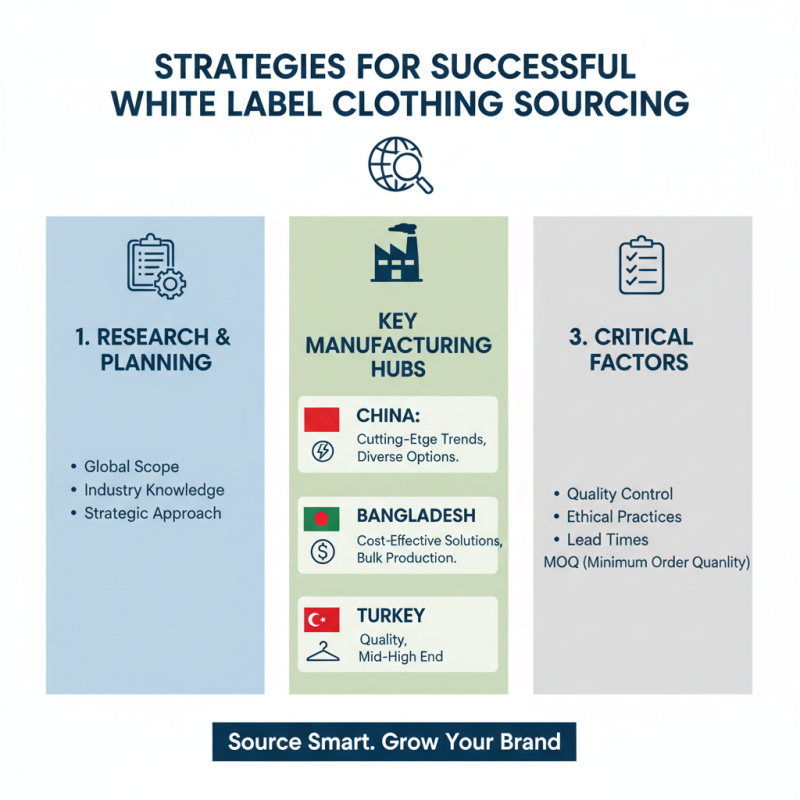
Sourcing white label clothing globally involves strategic planning and industry knowledge. Research is critical. Investigate various countries known for apparel manufacturing, such as China, Bangladesh, and Turkey. Each location has different strengths. For instance, China excels in cutting-edge trends, while Bangladesh offers cost-effective solutions.
Establish relationships with manufacturers. Attend trade shows or connect through online platforms. Communication is vital. Clarify your requirements, such as fabric type and design specifications. Be mindful of timelines. Delays can disrupt your operations. Request samples to evaluate quality before committing to bulk orders.
Consider sustainability in your sourcing strategy. Consumers increasingly value eco-friendly practices. Implementing ethical standards can enhance your brand's reputation. However, balancing cost and ethical sourcing is challenging. Sometimes, the cheapest option may compromise quality. Always reflect on your choices and their long-term impact on your brand image.