Top 10 White Label Shorts for Global Buyers in 2026?
The demand for White Label Shorts is surging globally. As of 2023, the global activewear market is anticipated to reach over $500 billion. Within this ecosystem, White Label Shorts represent a significant segment, attracting numerous buyers seeking customization without brand attachment. It’s estimated that 35% of companies prefer to invest in white label products due to lower costs and rapid market entry.
Various brands are leveraging this trend. They appreciate the flexibility that comes with white labeling. High-quality shorts can now be sourced and branded swiftly. However, challenges persist. Not all suppliers meet the necessary quality standards, leading to potential consumer dissatisfaction. The variability in materials and production processes also poses a risk for brands. Brands must remain vigilant to ensure consistent quality while exploring diverse options. This dynamic environment underscores the necessity to be informed and cautious when selecting suppliers.
Looking towards 2026, the market for White Label Shorts will likely expand further. Emerging trends indicate a shift towards sustainable materials and ethical manufacturing practices. Buyers must adapt to these changes to stay competitive. By focusing on quality and innovation, brands can better serve the evolving needs of their customers. As the market transforms, the importance of staying informed cannot be overstated.
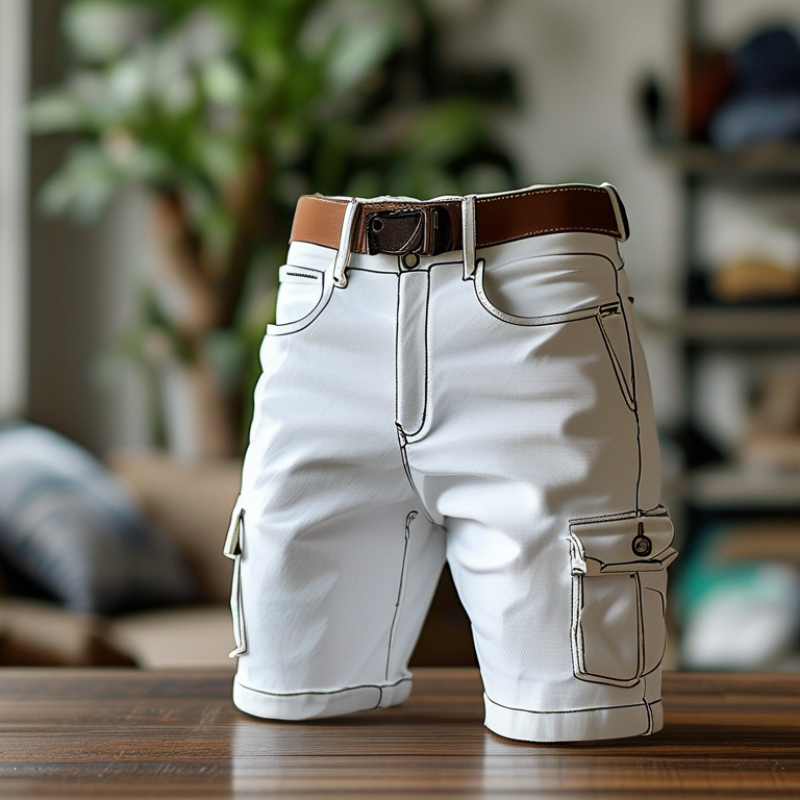
Understanding White Label Shorts: A Global Perspective
The white label shorts market is thriving, driven by the increase in global trade. Reports indicate the market's growth to nearly $4 billion by 2026. This surge is influenced by consumer preferences and the demand for unique, customizable apparel options. Retailers are looking for ways to stand out, pushing brands to rethink their strategies.
Understanding the nuances of sourcing these products is crucial. Buyers must consider quality, ethical sourcing, and market trends. Data reveals that 65% of consumers prioritize sustainable practices when choosing brands. This shift is reshaping the landscape, urging producers to adapt quickly. However, many still struggle to meet these evolving expectations.
Moreover, navigating international regulations can complicate the process. Import tariffs and local compliance issues may hinder sales. Potential buyers should conduct thorough research or consult experts to avoid missteps. Despite these challenges, the rewards can be substantial for those who engage in informed decision-making. The intersection of innovation and buyer preferences remains a key area for improvement and observation.
Key Features to Look For in White Label Shorts
When looking for the perfect pair of white label shorts, several key features stand out. Comfort ranks high on the list. Fabrics should be soft and breathable, allowing for easy movement. Look for moisture-wicking materials that keep wearers cool. Ensure the cut and fit suit various body types, as versatility is crucial.
A noteworthy aspect is durability. Check the stitching and seams. A well-constructed short should withstand wear and tear. Pockets can also make a difference; functional, secure pockets add value. In casual settings, style matters too. Consider colors and designs that attract buyers worldwide.
Tips: Always test the fabric. Feel how it moves with you. Customers appreciate a short that fits seamlessly into their wardrobe. Pay attention to customer feedback and adjust designs as necessary. Remember, a perfect product evolves with market demands. Use surveys to gauge preferences, ensuring your offerings remain relevant. Being adaptable is vital in this ever-changing market.
Top 10 White Label Shorts for Global Buyers in 2026
As the demand for white label products continues to surge, the market for shorts is no exception. By 2026, experts predict that the global activewear market will reach approximately $546 billion, with white label segments growing significantly. This shift reflects a rising consumer preference for customizable, affordable options. Research shows that about 70% of consumers opt for white label products due to perceived quality and cost-effectiveness.
The flexibility of white label shorts allows businesses to cater to diverse markets. A report by Euromonitor highlights that companies can personalize designs, colors, and sizes to meet local demands. In some regions, over 50% of retail sales come from these flexible offerings. This figure emphasizes a noticeable trend: consumers increasingly seek brands that resonate with their identities.
However, despite these opportunities, challenges remain. Quality control and supply chain issues often complicate production. Many buyers struggle to find reliable manufacturers. Additionally, without established branding, products may become lost in a saturated market. Addressing these issues is crucial for success in the evolving landscape of white label shorts.
Market Trends Influencing White Label Shorts Demand
The demand for white label shorts is growing rapidly, driven by several market trends. Consumers increasingly emphasize sustainability. Studies show that by 2026, eco-friendly materials will dominate 30% of apparel sales. This reflects a shift towards brands that prioritize recycled fabrics and ethical production methods. Retailers who adopt these practices can better align with customer values.
Moreover, the rise of online shopping is reshaping how consumers choose clothing. A report by Statista indicates that e-commerce revenue for apparel is projected to reach $646 billion globally by 2026. This trend highlights the importance of high-quality, customizable white label shorts to cater to diverse customer preferences. Retailers should enhance their online presence with compelling product descriptions and engaging visuals.
Tips: Focus on quality materials. Customers appreciate durability over quantity. Offer customizable designs; this invites consumer involvement. Stay updated on fashion trends to remain competitive. In an ever-changing market, brands must adapt to consumer needs and preferences to thrive.
Sourcing and Customization Options for Buyers of White Label Shorts
When sourcing white label shorts in 2026, customization options are crucial. Buyers must explore various materials, colors, and fits to meet diverse needs. Fabrics like moisture-wicking blends ensure comfort during physical activities. Buyers can choose from classic styles or trendy cuts, catering to different target audiences. The right choice of fabric can enhance durability, making it a key consideration for sourcing professionals.
Customization does not stop at fabrics. Buyers can opt for unique features like pockets, embroidery, or eco-friendly materials. These options allow businesses to differentiate their products in a saturated market. Collaborating with manufacturers skilled in customization can lead to innovative designs. However, it’s essential to maintain open communication to reflect brand vision accurately. Misunderstandings can lead to unsatisfactory results, which poses risks for any buyer.
In this competitive landscape, staying updated with trends is vital. Regular market research will help buyers identify popular styles. Buyers often face challenges in balancing quality and cost. Establishing a reliable supply chain enhances consistency and reduces lead times. While customization adds value, it can complicate production processes. Monitoring these factors is essential for successful sourcing strategies.
Top 10 White Label Shorts for Global Buyers in 2026