inquiry
Inquiry
Form loading...

Top 10 Trends in Private Apparel for Modern Consumers

The landscape of Private Apparel is rapidly evolving, driven by changing consumer preferences. According to the latest report by Global Industry Analysts, the private label apparel market is projected to reach $200 billion by 2025. With more consumers seeking affordability and quality, private apparel presents a compelling option.

Industry expert, Sarah Johnson, states, "Private Apparel allows brands to connect directly with consumers while maintaining competitive pricing." This personalized approach resonates well with today's shoppers who value unique styles and sustainability. With 70% of millennials indicating a preference for private brands, retailers must adapt to capture this demographic.

However, relying solely on trends may backfire. Brands often overlook regional preferences, which could lead to missed opportunities. As the industry progresses, it's essential to balance innovation with consumer feedback. Emphasizing localization can help brands tailor their products effectively. In this dynamic market, understanding the nuances becomes imperative for success in the private apparel sector.

Top 10 Trends in Private Apparel for Modern Consumers

Emergence of Sustainable Fabrics in Private Apparel

The rise of sustainable fabrics in private apparel reflects a significant shift in consumer preferences. Recent studies reveal that 67% of consumers consider sustainability when making fashion choices. More than half of them, about 54%, are willing to pay a premium for eco-friendly products. This growing demand pushes brands to explore innovative materials. Organic cotton, Tencel, and recycled polyester are just a few examples. These fabrics not only reduce harm to the environment but also often have a unique appeal.

However, the transition to sustainable fabrics isn’t without its challenges. Many brands struggle with sourcing materials that meet both sustainability and quality standards. In fact, reports indicate that only 30% of textile manufacturers have implemented sustainable practices. This gap shows that while awareness is increasing, action is still lagging behind. Consumers must also educate themselves; not all "sustainable" labels are created equal. This complexity can create confusion and hamper informed decision-making.

The future of private apparel is promising but imperfect. Innovations continue to emerge, yet the industry must address transparency and ethical production. Companies are tasked not only with creating stylish garments but also with ensuring their practices benefit both the planet and its people. Even as sustainable fabrics gain traction, the path to widespread acceptance requires ongoing reflection and commitment from all stakeholders involved.

Rise of Personalization and Customization in Fashion Choices

In today's fashion landscape, personalization and customization are reshaping consumer choices. A recent report indicated that 60% of shoppers are more likely to buy from brands offering personalized experiences. This shift reflects a growing desire for unique, individual expressions through clothing. Consumers no longer settle for off-the-rack options. Instead, they seek pieces that resonate with their lifestyles and identities.

Brands are increasingly investing in tailor-made services. This includes made-to-order clothing and personalized style recommendations. A survey showed that 70% of millennials value brands that understand their personal style. However, not all brands navigate this shift effectively. Many still adhere to one-size-fits-all marketing, missing opportunities for deeper connections.

**Tips:** To engage with a personalized market, brands should leverage data insights. Understanding customer preferences can guide product offerings. Additionally, feedback loops can refine customization options. Consumers should also reflect on their individual style and communicate their needs clearly to brands. This collaboration can foster a more satisfying shopping experience, driving home the importance of transparency and open dialogue.

Incorporation of Smart Technology in Clothing Design

Smart technology is revolutionizing clothing design. Recent reports indicate that 40% of consumers are interested in smart apparel. This trend aligns with a broader interest in tech integration. Wearable devices are not just for fitness anymore. They enhance everyday wear, making items multifunctional.

Clothing embedded with sensors can track biometrics. Heart rate, temperature, and movement data can be collected seamlessly. However, consumers often express concerns about privacy. What happens to their data? Trust issues persist. The challenge is ensuring cybersecurity.

Adapting these technologies can be daunting for designers. It requires a balance between aesthetics and functionality. Many garments with embedded technology are not yet comfortable or stylish. Consumer feedback suggests improvements are necessary. The industry must refine these innovations to meet demand.

Top 10 Trends in Private Apparel for Modern Consumers - Incorporation of Smart Technology in Clothing Design

Trend Description Key Features Consumer Interest (%)
Smart Fabrics Fabrics that can sense and react to the environment. Temperature control, moisture management 70%
Wearable Technology Integration of technology in clothing for functionality. Fitness tracking, health monitoring 65%
Sustainable Practices Use of eco-friendly materials in smart clothing. Recycled materials, biodegradable textiles 80%
Personalized Experiences Customizable clothing based on user preferences. Style choices, fit adjustments 75%
Multi-functional Apparel Clothing that serves several purposes or functions. Convertibility, style versatility 60%
Smart Textiles for Health Textiles designed to monitor health metrics. Heart rate monitoring, posture correction 68%
Augmented Reality Integration Using AR for a better shopping and fitting experience. Virtual try-ons, interactive displays 72%
AI-Driven Design Using AI to create innovative clothing designs. Pattern generation, trend prediction 67%
Blockchain for Authenticity Using blockchain to ensure product authenticity and traceability. Provenance tracking, anti-counterfeiting 62%
Emotion-sensing Clothing Clothing that can detect and respond to emotional states. Mood lights, feedback systems 58%

Shift Towards Minimalism and Timeless Styles in Wardrobes

As modern consumers seek simpler lifestyles, minimalism in fashion is gaining traction. A report by McKinsey highlights that 64% of consumers favor timeless styles over fast fashion. This preference reflects a shift towards durability and quality. Many shoppers now prioritize versatile pieces that last across seasons.

The idea is to build a capsule wardrobe featuring interchangeable items. Minimalist wardrobes often lead to fewer choices but richer expressions of personal style. A study from the Higg Materials Sustainability Index shows that sustainable materials align with this trend. Fabrics like organic cotton and Tencel appeal to eco-conscious consumers, and 50% of respondents express a desire for sustainable options.

Yet, the journey to minimalism isn't flawless. Many struggle with emotional ties to clothing. Parting with items can be challenging. The concept of "less is more" sometimes leads to feelings of anxiety or regret. The industry pushes a narrative of simplicity, but personal attachment complicates the process. Finding balance is crucial amidst this evolving landscape.

Growth of Online Shopping and Digital Fashion Marketing Strategies

Top 10 Trends in Private Apparel for Modern Consumers

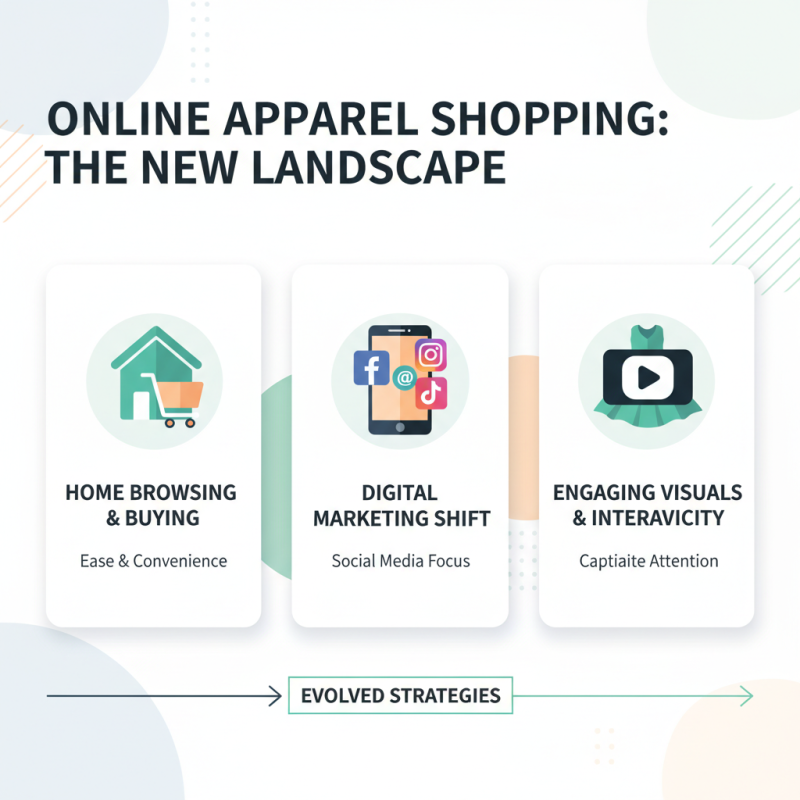
The online shopping landscape for apparel has seen a dramatic shift. Consumers now prefer the ease of browsing and purchasing from home. Digital fashion marketing strategies have evolved to meet these changing preferences. Brands leverage social media to showcase new collections. Engaging visuals and interactive content capture attention effectively.

However, challenges persist. Not all online platforms are user-friendly. Slow loading times can frustrate shoppers. High-quality images are essential, yet not all companies invest adequately in this. Additionally, the return policy can deter potential buyers. A confusing return process creates anxiety for online shoppers.

Personalization plays a crucial role. Tailored recommendations based on browsing behavior can enhance the shopping experience. Yet, data privacy remains a concern. Striking a balance between personalization and privacy is complex. Digital marketing must evolve continuously to maintain consumer trust. As trends shift rapidly, brands need to adapt or risk losing their audience.