Top 5 Private Apparel Trends You Need to Know Now?
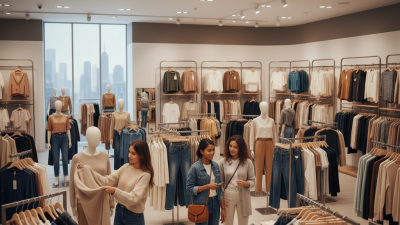
As the fashion industry continues to evolve, "Private Apparel" is emerging as a significant trend. This category represents a shift toward personalized clothing options and exclusivity. Shoppers increasingly seek unique pieces that reflect their individuality. Private apparel brands are addressing this demand by offering tailored designs and limited-edition collections.
The appeal of private apparel lies in its ability to connect with consumers on a personal level. Many brands leverage data to understand customer preferences better. This personalized approach fosters loyalty and enhances customer experiences. In this landscape, quality becomes non-negotiable. Consumers desire not just aesthetics, but also craftsmanship that stands the test of time.
While the trend is promising, challenges remain. The market is saturated with options, making differentiation crucial. Brands need authentic narratives to resonate with their audience. Innovation is vital, but so is a commitment to sustainability. As private apparel gains traction, it reflects changing consumer priorities. The future of fashion is about more than just clothing; it is about identity and connection.
Top 5 Private Apparel Trends You Need to Know Now
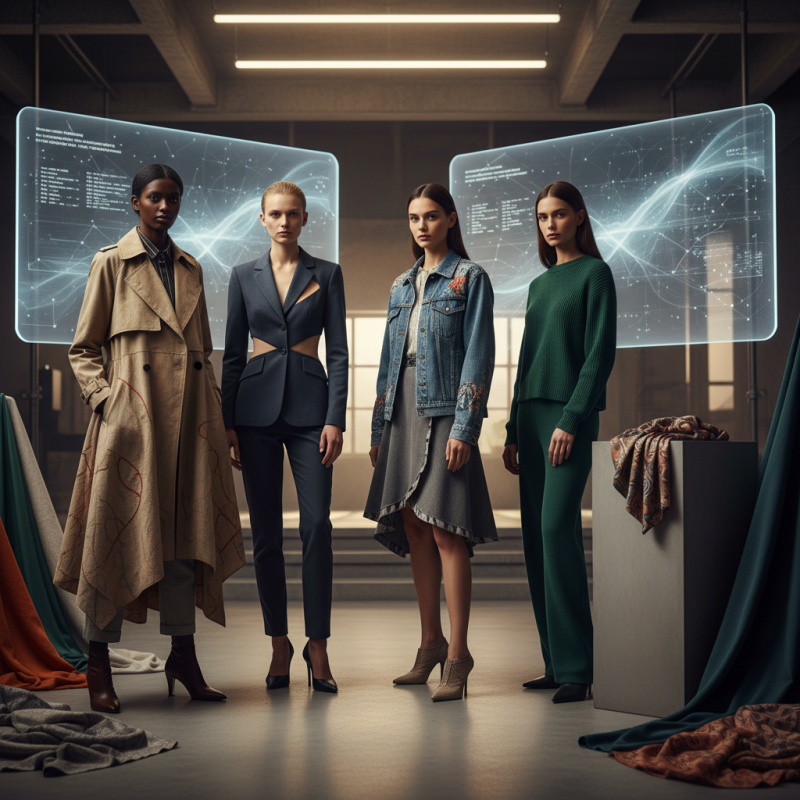
The private apparel sector is rapidly changing. Understanding current trends can give you a competitive edge. Consumers now prioritize quality, sustainability, and personalization in their clothing choices. These shifts are not just fleeting fancies; they reflect deeper values.
For many shoppers, the fabric of their clothes matters greatly. Innovative materials that are eco-friendly are in demand. Quality assurance is key. When consumers wear and feel the difference, they become loyal to a brand. Consider investing in research that explores sustainable alternatives. Customers appreciate transparency about sourcing.
Personalized shopping experiences enhance customer satisfaction. Data-driven recommendations can create a tailored experience. Customers want to feel unique. A personalized touch makes them more than just a transaction.
Exploring technology that offers customization can deepen engagement. Keep an eye on evolving consumer habits. Trends may shift, but the demand for thoughtful apparel remains constant. Reflecting on customer feedback is crucial. Adjusting strategies based on that input can lead to growth. It’s essential to remain adaptable, even in your best practices.
The Rise of Sustainable Materials in Private Apparel Collections
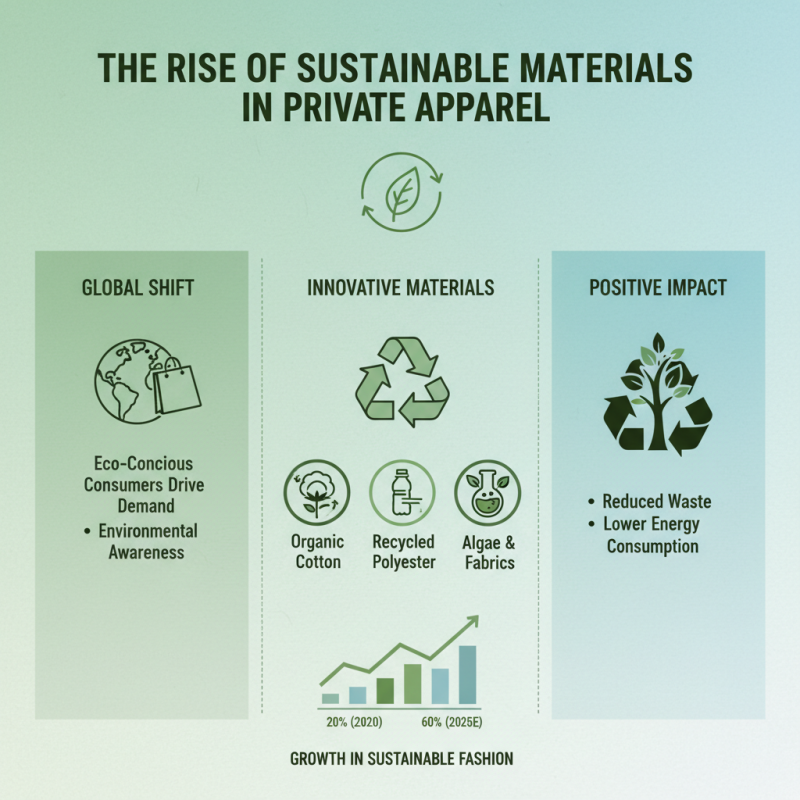
The private apparel industry is witnessing a transformation. Sustainable materials are becoming a focal point for brands looking to appeal to eco-conscious consumers. This shift is not just a trend; it reflects a growing awareness of environmental impact. Brands are integrating organic cotton, recycled polyester, and even innovative fabrics made from algae or hemp. These choices reduce waste and energy consumption significantly.
However, the journey toward sustainability is not without challenges. Sourcing sustainable materials can be complex and costly. Many brands struggle with consistency and transparency in their supply chains. There is also consumer skepticism about the true sustainability of some products. Educating customers about the benefits and limitations of sustainable fabrics is essential.
As this movement grows, the private apparel sector must remain adaptable. Companies should continuously seek out more sustainable options while communicating their strategies effectively. It’s a balancing act of innovation and honesty. The rise of sustainable materials pushes the industry toward a more responsible future, yet it invites a conversation about accountability and genuine commitment to sustainability.
Analyzing the Impact of E-commerce Growth on Private Apparel Sales
The rise of e-commerce has significantly transformed the private apparel sector. Online shopping provides consumers with vast choices. They can browse different styles, fabrics, and colors without leaving home. Moreover, customer reviews help buyers make informed decisions. This shift has pushed many traditional retailers to improve their online presence.
However, this growth comes with challenges. Not all brands are equipped for the digital landscape. Smaller companies often struggle to compete with larger entities. High operating costs for digital marketing and logistics can be daunting. These challenges necessitate innovative strategies to engage customers. Data analysis can help brands tailor their offerings effectively.
As e-commerce grows, consumer expectations evolve. Shoppers want personalized experiences and fast shipping. Brands must adapt quickly or risk losing relevance. Balancing quality with affordability is critical. Companies should reflect on their strategies to meet these shifting demands. Engaging customers through social media and feedback loops can enhance loyalty.
Consumer Demand Shifts: Personalization in Private Apparel Offerings
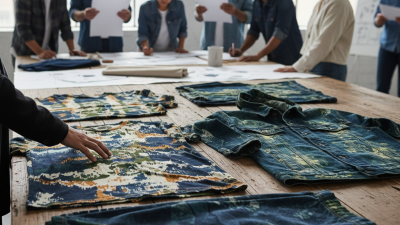
Personalization is changing the landscape of private apparel. Consumers seek unique clothing that reflects their individuality. They no longer settle for mass-produced items. Instead, they want exclusive designs and tailored options. This shift signals a growing desire for brands to engage customers on a personal level.
Private apparel offerings now focus on customizable features. From fabric choices to fit preferences, buyers have options. This trend fosters a deeper connection with products. However, challenges arise. Not all brands successfully implement personalization strategies. Many struggle to balance customization with cost and efficiency.
Feedback is crucial in this evolving market. Brands must listen closely to consumer preferences. Continuous adaptation will either strengthen or weaken their position. The goal is to create memorable experiences through unique apparel. In this competitive space, staying relevant requires ongoing reflection and effort.
The Role of Social Media Influencers in Private Apparel Marketing Strategies
Social media influencers are reshaping the landscape of private apparel marketing. Their reach and engagement create a unique platform for brands to connect with consumers. Many consumers trust influencers over traditional advertising. This shift is evident in how influencers curate content that resonates with their followers.
Authenticity is key. Influencers showcase clothing in real-life scenarios. This approach makes the apparel more relatable. However, it is essential for brands to partner with influencers who align with their values. Mismatched collaborations can backfire, leading to resentment from both the audience and the brand.
Content often appears polished, yet it can sacrifice transparency. Some influencers may present unrealistic expectations in their posts. This is where brands must remember their responsibility. Balancing aesthetic appeal with genuine representation is vital. Reflecting on these practices can enhance credibility in the eyes of consumers.
Brands should engage in meaningful conversations with their audience, ensuring the influencer’s voice remains genuine and trustworthy.
Conclusion
The article "Top 5 Private Apparel Trends You Need to Know Now" highlights key developments shaping the private apparel sector. One major trend is the rising adoption of sustainable materials, reflecting consumer awareness of environmental issues and a demand for ethical fashion. Additionally, the growth of e-commerce has significantly influenced sales patterns, pushing private apparel brands to enhance their online presence and optimize customer experiences.
Moreover, there is a marked shift towards personalization in private apparel offerings, as consumers increasingly seek unique styles that cater to their individual preferences. Social media influencers play a crucial role in marketing strategies, helping brands connect with target audiences through authentic engagement. Finally, navigating supply chain challenges remains a vital consideration for private apparel companies striving to maintain quality and efficiency in their operations.