Starting your own private label clothing business can be an exciting yet challenging endeavor in today’s fashion industry. As the demand for personalized and unique apparel continues to grow, understanding the intricacies of private label clothing becomes essential for aspiring entrepreneurs. Industry expert Susan Johnson, a leading consultant in fashion retail, emphasizes the importance of strategic planning by stating, “Success in private label clothing hinges on understanding not only your target market but also the entire supply chain process.” This insight highlights the need for a comprehensive approach to navigate through the complexities of sourcing, branding, and retailing.
In this article, we will explore the fundamental steps necessary to launch your own private label clothing line successfully. From identifying niche markets to establishing strong supplier relationships, every detail plays a crucial role in shaping your brand identity. With the right resources and guidance, you can create a clothing line that resonates with your target audience and stands out in a competitive marketplace. Whether you are a seasoned entrepreneur or a newcomer, grasping the essence of private label clothing will serve as a foundation for your business journey.
Identifying your niche in the private label clothing market is a crucial step toward establishing a successful business. A well-defined niche helps you stand out in a crowded marketplace and connect with a specific audience. Start by researching current trends and consumer needs within the fashion industry. Look for gaps in the market where demand is high but supply is limited. Whether it’s sustainable fashion, activewear, or plus-size clothing, choosing a niche that resonates with your passion and expertise will significantly increase your chances of success.
Tips: Conduct thorough market research using tools like surveys, social media insights, and fashion reports. Engage with potential customers to understand their preferences and pain points. This information can guide your product development and marketing strategies.
Once you’ve identified your niche, focus on building a brand that reflects your unique value proposition. Create a compelling story around your clothing line, and ensure that your branding elements—such as your logo, packaging, and website—align with your target market’s expectations. Remember, authenticity and a clear message can help foster a loyal customer base.
Tips: Leverage social media platforms to showcase your brand story and engage with your audience. Collaborate with micro-influencers who share your brand values to expand your reach and build credibility in your niche.

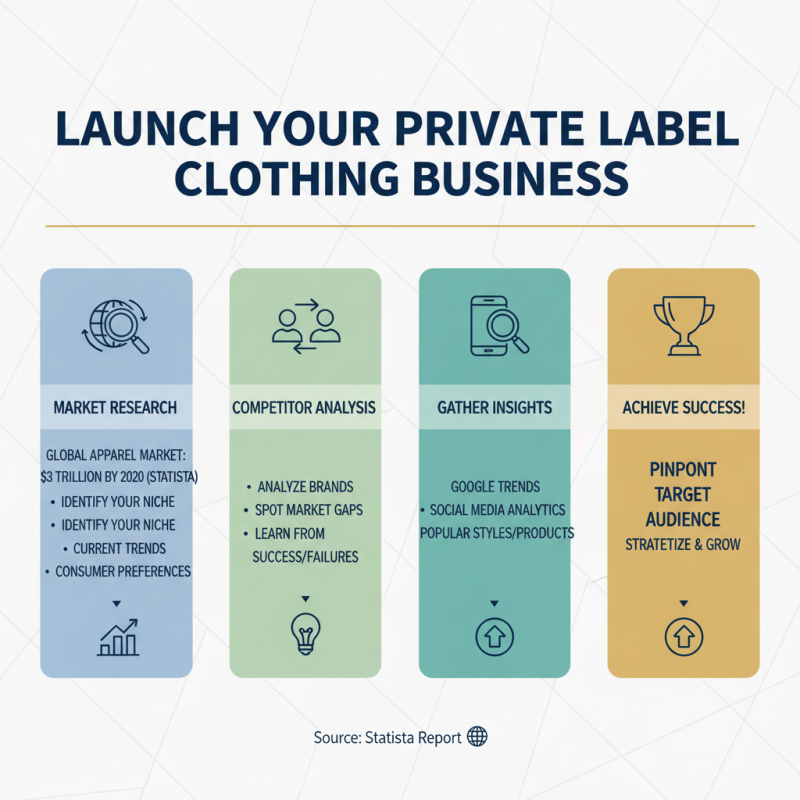
When starting your own private label clothing business, conducting thorough market research and analyzing your competition is essential for success. According to a report by Statista, the global apparel market is expected to reach $3 trillion by 2030, making it vital to pinpoint the niche that aligns with your vision. This involves understanding current trends, consumer preferences, and identifying gaps in the market. Utilize tools like Google Trends and social media analytics to gather insights into what styles and products are gaining popularity among your target audience.
Tips: Focus on customer demographics and psychographics to tailor your product offerings. Analyze customer reviews and feedback on competitors' products to identify areas for improvement and differentiation.
In addition to understanding market dynamics, competitive analysis should be a cornerstone of your strategy. Identify key players in your niche and scrutinize their marketing tactics, pricing strategies, and product designs. According to McKinsey & Company, brands that effectively analyze their competition can outperform their rivals by as much as 15%. Tools such as SWOT analysis can aid you in recognizing strengths, weaknesses, opportunities, and threats within the competitive landscape.
Tips: Keep track of competitors’ sales techniques and promotional activities. This will give you leverage to identify best practices while also allowing you to innovate in ways that set your brand apart.
Sourcing quality fabrics and manufacturers is a critical step in launching a successful private label clothing business. According to a report by Research and Markets, the global textile market is expected to reach USD 1 trillion by 2025, highlighting the immense potential for new entrants. Selecting the right manufacturer is essential to ensure that your clothing line meets both quality and design standards. It's vital to thoroughly research potential suppliers, reviewing their production capabilities, material options, and previous work to establish a reliable partnership.
When sourcing fabrics, consider the sustainability and ethical practices related to textile production. The Sustainable Apparel Coalition has reported that more than 90% of the environmental impact of a garment occurs during the raw material production phase. Therefore, opting for eco-friendly materials not only meets consumer demand for sustainability but also enhances the marketability of your brand. Attending trade shows and industry fairs can provide firsthand insights into the latest fabric innovations and foster relationships with potential manufacturers, ultimately contributing to the long-term success of your private label clothing venture.
Developing a strong brand identity is crucial for the success of your private label clothing business. Start by defining your target audience and understanding their preferences, values, and lifestyles. This knowledge will shape your brand’s voice, aesthetics, and overall message. Consider elements such as your brand’s mission and vision, which should resonate with customers on an emotional level. Craft a unique selling proposition that differentiates your clothing line from competitors; this could be the quality of materials, ethical production processes, or innovative designs.
Once your brand identity is established, it’s essential to create an effective marketing strategy. Utilize social media platforms to reach and engage your audience, showcasing your clothing line through eye-catching visuals and compelling narratives. Collaborating with influencers who align with your brand can amplify your reach and build credibility. Email marketing and content creation, such as blogs or styling tips, can also foster a community around your brand, attracting more customers. Consistency in branding across all platforms—be it your website, social media, or packaging—will reinforce your brand identity and enhance customer loyalty.
Setting up an effective e-commerce platform and distribution channels is crucial for the success of a private label clothing business. According to a recent report by Statista, global e-commerce sales are projected to reach $6.4 trillion by 2024, emphasizing the importance of having a robust online presence. A well-designed e-commerce platform provides users with an intuitive shopping experience, allowing customers to easily navigate through products, manage their carts, and complete transactions. Investing in a reliable e-commerce solution not only enhances customer satisfaction but also increases conversion rates. In fact, research from BigCommerce indicates that 78% of online shoppers abandon their carts due to poor user experience, underscoring the need for an optimized site.
In addition to a strong e-commerce platform, establishing efficient distribution channels is essential for meeting customer demands and ensuring timely delivery. A study by Deloitte found that 50% of consumers consider delivery speed as a key factor in their purchasing decisions. With options like drop shipping or partnering with fulfillment centers, private label businesses can optimize their supply chain management and maintain lower overhead costs. Utilizing data analytics tools can also help in forecasting demand and managing inventory effectively. By streamlining both the e-commerce operations and distribution logistics, private label clothing businesses can position themselves competitively in a growing market.
| Aspect | Description | Example Tools/Platforms |
|---|---|---|
| Niche Selection | Identify a specific clothing niche that interests you and has market demand. | Market research tools like Google Trends, Keyword Planner |
| Supplier Research | Find reliable manufacturers to produce your clothing line. | Alibaba, ThomasNet |
| E-Commerce Platform | Choose a platform to showcase and sell your products online. | Shopify, WooCommerce, BigCommerce |
| Branding | Create a unique brand identity, including logo, colors, and message. | Canva, Hatchful |
| Marketing Strategy | Develop a plan to reach your target audience through various channels. | Social media, email marketing, SEO tools |
| Distribution Channels | Set up how your products will be delivered to customers. | Fulfillment by Amazon, ShipBob |
| Customer Service | Implement processes for managing customer inquiries and orders. | Zendesk, Freshdesk |
| Analytics | Monitor and analyze website and sales performance to make data-driven decisions. | Google Analytics, Facebook Insights |