How to Start Your Own Private Label Clothing Brand in 2026?
Starting your own private label clothing brand in 2026 can be an exciting venture. The private label clothing industry offers great opportunities. As fashion expert Mark Fisher notes, “Finding your niche is key in private label clothing.” This highlights the importance of understanding your target market.
Building a brand requires strategic planning. Researching trends is essential. You need to identify what customers desire. Finding a reliable manufacturer is vital. Your product quality will reflect on your brand. This process isn't without challenges. You may face competition from established brands. It’s easy to feel overwhelmed.
In the world of private label clothing, everything is evolving. Consumer preferences shift quickly. It’s crucial to adapt and innovate. Although making mistakes is part of the journey, each misstep offers valuable lessons. Embrace the unpredictability. With patience and persistence, you can carve out your niche in this dynamic industry.

Understanding the Private Label Clothing Business Model
Understanding the private label clothing business model is crucial for aspiring entrepreneurs. This model allows you to sell clothing products that are manufactured by others but branded under your name. The key here is the relationship with manufacturers. It takes time to find the right partner.
Many start with a limited range of products. Choosing quality fabrics and ensuring a fit that appeals to your target audience is vital. Communication with your manufacturer may not always be smooth. Misunderstandings about specifications can occur. These challenges will require patience and adjustments.
Market research plays a significant role as well. Understanding your target market helps in deciding your brand's style and pricing. Trends shift rapidly in the fashion industry. Staying updated is essential but can be overwhelming. You might realize some designs don’t sell as expected. Learning from these experiences is part of the journey. Each mistake can lead to better decisions in the future.
How to Start Your Own Private Label Clothing Brand in 2026
| Dimension |
Details |
| Market Size |
$250 billion (estimated for 2026) |
| Average Production Cost |
$10 - $30 per item |
| Profit Margin |
40% - 60% |
| Typical Order Quantity |
300 - 1000 units |
| Marketing Channels |
Social Media, Influencers, Online Stores |
| Key Considerations |
Quality Control, Branding, Trend Adaptation |
| Target Audience |
Millennials and Gen Z |
| Initial Investment |
$5000 - $20,000 |
Identifying Your Target Market and Niche for Clothing
Identifying your target market is crucial for a private label clothing brand. According to a recent report by Statista, the global apparel market is projected to reach $2 trillion by 2026. This number highlights the immense opportunity, but also the intense competition. To succeed, you must define your niche. Consider demographics such as age, income, and lifestyle. For example, a young, eco-conscious demographic may favor sustainable materials.
Understanding trends is also key. Research shows that athleisure continues to grow in popularity, capturing over 30% of the market share in 2023. Brands must respond to this shift. Conduct surveys or focus groups to gather insights. Ask potential customers about their preferences in style and functionality. Analyzing social media trends and consumer behavior will provide invaluable data. However, do not overlook the importance of minding existing gaps in the market. Sometimes, reflection breeds innovation.
Over time, the preferences of consumers change. Staying adaptable is vital. Reports suggest that 70% of new clothing brands fail within the first year. It’s important to remain flexible and responsive. Strategy may need to adjust frequently to align with consumer expectations. Always welcome feedback and refine your offerings. Balancing creativity with market demands is essential for long-term success.
Sourcing Quality Fabrics and Manufacturers for Your Brand
When starting a private label clothing brand, sourcing quality fabrics is crucial. The right fabric can make or break your clothing line. Visit local markets and trade shows. Feel the textures and visualize your designs. Consider eco-friendly materials. They can appeal to conscious consumers.
Finding reliable manufacturers is the next step. Research potential partners online. Check reviews and testimonials. Communicate your specific needs clearly. Arrange samples to assess quality. Keep in mind that not all manufacturers will meet your expectations. Don’t hesitate to pivot if necessary. Developing a relationship takes time. Make sure it aligns with your brand values.
Price negotiation is often a tricky part. Be prepared for back-and-forth discussions. Understand the market rates for your fabrics to avoid being overcharged. Remember, quality may come at a higher price. Balancing cost and quality can challenge your budget. Focus on long-term advantages rather than short-term savings. It’s a process that requires patience and persistence.
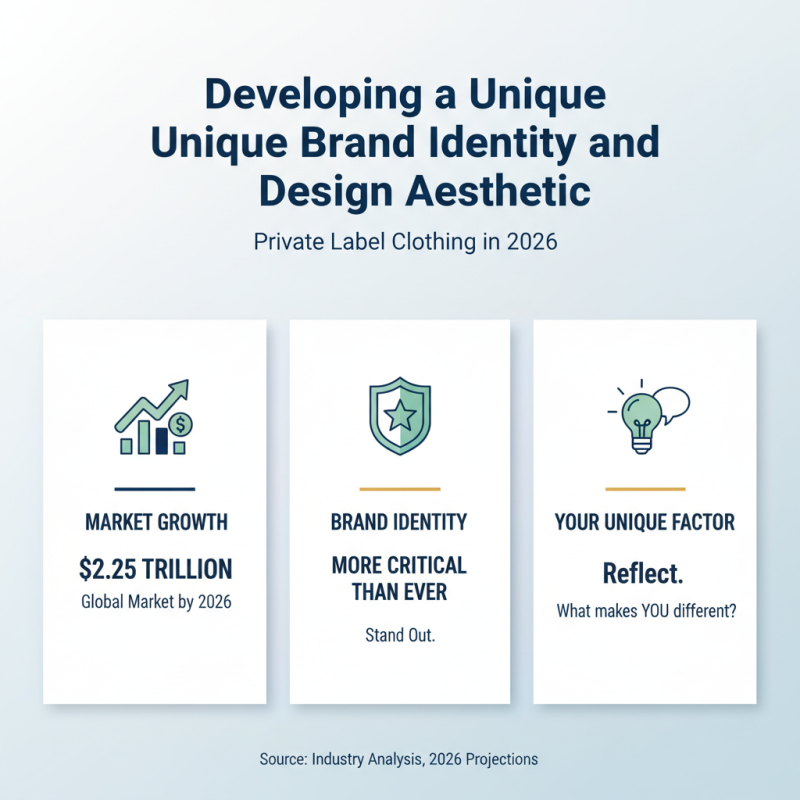
Developing a Unique Brand Identity and Design Aesthetic
Creating a unique brand identity is vital for a private label clothing brand. In 2026, this is more important than ever. The clothing industry has grown significantly, with the global market expected to reach $2.25 trillion by 2026. Standing out can feel daunting. You need to reflect on what makes your brand unique.
Developing a distinct design aesthetic helps shape your identity. Look at your target audience. What do they value? According to a recent survey, 70% of consumers prefer brands with a clear identity. Utilize colors, patterns, and materials that resonate with your audience. Think about textures and styles that evoke emotions. This approach can set you apart in a crowded market.
Tips: Engage with your audience on social media. Get feedback on your designs. This interaction can fine-tune your aesthetic. Also, explore collaborations with local artists. This offers fresh perspectives and diversifies your brand's appeal. Reflect on your design choices. Are they too trendy or relevant long-term? Finding that balance can be challenging but rewarding. Embrace experimentation. Not all designs will succeed, and that's okay. Learn from what doesn’t work.
Creating a Marketing Strategy to Promote Your Clothing Line
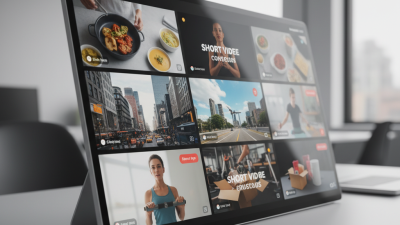
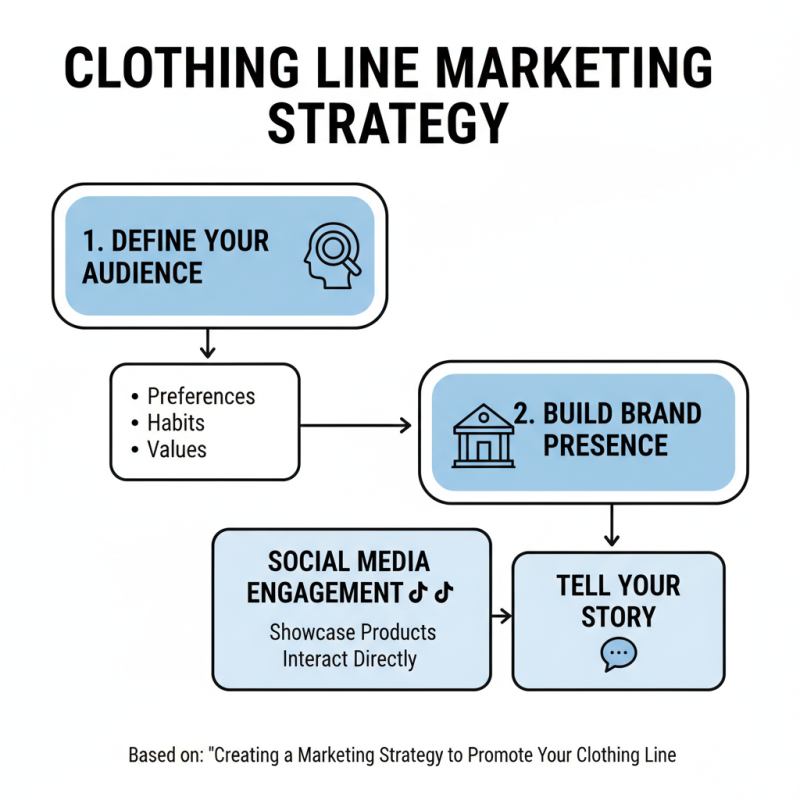
Creating a marketing strategy for your private label clothing brand is essential. It sets the groundwork for your brand’s presence. Understand your target audience well. Dive deep into their preferences, habits, and values. Use social media to engage with them directly. Platforms like Instagram and TikTok can showcase your clothing line effectively.
Visual content is crucial. High-quality photos and videos that highlight your clothing will attract attention. Consider storytelling too. Share the inspiration behind your designs. This connection can build loyalty. Collaborations with influencers could amplify your reach, but choose wisely. Ensure their audience aligns with your brand values. Reflect on how these partnerships will impact your image.
Monitoring your marketing efforts is necessary. Analyze what works and what doesn’t. Are you achieving engagement and sales? If not, adjust your strategy. Perhaps your messaging is unclear, or your visuals aren’t appealing enough. Learning from missteps is vital. Embrace feedback and iterate your approach continually. That’s how you grow in this competitive landscape.