Top Private Label Clothing Trends at 2026 Canton Fair?
The 2026 Canton Fair is set to showcase emerging trends in Private Label Clothing. As the demand for customized apparel rises, brands seek innovative ways to stand out. The global private label market was valued at approximately $200 billion in 2022 and is expected to grow steadily. Companies must explore new designs and eco-friendly materials to meet consumer preferences.
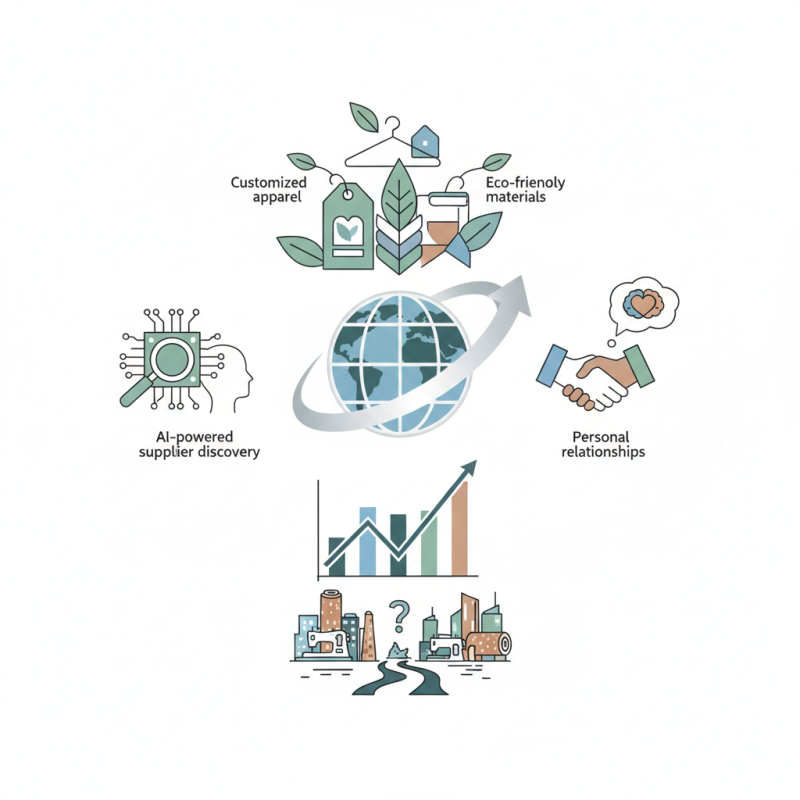
At the fair, AI-powered features will streamline supplier discovery. This technology allows buyers to efficiently locate suppliers with certifications like ISO and CE. Efficient navigation in the vast 1.55 million square meters of exhibition space is crucial for successful sourcing. However, it's important to reflect on the challenges of over-reliance on technology. Personal relationships still matter in this industry.
Moreover, the essence of Private Label Clothing lies in its uniqueness. Many brands struggle to create fresh, appealing designs that resonate with their target audience. Quality remains a persistent challenge. The fair will likely highlight successes and failures within this competitive market. Analyzing these aspects will help brands better adapt and thrive in the evolving landscape.
Emerging Sustainable Practices in Private Label Clothing Industry
Emerging sustainable practices in the private label clothing industry are reshaping consumer expectations. A recent report by McKinsey indicates that over 67% of consumers prefer brands that prioritize sustainability. This shift pushes manufacturers to adopt eco-friendly fabrics and production methods. Organic cotton and recycled polyester are in high demand.
Many brands struggle with transparency in sourcing. Consumers want to know where materials come from. A study reveals that 72% of shoppers would pay more for ethically sourced apparel. However, achieving this can be complex for small to mid-sized companies. They often lack the resources for extensive supply chain audits.
Tips: Focus on educating your team about sustainable practices. Knowledge can guide better decisions in sourcing materials. Partner with local suppliers to reduce carbon footprints. Lastly, be transparent with your customers. It builds trust and encourages loyalty in a competitive market.
Top Private Label Clothing Trends at 2026 Canton Fair - Emerging Sustainable Practices in Private Label Clothing Industry
| Trend |
Description |
Sustainability Impact |
Market Adoption (%) |
| Organic Materials |
Use of 100% organic cotton and other materials grown without synthetic pesticides. |
Reduces chemical usage and supports biodiversity. |
45% |
| Recycled Fabrics |
Incorporating materials made from recycled plastics and textiles. |
Lowers waste and promotes circular economy. |
35% |
| Ethical Labor Practices |
Commitment to fair wages and safe working conditions for workers. |
Enhances social sustainability and brand reputation. |
60% |
| Local Sourcing |
Sourcing materials and production closer to the market. |
Reduces carbon footprint due to shorter transport distances. |
50% |
| Biodegradable Textiles |
Use of fibers and textiles that naturally decompose. |
Minimizes environmental impact after disposal. |
30% |
Innovative Fabrics and Materials Showcased at the Canton Fair
The Canton Fair in 2026 will feature groundbreaking innovations in fabrics and materials. Attendees can expect to see textiles that are not just functional but also sustainable. Industry reports suggest that the market for sustainable fabrics is set to grow by 30% over the next five years. This trend is driven by increasing consumer demand for eco-friendly options, pushing manufacturers to innovate.
Notable materials include bio-based fabrics and recycled textiles. These options offer durability while reducing environmental impact. For example, some companies are showcasing fabrics made from plastic waste, effectively addressing pollution. The blend of aesthetics and sustainability is reshaping the fashion landscape.
Tips: Consider exploring biodegradable options in your private label clothing line. It's crucial to stay informed about advances in fabric technology. Networking at events like the Canton Fair can spark creative ideas. Embracing these trends can set your brand apart but requires a commitment to continuous learning and adaptation. Be alert; the landscape is fast-changing and requires agility.
Popular Design Aesthetics for Private Label Clothing in 2026
In 2026, the Canton Fair showcases diverse design aesthetics in private label clothing. Minimalism reigns supreme, embodying simplicity and elegance. Think clean lines paired with neutral palettes. This trend promotes versatility. Many consumers appreciate the ease of styling minimalist pieces. Yet, it might feel a bit too bland for some.
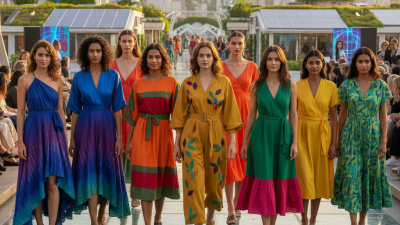
Bold patterns make a comeback. Vibrant colors and eclectic designs capture attention. This aesthetic invites creativity and self-expression. However, not everyone will embrace this loudness. Some shoppers may find it overwhelming. Balancing boldness and wearability is key.
Sustainable clothing is another hot trend. Consumers are more aware of their choices. Eco-friendly fabrics lead the way. While this aligns with market demand, the availability of sustainable options can be a challenge. The push for originality must not ignore quality and sustainability. Finding that balance may require ongoing reflection and adaptation.
Consumer Trends Influencing Private Label Clothing Choices
The private label clothing market is witnessing significant shifts due to evolving consumer preferences. Reports indicate that nearly 70% of shoppers prioritize sustainability. They seek brands that emphasize eco-friendly materials and responsible production methods. This trend has reshaped how private label clothing manufacturers approach their sourcing and design processes.
Another critical factor is the increasing demand for personalization. Nearly 55% of consumers are willing to pay more for customized options that reflect their individuality. Brands are investing in technology to offer personalization, but some still struggle to meet these expectations. This gap presents a challenge for those looking to capture a larger market share in private label clothing.
Consumer interest also leans heavily toward athleisure and comfort-driven apparel. Statistically, around 68% of buyers consider comfort as a non-negotiable feature. This insight informs the designs and fabrics used in private label lines. Yet, not all brands have adapted swiftly, leading to missed opportunities. As consumer expectations evolve rapidly, there’s a clear call for brands to reflect these changes in their offerings.
Top Private Label Clothing Trends at 2026 Canton Fair
Key Players and Brands to Watch in the Private Label Market
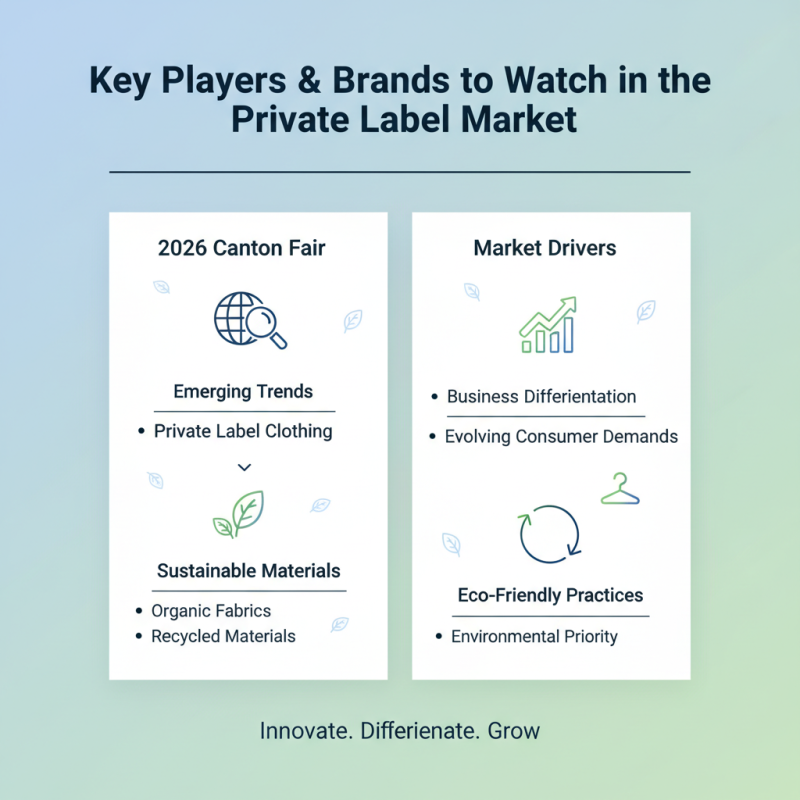
The 2026 Canton Fair is set to spotlight emerging trends in the private label clothing market. As businesses strive for differentiation, many are exploring sustainable materials. This focus on eco-friendly practices is not just a trend; it reflects changing consumer demands. Shoppers increasingly seek brands that prioritize the environment. Incorporating organic fabrics or recycled materials is a smart move.
Key players in this evolving landscape are innovating rapidly. Startups and established companies are adapting to these shifts. While some designers excel, others struggle to keep pace. Quality and design remain paramount, but brand identity is crucial too. Companies showcasing unique styles are likely to capture attention.
Networking at the fair plays a significant role. Collaborations can spur growth and creativity. However, not every partnership flourishes; some may fall flat. Understanding market trends and consumer preferences will be vital. Companies must stay agile. In this competitive scene, falling behind can be detrimental. Engaging with new ideas is essential to thrive in the private label realm.