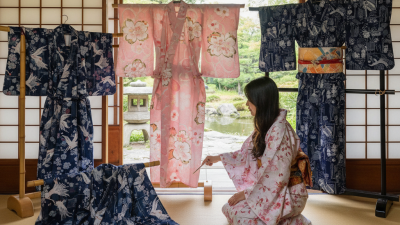
Choosing the right Japanese Yukata Robes is both an art and a science. These traditional garments are not just clothing but a reflection of culture and style. Each Yukata tells a unique story through its fabric, color, and design. Selecting the perfect one requires an understanding of its history and craftsmanship.
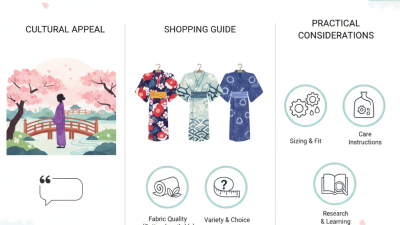
When shopping for Japanese Yukata Robes, it's essential to consider fabric quality. Light cotton is ideal for summer, while heavier fabrics suit cooler weather. The patterns can range from simple to intricate, each representing various themes. Additionally, size and fit play a crucial role in comfort and appearance. Many find it challenging to choose between modern styles and classic designs.
Reflecting on personal style can guide your choice. Consider how the Yukata will be worn—during festivals or at home. It’s also wise to think about the care and maintenance of these robes. Some styles may require more delicate handling. Choosing wisely ensures that your Japanese Yukata Robes will not only fit well but also enhance your wardrobe for years to come.
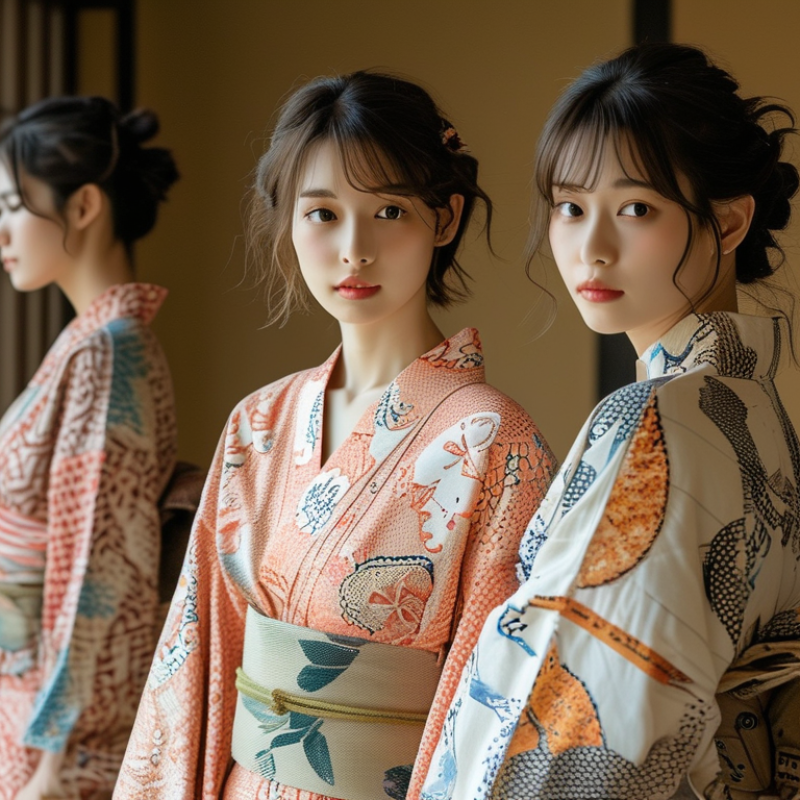
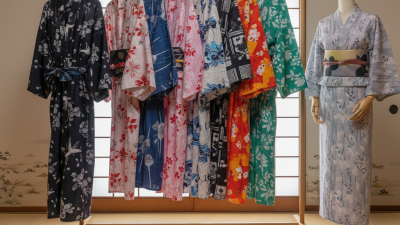
Japanese yukata robes are a beautiful blend of tradition and comfort. Understanding the basics can enhance your selection process. Yukata are lightweight, casual garments worn during summer festivals and events. They are made from cotton, making them breathable and easy to wear. The fabric allows for comfort in warm weather. Look for vibrant colors and patterns; they reflect seasonal changes and personal style.
Fitting is also crucial. Yukata come in various sizes, so it's essential to know your measurements. A well-fitting yukata enhances your overall appearance and comfort. Pay attention to the sleeve length and waist size. Many people struggle with the right length, often choosing one that's either too long or too short.
Care for your yukata is basic yet significant. Always follow the washing instructions carefully to maintain the fabric's quality. Improper care may lead to fading or damage. Reflect on your choices after wearing the yukata; think about what styles or fits felt the best. This can guide future purchases and help you appreciate this traditional attire more deeply.
This chart displays the importance level of various factors to consider when choosing Japanese Yukata robes. Each factor is rated on a scale from 1 to 10, highlighting what aspects are most significant in the selection process.
When selecting a Japanese yukata robe, fabric choice plays a crucial role. A good material affects comfort and style. Cotton is a popular option, lightweight and breathable. This is ideal for warmer months. However, it can wrinkle easily. Choosing a blend could mitigate this issue.
Silk offers a luxurious feel and elegant appearance. It drapes beautifully and feels soft against the skin. Yet, it requires delicate care and may not be suitable for casual use. A blend of cotton and silk provides the best of both worlds. It offers comfort while maintaining a sophisticated look.
Consider the weight of the fabric. Heavier fabrics provide warmth, making them suitable for cooler seasons. However, they might be stifling in hot weather. Lighter options are better for relaxation. Pay attention to the weave. A tight weave offers durability, while a looser one enhances breathability. Each decision influences your overall experience, so take the time to evaluate your preferences.
Choosing the right size for your yukata is crucial for comfort and style. Yukata robes are designed to drape elegantly on the body. An ill-fitting yukata can lead to discomfort, distracting from the overall experience. To find the perfect fit, consider your height and weight. Measure yourself carefully. Often, a size chart from reputable sources can guide you. Remember, you may need assistance tying the obi correctly for an optimal look.
The fabric of a yukata can influence how it feels. Lightweight cotton is breathable, ideal for summer wear. However, if you prefer something heavier, look for thicker options. When you try on a yukata, move around. Raise your arms, twist your torso. Ensure it flows with your movements. It can be disheartening to discover that your first choice doesn’t suit you, but this process helps refine your preferences.
It’s also helpful to remember that sizes might vary by design. A yukata may fit differently based on the cut or style. Don’t hesitate to experiment with sizes. Trying a couple of options may enhance your experience. Embrace the journey of finding what feels right for you!
Japanese yukata robes are not just garments; they are rich in cultural significance. Each pattern tells a story, reflecting aspects of nature, seasons, and emotions. For example, the cherry blossom motif symbolizes renewal and the fleeting nature of beauty. When choosing a yukata, understanding these symbols can deepen your appreciation for this traditional attire.
Many patterns have historical roots. For instance, the waves symbolize resilience and strength in the face of adversity. This connection to nature is essential in Japanese culture, as it fosters a sense of harmony and respect for the environment. Some designs might feel overwhelming at first, especially for those unfamiliar with their meanings. Patience and curiosity can help in unraveling these intricate tales.
When selecting your yukata, consider the symbolism behind each pattern. Notice what resonates with you personally. Maybe the crane pattern, which represents longevity, speaks to your values. It’s vital to reflect on what you wish to convey through your choice of yukata. The colors and patterns should resonate with your personality and life experiences, making your yukata truly unique.
| Tip | Description | Traditional Pattern | Symbolism |
|---|---|---|---|
| 1. Choose the Right Fabric | Select cotton for comfort in summer. | Asanoha ( hemp leaf ) | Symbolizes growth and resilience. |
| 2. Consider Color | Choose colors that suit your skin tone. | Kiku ( chrysanthemum ) | Represents rejuvenation and longevity. |
| 3. Know the Occasion | Select yukata appropriate for festivals or casual use. | Seigaiha ( wave pattern ) | Symbolizes peace and good luck. |
| 4. Understand Size Options | Ensure a comfortable fit, slightly oversized is traditional. | Uroko (scale pattern) | Represents protection and safety. |
| 5. Explore Patterns | Patterns tell stories; choose one that speaks to you. | Tsubaki ( camellia ) | Symbolizes courage and love. |
| 6. Check Craftsmanship | Look for fine stitching and attention to detail. | Mizuhiki (water knot) | Represents connection and harmony. |
| 7. Think About Accessories | Consider which obi and other accessories to match. | Hanabira ( petals ) | Symbolizes beauty and grace. |
| 8. Pay Attention to Seasons | Some colors and patterns are seasonal, choose wisely. | Sakura ( cherry blossoms ) | Symbolizes the fleeting nature of life. |
| 9. Consider Personal Style | Your yukata should reflect your personal taste. | Kikkō ( turtle shell ) | Symbolizes longevity and good fortune. |
| 10. Follow Care Instructions | Proper care ensures the longevity of your yukata. | Aizome ( indigo dye ) | Represents peace and calmness. |
Taking care of your Yukata is essential for preserving its beauty and longevity. These traditional Japanese robes are delicate and need gentle handling. One crucial tip is to wash your Yukata in cold water. Hot water can cause colors to bleed and fabrics to shrink. Always use a mild detergent. A gentle, fragrance-free option is best.
After washing, hang your Yukata to air dry. Avoid the dryer, as heat can damage the fabric. Be mindful of direct sunlight. Overexposure can fade colors. You want your Yukata to maintain its vibrant appearance.
Regular maintenance is important too. If you notice any stains, treat them immediately. Dab with a soft cloth instead of rubbing. Sometimes, a simple spot clean is enough. Remember, Yukatas should be stored in a cool, dark place. Proper care enhances their beauty and your enjoyment.