Why Choose Private Apparel for Your Fashion Needs?
In today's fashion landscape, "Private Apparel" stands out for its unique offerings. The blend of quality and individuality attracts many discerning shoppers. People seek clothing that reflects their personal style and values. Private apparel brands often deliver this by focusing on craftsmanship and design.
These brands tend to prioritize customer experience. They engage with consumers, listening to their needs and preferences. This relationship cultivates loyalty, making shoppers feel valued. On the flip side, not all private apparel brands meet these expectations. Some may lack variety, leading to disappointment for their customers.
Furthermore, the pricing of private apparel can sometimes raise eyebrows. While many justify higher costs with superior materials, others question the added value. This inconsistency may prompt shoppers to reconsider their choices. Ultimately, the decision to choose private apparel should stem from a mix of personal taste and practicality. Each garment tells a story, and the choice reflects who we are.

The Benefits of Private Apparel in the Fashion Industry
Private apparel offers distinct advantages that cater to diverse fashion needs. One significant benefit is personalization. When you choose private apparel, you often have more control over designs and materials. This means you can express your style without limitations. Imagine selecting unique patterns, colors, and fits that truly represent you. It adds a personal touch that mass-market brands may lack.
Another key advantage is quality. Private apparel is often crafted with greater attention to detail. You might find well-stitched garments that hold up over time. In contrast, mass-produced items may prioritize low costs over quality. Think about the difference between a cheaply made shirt and one that's tailored to your specifications. This focus on durability and craftsmanship can lead to cost savings in the long run.
However, there are challenges to consider. Sourcing materials can be tricky. Finding suppliers who align with your quality standards isn't always simple. Additionally, production timelines can become longer than expected. These factors require careful planning and reflection. Balancing creativity with practicality is crucial when venturing into private apparel. Taking these steps can ultimately elevate your fashion experience.
Why Choose Private Apparel for Your Fashion Needs? - The Benefits of Private Apparel in the Fashion Industry
| Benefit |
Description |
Impact on Customers |
| Customization |
Private apparel allows brands to create unique styles tailored to specific customer preferences, enhancing personal expression. |
Increased customer loyalty as consumers feel special and valued. |
| Quality Control |
Direct oversight of production processes ensures higher quality standards compared to mass-produced items. |
Greater satisfaction among customers due to durable and well-made products. |
| Market Flexibility |
Private brands can quickly adapt to market trends and consumer demands without the restrictions of larger companies. |
Faster access to the latest styles attracts trend-conscious buyers. |
| Cost Efficiency |
By cutting out the middleman, private apparel can offer competitive pricing. |
Customers enjoy better prices for high-quality apparel. |
| Brand Identity |
Developing a private label allows businesses to establish their own brand identity in a crowded market. |
Creates a loyal customer base that identifies and connects with the brand values. |
Quality and Craftsmanship in Private Apparel
Choosing private apparel can greatly enhance your wardrobe. The quality of these garments is often exceptional. Each piece is crafted with care and attention to detail. Artisans put their skills to work in every stitch. This dedication delivers items that last longer than mass-produced options.
Craftsmanship in private apparel stands out distinctly. For instance, custom fits can make a huge difference. A well-fitted jacket can elevate your look. It’s not just about wearing clothes; it’s about feeling confident. However, this approach requires local tailoring knowledge and skills. Not all private brands maintain consistency in quality. It’s a journey of trial and error to find the right one.
Investing in private apparel can sometimes be daunting. Prices might not align with every budget. There can be mistakes along the way, like choosing the wrong size. But each piece carries a story and a unique character. The craftsmanship nurtures a sense of connection between the wearer and the maker. With a little patience, the rewards can be immense.
Customization Options for Unique Fashion Styles
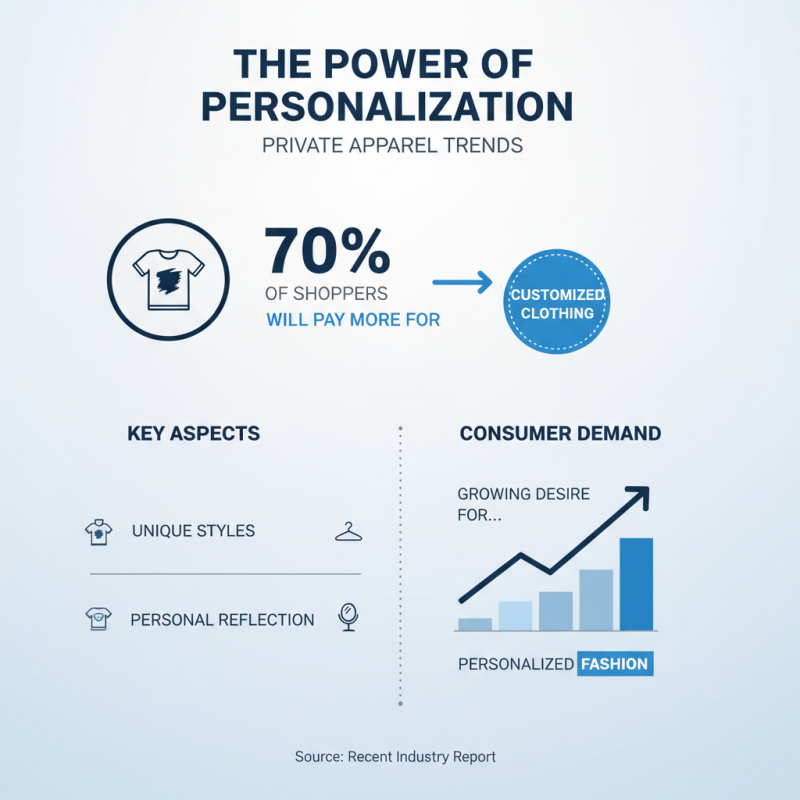
Customization is a key aspect of private apparel. Many consumers prefer unique styles that reflect their personality. According to a recent industry report, 70% of shoppers are willing to pay more for customized clothing. This statistic highlights a growing demand for personalized fashion options.
Private apparel brands often provide various customization options. Shoppers can choose colors, patterns, and fabrics. Some companies even allow clients to design their own garments from scratch. This level of personalization can turn a basic outfit into a fashion statement. However, finding the right service can be challenging. Not all companies offer quality personalization.
Tip: Research brands to see their customization processes. Check for customer reviews to avoid disappointments. Also, consider starting small with one item to test the quality.
Another factor is how customization can affect production time. Personalized clothes may take longer to arrive than mass-produced items. Some customers find the wait frustrating, especially when they have events approaching. A mindful approach is to plan ahead. Being aware of the timelines can lead to more satisfying experiences.
Tip: Use timeline planning when ordering custom apparel. It will ensure your items arrive when needed, without last-minute stress. While customization offers unique benefits, it also presents challenges to navigate.
Cost-Effectiveness of Choosing Private Apparel
When considering fashion, cost-effectiveness is crucial. Private apparel offers a solution that many overlook. According to a recent industry report, private label clothing accounts for 18% of the total market share in the apparel sector. This number is growing annually as consumers seek quality and affordability.
One significant advantage of private apparel lies in its pricing structure. Retailers can reduce overhead costs by consolidating manufacturing. The result? Lower prices for customers. A study revealed that private label items can be up to 30% cheaper than brand-name equivalents. This cost-saving aspect is particularly appealing to budget-conscious shoppers.
Tip: Always compare private label products with branded ones. Evaluate quality, design, and price. Sometimes, private apparel provides better value.
However, choose wisely. Not all private apparel is equal. Quality can vary, and some garments may lack durability. A survey showed that 40% of consumers experienced issues with fit or fabric in private label purchases. Research brands and read reviews to ensure you’re choosing wisely.
Tip: Check return policies before buying. If the fit isn’t right, it’s vital to have options. Prioritize brands that offer hassle-free returns.
Cost-Effectiveness of Choosing Private Apparel
This chart illustrates the cost components associated with private apparel production. As shown, while private label costs can be higher due to control and customization, they can lead to significant savings in other areas such as marketing and retail markup, demonstrating the overall cost-effectiveness of choosing private apparel for your fashion needs.
Sustainability Practices in Private Apparel Brands
The fashion industry often faces scrutiny for its environmental impact. Private apparel brands are stepping up to change that narrative. These brands prioritize sustainability in their practices. They utilize eco-friendly materials that reduce waste and pollution. This approach is gaining traction among conscious consumers.
Many private apparel brands work to create transparent supply chains. They often source fabrics that are organic or recycled. This helps minimize their carbon footprint. However, the challenge remains in ensuring all materials are sustainably sourced. Brands sometimes struggle with maintaining this commitment as they scale. This creates questions about the true sustainability of their practices.
Additionally, some private brands implement ethical labor practices. They often prioritize fair wages and safe working conditions. Yet, it's essential to verify these claims. Not every brand meets these standards consistently. Consumers must stay informed and keep brands accountable for their commitments. There is a long way to go in achieving true sustainability.