Why Choose Private Apparel for Your Brand Success?
In today's competitive fashion landscape, "Private Apparel" has emerged as a strategic choice for brand success. The private label market is expected to reach $200 billion by 2025, according to a recent report by Statista. This growth reflects an increasing number of brands opting for customization and control over their product offerings. By focusing on unique designs and quality, companies can create a strong identity that resonates with consumers.
Moreover, brands embracing Private Apparel can enjoy better profit margins. A McKinsey study indicates that private labels typically offer margins 20-30% higher than national brands. This can create sustainable growth for businesses willing to invest in their brand story and customer relationships. However, the challenge lies in balancing cost, quality, and brand perception.
Despite these advantages, brands must remain cautious. Poor-quality private apparel can significantly damage reputation. Investing in reliable manufacturers and maintaining strict quality control are crucial. The potential for success with Private Apparel is immense, but brands must navigate these complexities carefully to truly thrive.

Advantages of Private Apparel for Brand Differentiation
Private apparel offers distinct advantages for brands seeking to stand out in a saturated market. Customization is a powerful tool. Brands can define their unique identity. Unique fabrics, colors, and designs create memorable impressions. This personal touch resonates with consumers. They feel connected to the brand’s vision.
Differentiation is crucial for success. Private apparel allows for bold choices. Brands can experiment with trends and styles that reflect their ethos. This sets them apart from competitors who rely on generic options. Small batches can enhance exclusivity. Limited editions create urgency and desire among consumers. Brands can gauge customer preferences before mass-producing items.
However, this approach isn’t without challenges. Developing private apparel requires careful planning. Designers must ensure quality and consistency. Not every design will resonate with the public. Feedback loops are essential for improvement. This iterative process can foster creativity but may lead to missteps. It’s a balancing act between innovation and consumer expectations. Brands must be willing to adapt and refine their offerings continuously.
Understanding the Customization Opportunities with Private Apparel
Private apparel offers unique customization options that can elevate a brand’s success. Unlike mass-produced clothing, private apparel allows brands to create tailored designs that resonate with their target audience. This approach enables businesses to choose colors, materials, and styles that reflect their brand identity vividly.
Customization goes beyond aesthetic appeal. It can enhance customer loyalty. When consumers feel a personal connection to a product, they are more likely to return. Brands should consider incorporating elements like custom logos or unique embellishments. However, it’s essential to strike a balance. Over-customization can lead to production delays or increased costs, affecting overall profitability.
Engaging in private apparel also means understanding market trends. Brands must remain flexible and adapt designs based on consumer preferences, which can sometimes be unpredictable. This requires a commitment to continuous learning and adjustment. While the opportunity for unique branding is vast, brands must also reflect on their production processes to ensure they remain sustainable and efficient.
Cost-Effectiveness of Private Label Apparel for Emerging Brands
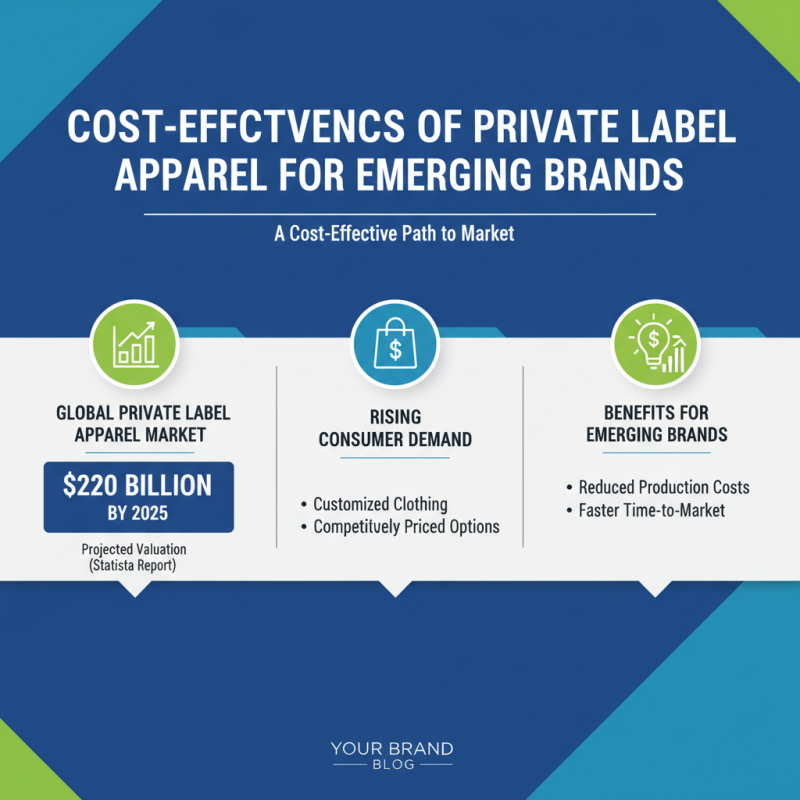
Private label apparel offers emerging brands a cost-effective path to market. According to a report by Statista, the global private label apparel market is projected to grow significantly, reaching a valuation of over $220 billion by 2025. This growth reflects a rising consumer demand for customized and competitively priced clothing options.
The key advantage for emerging brands lies in the reduced production costs. When opting for private label options, brands can save up to 30% on production compared to traditional branded apparel, as noted in a recent analysis by the Private Label Manufacturers Association. This cost reduction allows brands to invest more in marketing and building brand identity, crucial for gaining consumer trust.
Tip: Focus on quality. Choosing the right fabric and ensuring solid construction can help set your brand apart.
However, relying solely on private label apparel can lead to identity inconsistencies. It’s easy for a brand to lose its unique voice if it doesn’t maintain clear guidelines for design and marketing. Brands must reflect carefully on their identity while sourcing these products.
Tip: Regularly assess your product's alignment with your brand values. This reflection helps maintain authenticity in your offerings.
Building Brand Loyalty Through Unique Apparel Offerings
In today's crowded market, unique apparel offerings can significantly enhance brand loyalty. Customized apparel connects customers with a brand on a personal level. When consumers feel a connection, they're more likely to remain loyal. Unique designs show that a brand understands its audience, which builds trust.
Tips for success include focusing on quality. High-quality fabrics and well-executed designs draw customers in. Also, consider limited-edition releases. They create a sense of urgency and exclusivity, prompting quicker purchases. Another tip is to engage with your community. Listen to feedback about design and fit. This can lead to improvements and reinforce a sense of belonging.
Transparency matters. Share insights into your design process and sourcing. People appreciate knowing the story behind their apparel. Aim to create a dialogue, not a monologue. This approach fosters loyalty through a shared experience. It’s a journey of understanding, and not all steps will be perfect. However, embracing imperfections can lead to valuable insights for future collections.
Navigating the Supply Chain for Successful Private Apparel Launches
Navigating the supply chain for private apparel can be challenging. A successful launch depends on understanding each step in the process. Connecting with trusted suppliers is vital for quality. Your choices here directly impact your brand image. Initial negotiations can be confusing. Always ensure you have clarity on pricing and timelines.
Tips: Establish clear communication with suppliers. This helps avoid misunderstandings down the line. Regular updates will keep everyone aligned.
Shipping logistics are another crucial aspect. Delays can happen, and they might affect your launch. Understanding potential bottlenecks early on can save time. Monitor your shipments closely. That way, you can address issues promptly.
Tip: Create a contingency plan. Anticipate delays by having backup suppliers ready. This foresight can minimize disruptions.
Reflect on sourcing practices. Consider the ethical implications of your materials. Consumers are increasingly concerned about sustainability. Balancing cost and ethics can be tricky but is necessary for long-term success. Prioritize transparency in your supply chain.