How to Choose the Perfect White Label Pants for Your Brand?
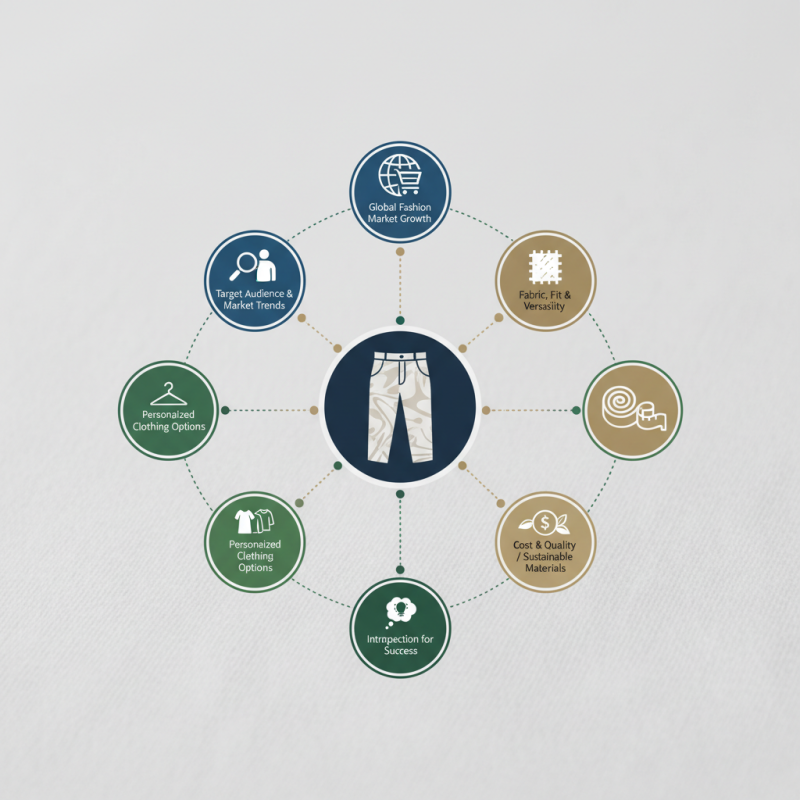
In the competitive fashion industry, choosing the right White Label Pants can significantly impact your brand's success. According to a recent report by Allied Market Research, the global ethical fashion market is projected to reach $8.25 billion by 2023. This shift towards customization highlights the growing demand for White Label products.
Selecting the perfect White Label Pants requires careful consideration. You must analyze your target audience and market trends. A study from Statista shows that 63% of consumers prefer personalized clothing options. Your brand must align with these preferences to thrive.
However, it’s not just about style; functionality matters too. The fabric, fit, and versatility can determine how your product is received. There's an ongoing challenge in balancing cost and quality. Some brands struggle with sourcing sustainable materials that meet their ethical standards. This introspection is vital for long-lasting success in a crowded market.
Understanding White Label Pants and Their Benefits
White label pants have gained popularity among businesses seeking to expand their product lines without heavy investments. Understanding the advantages of these garments can help brands make more informed decisions. According to industry reports, 67% of retailers prefer sourcing white label products to enhance their offerings quickly. This approach allows brands to focus on marketing and sales rather than production complexities.
The benefits of white label pants extend beyond mere convenience. Brands can tap into established quality and materials, ensuring that their products meet customer expectations. A report by the Apparel Industry Association indicates that 55% of consumers prioritize quality over brand names. This shift in consumer behavior emphasizes the importance of offering well-made garments.
However, not all white label options deliver the same value. Some manufacturers may cut corners, impacting fit or durability. Brands should ask for samples and assess fabric quality carefully. Only 30% of small businesses actively test their white label products before launch. This gap presents a significant opportunity for brands willing to ensure quality and differentiate themselves in a crowded market. Investing time in understanding these dynamics is essential for success.
Identifying Your Brand’s Unique Style and Target Audience
When selecting white label pants for your brand, recognize your unique style. Start by reflecting on what sets your brand apart. Is it the fabric, fit, or design? Knowing this will guide your choices effectively.
Tips: Consider your brand's color palette. Choose shades that resonate with your identity. Think about how these colors make your audience feel. Maybe vibrant tones evoke energy, while neutral shades suggest sophistication.
Next, identify your target audience. Who are they? What do they wear? Their preferences will influence your design. For younger audiences, trendy cuts may be appealing. Alternatively, classic silhouettes might attract a more mature demographic.
Tips: Engage with your audience. Use surveys or social media. Gather insights on their preferences. Recognizing gaps in their wardrobe can spark new ideas.
Don’t ignore quality. Low-quality fabrics can tarnish your brand. Reflect on materials that feel right for your market. Is it sustainable? Durable? Your choice should speak to your audience's values.
Tips: Create prototypes. Test how they look and feel. Make adjustments based on feedback. This process can illuminate areas for improvement. Embrace the perfection journey.
Evaluating Fabric Quality and Sustainability Options
When choosing white label pants for your brand, fabric quality and sustainability are crucial. Research shows that over 60% of consumers prefer sustainable clothing options. Quality fabrics build brand loyalty. They undergo rigorous testing. You want materials that last, but also feel good on the skin.
Cotton remains a popular choice, with around 30% of apparel made from it. Yet, conventional cotton farming drains water resources. Organic cotton offers a solution. It uses 91% less water. However, it can be pricier. Many brands overlook alternatives like TENCEL™ or recycled polyester. Both materials reduce environmental impact effectively. Studies indicate that recycled fabrics consume up to 70% less energy during production.
While focusing on sustainability, consider the potential downsides. Sourcing sustainable fabrics can lead to delays. Pricing may not always align with budget constraints. Consumers may not be aware of the benefits of less-known materials. Transparency in sourcing can help address these challenges. Make sure your messaging educates your customers. Balancing quality, cost, and sustainability is a complex task.
How to Choose the Perfect White Label Pants for Your Brand? - Evaluating Fabric Quality and Sustainability Options
| Fabric Type |
Quality Rating (1-10) |
Sustainability Rating (1-10) |
Durability (Years) |
Price Range ($) |
| Cotton |
8 |
6 |
2-5 |
15-30 |
| Recycled Polyester |
9 |
8 |
3-6 |
20-35 |
| Linen |
7 |
7 |
1-4 |
25-50 |
| Tencel |
9 |
9 |
4-7 |
30-55 |
| Hemp |
8 |
9 |
5-10 |
35-60 |
Assessing Manufacturer Capabilities and Production Timeframes
When choosing white label pants for your brand, understanding manufacturers' capabilities and production timeframes is crucial. A recent industry report from Apparel Insights noted that 73% of successful brands prioritize supplier capabilities. Selecting a manufacturer with experience in fabric sourcing and a proven track record ensures better quality control. Some manufacturers can also provide dyeing and finishing services, which adds value to your production line.
Production timeframes can significantly impact your launch. According to a survey by Fashion Research, 56% of brands experience delays due to unforeseen manufacturing issues. Establishing clear communication with manufacturers is vital. Always ask about lead times for various materials. A transparent manufacturer will provide a rough estimate. Production timelines can be as short as four weeks or extend beyond three months, depending on complexities.
Evaluate the flexibility of manufacturers to adapt to changes. Some may not accommodate small batch orders or last-minute adjustments. This inflexibility can lead to frustration. Remember, quality should not suffer for the sake of speed. Understanding these dynamics is essential for long-term partnership success.
Determining Price Points and Minimum Order Quantities
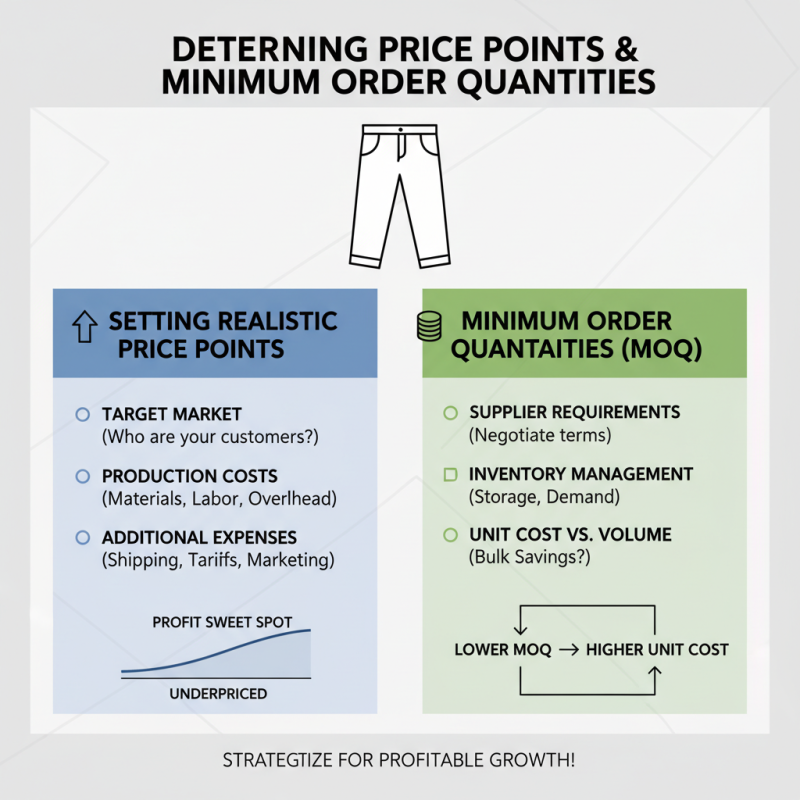
When selecting white label pants for your brand, pricing is crucial. Set realistic price points based on your target market. Consider production costs, shipping fees, and any additional expenses. You don't want to overprice or underprice your products. A well-thought-out pricing strategy can affect sales significantly.
Minimum order quantities (MOQ) can impact your decisions. Many manufacturers set an MOQ to cover their costs. This can range widely, so do your research. A higher MOQ can test your cash flow. Smaller orders may offer flexibility but can lead to higher prices per unit. It's a delicate balance to achieve.
**Tips:**
Make a list of your budget. Calculate the total cost, including shipping. This will help you understand the potential profit margins.
Stay aware of market trends. Pricing strategies can shift based on demand. Adjust accordingly to stay competitive.
Reflect on your brand's identity. The price and MOQ should align with your brand image and target audience. This consistency builds trust.