How to Choose Fashionable Style Handbags for Your Store?
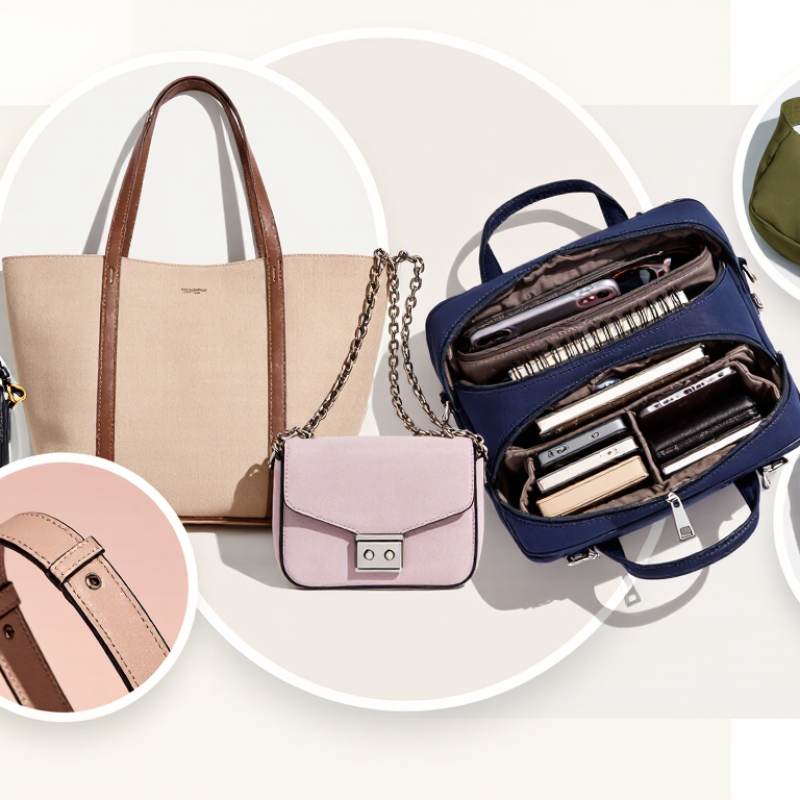
Fashionable Style Handbags can shape a store’s identity before a customer reads a single display card. Choosing them well takes more than following runway photos or viral colors. Retailers need to weigh local tastes, customer budgets, seasonal demand, and the practical needs of everyday use. A compact shoulder bag may suit commuters, while a roomy tote can appeal to shoppers carrying work or travel essentials. Details matter. Check handle stitching, zipper movement, lining, hardware, and how the bag holds its shape when lightly filled. These small checks offer a clearer picture than polished product images alone.
A useful buying plan starts with the store’s sales history and customer conversations. Compare silhouettes, colors, materials, and price points, then request samples when possible. Ask suppliers about construction, care guidance, lead times, and consistent product specifications. Avoid placing a large order just because one style is receiving attention online. Trends can fade quickly, and a beautiful bag may still sit unsold if its price or size feels wrong for your audience. Forecasts still miss sometimes; that is worth admitting. Start with a balanced selection: dependable neutrals, a few seasonal accents, and distinctive shapes that fit your store’s character. Review sales and customer feedback after launch, then adjust future orders. The goal is not to stock every trend. It is to choose pieces customers will notice, trust, and use. That balance takes practice, and occasional mistakes can reveal what shoppers actually value.
Profile Your Target Shopper Using Retail and Demographic Data
Start with the shoppers already walking through your store, not a trend report. Review sales by handbag shape, price band, color, and season across several months. Compare those patterns with returns, customer questions, and items left untouched on the shelf. Small clues matter. Repeated requests for roomy crossbody bags may reveal a commuting need better than a broad fashion forecast.
Use current, aggregated demographic data, such as age ranges, household income, and neighborhood mix, as context—not a shopping script. Two customers of the same age can want very different things. Pair demographic details with observed behavior: average spend, visit frequency, preferred materials, and purchase timing. Keep notes specific. Nearby office workers may favor lightweight bags with secure pockets, while weekend visitors browse compact occasion styles.
Build a small test assortment around the clearest signals, then track sales and feedback weekly. Ask staff to record requests, including colors or strap lengths you do not stock. Don’t overread one busy Saturday. A first read can be wrong; repeat the test before expanding a style or price range.
How to Choose Fashionable Style Handbags for Your Store? - Profile Your Target Shopper Using Retail and Demographic Data
Illustrative store-planning profile — estimates for merchandising decisions, not survey results. Compare with your own sales and customer data.
| Shopper Profile |
Typical Age |
Retail Signals to Track |
Likely Style Preferences |
Practical Price Range (USD) |
Suggested Assortment Focus |
| Everyday Value Seeker |
18–34 |
Price sensitivity, promotion response, unit sales, repeat purchases |
Lightweight crossbody bags, casual shoulder bags, simple neutrals |
$25–$60 |
Stock versatile shapes and easy-care materials; offer a few seasonal colors. |
| Work-and-Commute Shopper |
25–44 |
Weekday sales, average transaction value, searches for compartments or laptop fit |
Structured totes, top-handle bags, secure zips, organized interiors |
$50–$130 |
Prioritize durable construction, practical capacity, and black, brown, or taupe options. |
| Trend-Led Social Shopper |
18–29 |
New-arrival sell-through, social referrals, product-page views, color-level demand |
Mini bags, shoulder bags, bold colors, textured or statement details |
$30–$90 |
Buy trend colors in smaller quantities and reorder based on early sell-through. |
| Occasion and Gift Buyer |
30–59 |
Holiday and event-period sales, gift receipt requests, packaging preferences |
Clutches, compact top-handle bags, polished evening styles |
$45–$120 |
Plan around gifting seasons; keep a balanced selection of classic colors and occasion finishes. |
| Practical Comfort Shopper |
45+ |
In-store conversion, return reasons, strap and closure feedback, repeat visits |
Roomy crossbody bags, soft shoulder bags, adjustable straps, easy-access pockets |
$35–$100 |
Show functional details clearly and offer comfortable, adjustable carrying options. |
Use local customer demographics alongside point-of-sale data. Review sell-through, returns, and inventory turnover regularly before adjusting your assortment.
Measure Handbag Demand with Euromonitor Sales and Growth Data
Euromonitor sales and growth data can help retailers separate lasting demand from a short-lived style spike. Review handbag sales by market, category, and year, then compare value growth with volume growth. Rising value alone may reflect higher prices, not more shoppers buying bags. Check the available definitions and time periods before comparing figures; they may not align perfectly across markets.
Use the data to shape a practical assortment. If compact crossbody bags are growing steadily, test a focused range in wearable colors and durable materials. If shoppers favor larger everyday totes, consider capacity, handle comfort, and whether a water bottle fits upright. Small details matter. Compare growth rates with your store’s own sales, returns, and customer requests before placing a larger order. Market data offers context, not a guaranteed forecast.
There is room for judgment—and sometimes a wrong call. A national trend may not match a neighborhood’s climate, commute, or budget. Treat Euromonitor figures as a starting point, and revisit them alongside weekly sell-through. Track which shapes move at full price, which need markdowns, and how demand changes between seasons. Avoid adding too many variations based on one strong growth figure; a narrow test can reveal more than an oversized buy.
Select Styles Using Google Trends Search-Interest Data
Use Google Trends to compare the exact handbag styles your customers might search for, such as “woven tote,” “mini shoulder bag,” and “slouchy hobo bag.” Set the region to your store’s main market and review both recent interest and a five-year view. A sharp spring spike may reflect seasonality, not lasting demand. A useful signal. The chart shows relative search interest, not search volume, sales, or purchase intent, so avoid treating a peak as a buying forecast.
Check related queries for rising terms, then compare them with what shoppers actually ask for and which styles sell in your own store. If “east-west bag” is climbing, consider a small test order rather than filling a shelf. Look at color and material searches too; a shape may stay popular while preferences shift from bright canvas to muted leather-look finishes. Trends can be noisy. Search wording differs, and a sudden bump may fade before stock arrives. Record the date, region, and terms you compared, then revisit the data monthly alongside sales and customer feedback. That process is less exciting than chasing a viral curve, but it gives your assortment a more grounded starting point.
Set Price Tiers with Bain’s €362B 2023 Personal Luxury Goods Benchmark
Bain & Company and Altagamma estimated that the global personal luxury goods market reached €362 billion in 2023. This benchmark covers more than handbags, so treat it as market context, not a handbag-sales forecast. For a store, build a clear price ladder around local customer budgets and product costs. Entry styles can attract first-time buyers; core styles should offer dependable materials and practical interiors. Premium pieces need visible differences, such as refined stitching, structured leather, or distinctive hardware. A suggested starting mix is 25% entry, 50% core, and 25% premium styles. These shares are a test, not an industry rule. Track sell-through and returns monthly, then adjust orders. A polished display can still miss demand.
Tips: Show one bag from each tier together. Label dimensions and material clearly. Compare weekly sales by price band, not just total revenue. Keep a few accessible styles near the entrance, where shoppers can handle them easily.
The Bain-Altagamma benchmark signals a substantial luxury market, but it does not guarantee demand in every location. Seasonal shifts, customer age, and nearby competition matter. Review results after each buying cycle; even a tidy price ladder may need reworking.
Global Personal Luxury Goods Market, 2019–2023
Annual market value (€ billions)
The market reached €362 billion in 2023. Use this figure as broad market context—not as handbag sales or a recommended retail price. Set store price tiers by testing local customer demand across entry, mid-range, and premium handbags.
Validate Materials and Assortment Against Resale-Market Forecasts
A fashionable handbag assortment should earn its shelf space after the first season, not just look current in a buying meeting.
Compare resale listings and completed-sale data for shapes, colors, and materials similar to your planned range. Asking prices can be misleading. Check actual sale prices, how quickly items move, and whether demand holds across several months.
Materials shape both appeal and resale confidence. Smooth leather may age well, but customers often want lighter, lower-maintenance options too. Review condition notes on resale platforms: scuffed corners, peeling coatings, and worn straps appear repeatedly. Those details can guide choices in finish, lining, and hardware. Request samples, then inspect seams, closures, edge paint, and handle comfort under ordinary use. One sample is not enough. Test more.
Build an assortment with a few dependable silhouettes and a smaller share of seasonal colors or details. Forecasts are useful, but imperfect; resale data may lag behind a sudden shift in taste. I have seen a neat spreadsheet make a risky color look certain. It was not. Start with measured quantities, track sell-through and customer feedback, and reorder only when the evidence supports it. Keep notes on returns and repairs, too. They reveal problems that trend reports miss.