How to Choose the Best Wool Knitted Scarves for Winter?
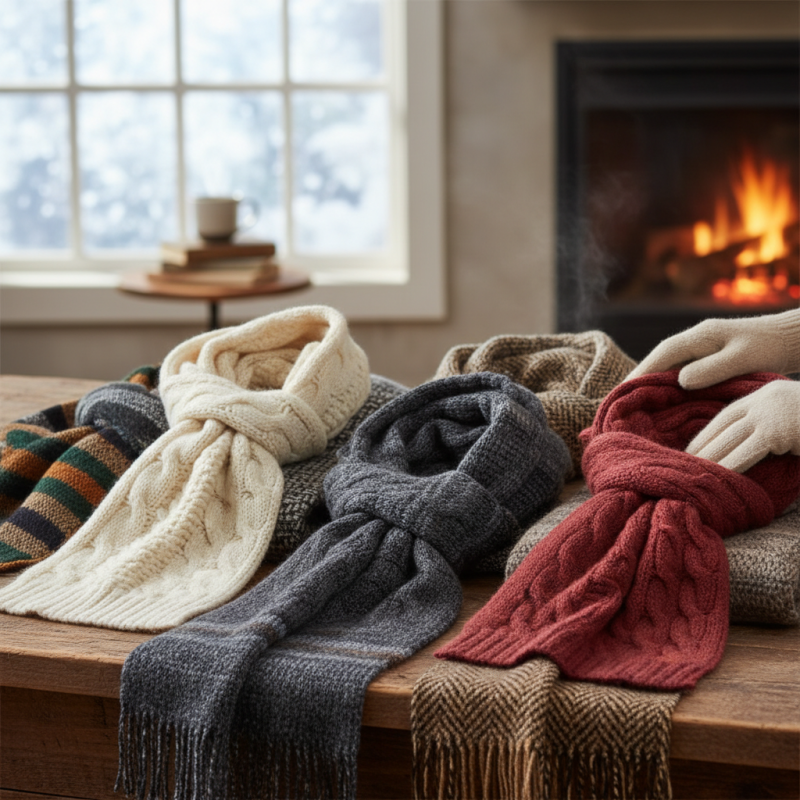
As winter approaches, choosing the right accessories becomes essential. Wool knitted scarves are a crucial addition to your winter wardrobe. These scarves not only keep you warm but also add style to your outfit.
When selecting the best wool knitted scarves, consider comfort and quality. The texture of the wool should feel soft against your skin. Look for durable materials that withstand cold weather. A well-chosen scarf can transform your entire look.
However, not all wool knitted scarves are made equal. You might find some options lacking in warmth or comfort. It’s important to reflect on what you truly need. Do you want bold patterns, or something more classic? Your choice should reflect your personal style while keeping practicality in mind.
Factors to Consider When Choosing Wool Knitted Scarves
When choosing wool knitted scarves, several factors should guide your decision. The material quality matters. High-grade wool offers warmth and breathability. A study from Textile World indicates that 70% of consumers prioritize fabric quality when selecting winter accessories. Softness against the skin is essential. Scratchy wool can lead to discomfort, especially during prolonged wear.
The weight of the scarf is another crucial factor. Heavier scarves provide more warmth but can feel bulky. Conversely, lightweight options are easy to style but may not offer sufficient insulation. The ideal weight balances warmth and wearability. Additionally, consider the knit pattern. Tight knits retain heat better, while looser ones enhance airflow. A survey shows that 55% of buyers prefer scarves with tighter weaves for colder climates.
Lastly, color and design play a role in selection. While neutrals are practical, vibrant hues can brighten winter outfits. Yet, one must ponder whether trendy colors will remain appealing through multiple seasons. Such reflections might lead to better choices. It's okay to admit uncertainty when navigating these decisions.
Factors to Consider When Choosing Wool Knitted Scarves
Types of Wool Best Suited for Winter Scarves
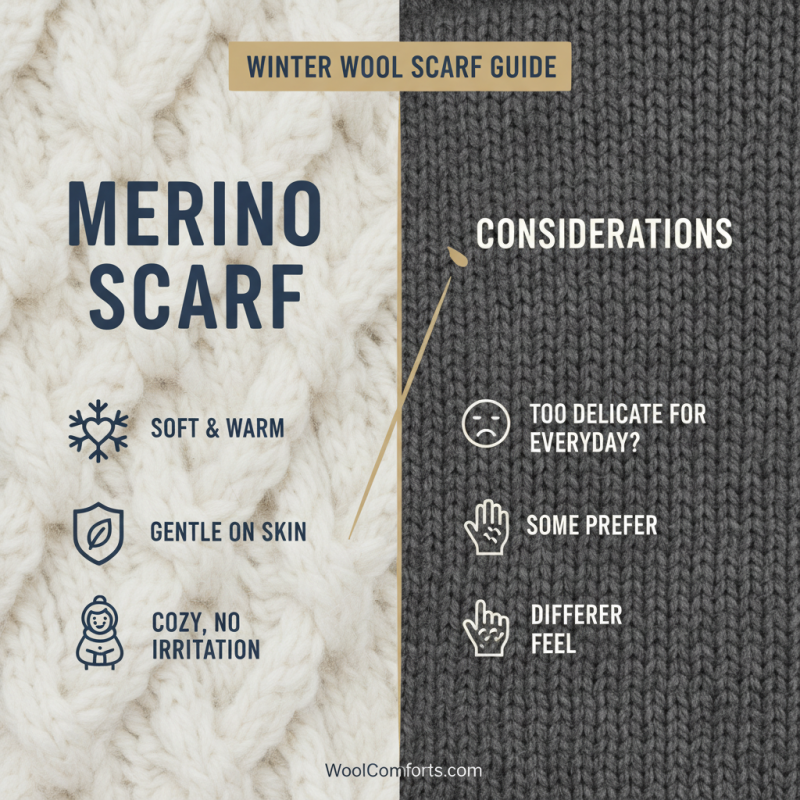
When selecting the perfect wool knitted scarf for winter, understanding the types of wool is crucial. Merino wool is a popular choice. It's soft, warm, and gentle on the skin. This wool can keep you cozy without causing irritation. However, not everyone loves how it feels. Some might find it too delicate for everyday wear.
Cashmere is another luxurious option, offering unparalleled softness and warmth. Its lightweight nature makes it ideal for layering. But cashmere often comes at a higher price. Some may hesitate to invest in it, especially if they are unsure about its durability. On the other hand, lambswool is thicker and sturdier. It's an excellent choice for those who want something durable with a traditional look. Yet, it may be a bit scratchy for some people.
Lastly, alpaca wool provides excellent insulation and is hypoallergenic. It's a fantastic option for sensitive skin. However, it can be less elastic than other wool types. This means it might not hold its shape as well over time. Each type of wool has its pros and cons. It’s important to find a balance between comfort, warmth, and practicality when choosing a scarf.
The Importance of Knit Patterns and Textures
When choosing wool knitted scarves for winter, the knit patterns and textures play a vital role in both aesthetics and functionality. Patterns can influence warmth retention. A study by the Textile Research Journal indicates that scarves with a tighter knit trap more air pockets, enhancing insulation by up to 30%. This is crucial for chilly days when every bit of warmth counts.
Various textures can also impact your overall comfort. Soft, chunky knits may feel cozy against the skin, while tighter weaves can be less forgiving. According to a report from the Fashion Institute, consumers often prioritize tactile experience, with over 70% expressing preference for scarves that feel comfortable and inviting. It's important to consider how you intend to wear the scarf. Some may prefer a more rigid structure, while others might lean toward a fluid, drapey fabric.
Color and design are equally significant. Darker hues tend to absorb more heat but can also show wear and dirt quicker. In contrast, lighter shades may reflect cold but are easier to maintain. In making a choice, reflect on your lifestyle and the elements the scarf will face. Balancing aesthetics with practicality ensures that your scarf is not just a fashion statement, but also a source of warmth and comfort.
How to Select the Right Length and Width for Scarves
When choosing a wool knitted scarf for winter, the length and width play a crucial role. A scarf that is too short may not provide enough warmth. Meanwhile, a scarf that's excessively long can be cumbersome. Generally, a length of around 60 to 80 inches is ideal. This range allows for versatile styling options while ensuring you stay cozy.
Width also affects functionality. Scarves typically range from 6 to 12 inches in width. A wider scarf offers more coverage, wrapping comfortably around your neck. If you're looking for a looser fit, opt for widths closer to 6 inches. This can create a stylish drape. On the flip side, thicker scarves can feel snug and warm, perfect for frigid temperatures.
**Tips:** Consider your layering options. The length should complement your outerwear. A longer scarf looks great with a longer coat. Think about how you'll tie or drape the scarf, too. Different styles suit different lengths. Experiment to find what feels right. Ultimately, it’s about what keeps you warm and looking stylish. Don’t rush into a choice, as a carefully selected scarf will serve you well all winter long.
How to Choose the Best Wool Knitted Scarves for Winter? - How to Select the Right Length and Width for Scarves
| Length (inches) |
Width (inches) |
Best For |
Style |
Ideal Users |
| 60 |
12 |
Casual wear |
Classic |
Men and Women |
| 72 |
10 |
Formal occasions |
Elegant |
Adults |
| 54 |
8 |
Everyday use |
Casual |
Children |
| 80 |
14 |
Layering |
Chunky |
Fashion-forward individuals |
| 68 |
11 |
Travel |
Versatile |
All ages |
Care and Maintenance Tips for Wool Knitted Scarves
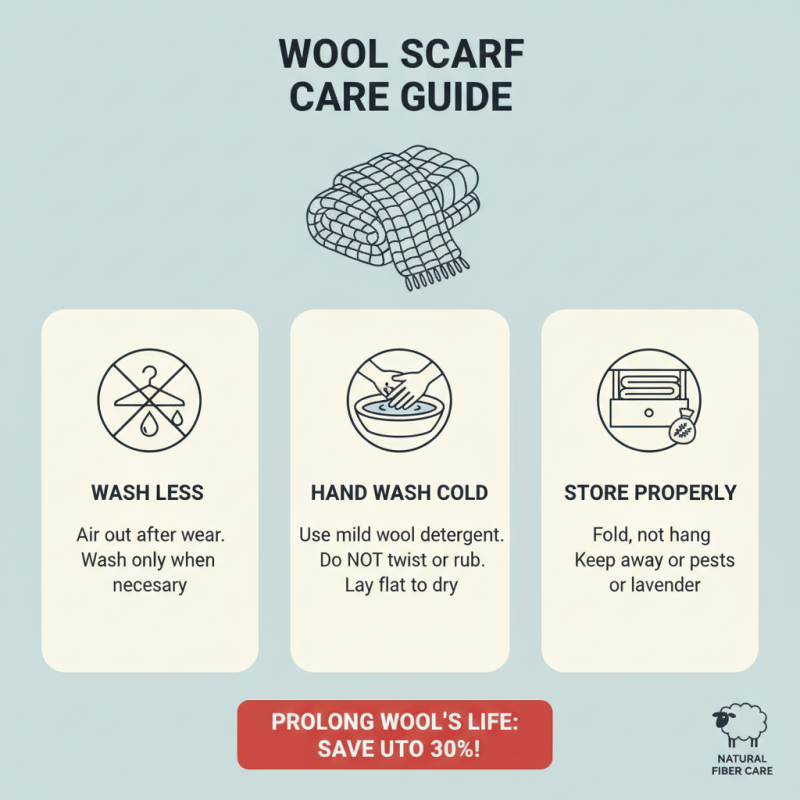
Caring for wool knitted scarves is essential for prolonging their life. Wool is a natural fiber known for its warmth and durability. However, it requires careful attention to maintain its quality. According to recent industry reports, improperly maintained wool garments can lose up to 30% of their lifespan.
To keep your scarf in excellent condition, hand-washing is recommended. Use cold water and a gentle detergent designed for wool. Avoid rubbing or wringing the fabric, as this can lead to pilling or distortion. After washing, lay it flat on a clean towel to dry. Wool can stretch easily, so hang drying isn't ideal. Additionally, storing your scarf properly is crucial. Avoid crowded places; instead, opt for a cool, dry space.
Regular maintenance is also vital. If you notice pilling, use a fabric shaver. This small tool can refresh your scarf’s appearance. However, professional cleaning is advisable for deep stains or significant wear. Keep in mind that even the best care can’t guarantee perfection. Wool is sensitive to humidity and can shrink if exposed to heat too frequently. Reflect on your own practices; are you giving your wool scarves the attention they deserve?