How to Choose the Best Private Label Dress for Your Brand?
Choosing the right Private Label Dress for your brand is crucial. It reflects your identity and appeals to your target audience. The process can be overwhelming. There are many options, styles, and fabrics available. Each choice can significantly impact your brand image.
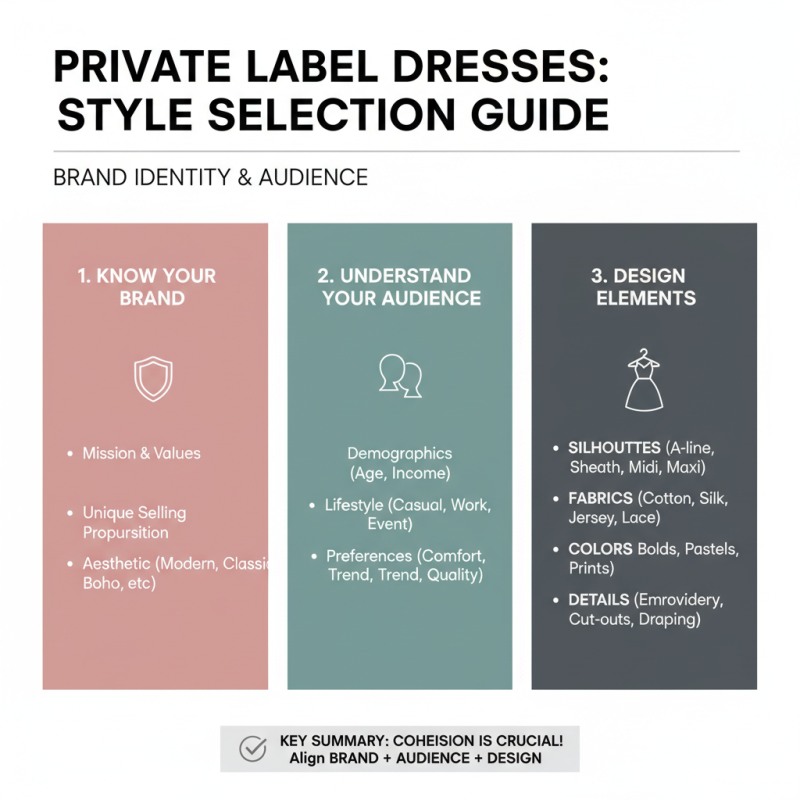
When selecting a Private Label Dress, consider your brand’s values. What message do you want to convey? Think about your customers’ preferences. Are they looking for comfort, style, or uniqueness? Moreover, quality plays an essential role. A well-made dress attracts repeat customers, but a poor selection can hurt your reputation.
Remember, not every dress will fit your vision perfectly. There will be mistakes and lessons along the way. Each misstep invites reflection and growth. Stay open to adjusting your choices as you learn about your consumers. Ultimately, the right Private Label Dress should speak volumes about who you are as a brand.
Identifying Your Target Market for Private Label Dresses
Identifying your target market is crucial when choosing private label dresses. Understanding who your customers are can significantly influence your brand's success. According to a recent survey, 68% of consumers prefer brands that reflect their personal style. Therefore, you need to know what styles appeal to different demographics. Are you targeting millennials, Gen Z, or perhaps a more mature audience? Each group has distinct preferences.
Research indicates that 40% of young women prioritize sustainability in their clothing choices. Failing to align your offerings with these values could lead to missed opportunities. Collecting data from social media or conducting surveys can provide insights. This information helps tailor your dress selection to meet the specific desires of your audience.
Furthermore, consider market trends. In the past year, casual dresses have seen a 30% sales increase. It’s essential to stay updated with such statistics to craft a relevant line. Look for gaps in the market too. If most brands focus on formal wear, providing more casual options might attract new customers. Not addressing the needs of your core audience can hinder your brand’s growth.
Understanding Fabric Types and Their Impact on Dress Quality
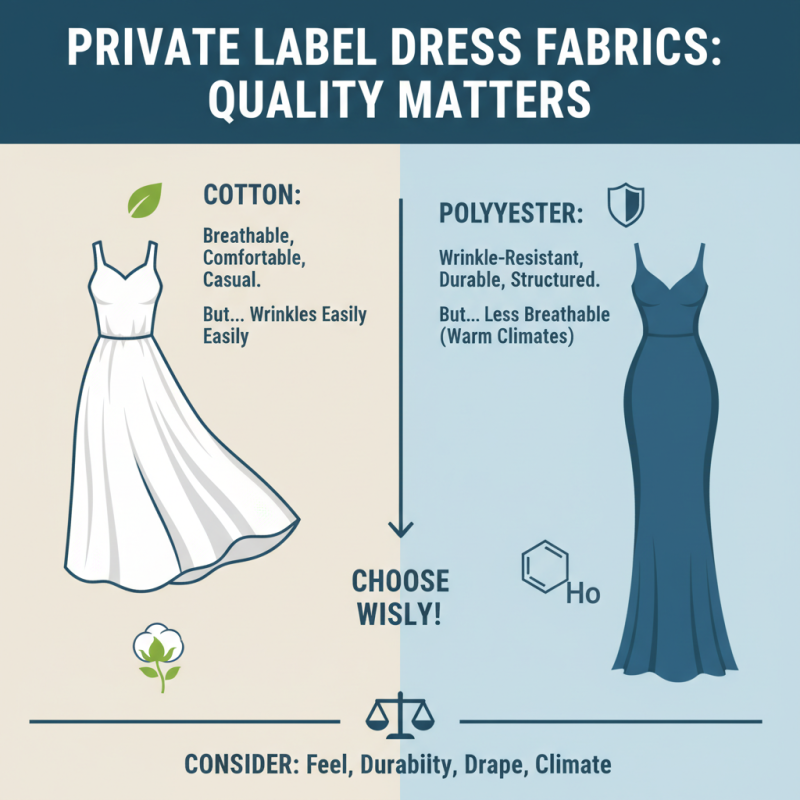
When choosing a private label dress for your brand, fabric type plays a crucial role in quality. Different fabrics have distinct feels, durability, and draping characteristics. For example, cotton is breathable and comfortable, perfect for casual wear. However, it wrinkles easily, which might not suit all styles. On the other hand, polyester resists wrinkles, but it may not be as breathable. This can lead to discomfort in warmer climates.
Silks and blends provide an elegant touch. They drape beautifully, enhancing the overall silhouette. Yet, they often demand special care during cleaning. This can present a challenge to some customers who prefer easy-care options. Choosing the right fabric means balancing aesthetics with functionality. If you focus only on looks, you may overlook how it wears over time.
Understanding these nuances is vital. Mistakes can be costly. A dress that looks great but disappoints in comfort may hurt your brand's reputation. Take the time to feel each fabric type. Analyze how they perform in real-life scenarios. This effort will ultimately elevate your brand's appeal and customer satisfaction.
Determining Suitable Styles for Your Brand Identity
Choosing the right styles for your private label dresses is crucial. Your brand identity should guide your decisions. Think about your target audience. What do they like? What resonates with them? Colors and silhouettes matter. A casual vibe might need simple cuts and neutral tones. For a formal look, consider elegant fabrics and refined details.
Reflect on your brand's core message. Does it promote sustainability? Then, focus on eco-friendly materials. If your brand targets young professionals, incorporate trendy elements. However, avoid flashy designs that could confuse your audience. Instead, you could use subtle details to enhance your brand’s image.
Experiment with different styles. Don't rush into decisions. Test a few designs and observe reactions. Sometimes, what seems perfect might not fit your audience. Be open to feedback. This process might reveal gaps in your understanding of your brand's identity. Remember, growth often comes from recognizing these imperfections.
Evaluating Suppliers: Quality, Reliability, and Pricing Factors
Choosing the best private label dress for your brand involves evaluating suppliers based on crucial factors. Quality is paramount. Look for fabrics that meet your standards. Reports indicate that 70% of consumers prioritize fabric quality when making a purchase. This emphasizes the need for thorough material testing.
Reliability comes next. Ensure your suppliers have a track record of on-time deliveries. A survey found that 60%% of businesses experienced delays from unreliable suppliers. This can hurt your brand’s reputation. Consider asking for references and samples before committing.
Pricing is another essential factor. Competitive pricing is necessary. However, beware of extremely low prices. They often indicate compromised quality. A recent study showed that brands that invested in better materials consistently saw 15%% higher customer retention.
Tips: Always visit the production facility. This provides insights into their operations. Collect feedback from other brands that work with them. It can expose potential issues you might not see. By evaluating these factors carefully, you can select a supplier that aligns with your brand’s values.
Establishing a Competitive Pricing Strategy for Your Dresses
Establishing a competitive pricing strategy for your private label dresses is crucial. In 2022, the global dress market was valued at roughly $75 billion. Pricing can make or break your brand. Many emerging brands fail to consider production costs thoroughly. This oversight can lead to unsustainable margins.
Consider customer expectations. Price sensitivity varies significantly. For instance, 45% of consumers prioritize price over quality when buying clothing. Understanding your target audience is essential. Use market research to determine what customers in your niche are willing to pay. This requires balancing production costs with market trends.
Experimenting with promotional pricing might also help. Offering discounts or bundling products can attract more customers. However, it’s important to be cautious. Misguided discount strategies could harm your brand’s perceived value. Frequent sales may lead customers to expect lower prices and could hurt profitability. Finding the right balance requires reflection and adaptation. Your pricing strategy must evolve as the market changes.
Sales Comparison of Different Dress Styles