Why Choose White Label Shorts for Your Brand?
The activewear market is expanding, but growth alone does not guarantee a profitable product. Grand View Research reports that the global activewear market was valued at more than USD 400 billion in 2023. It also projects continued growth through 2030. These figures signal strong demand for practical, comfortable clothing. They do not remove the need for careful product decisions.
White Label Shorts can help brands enter this market with a ready-developed product foundation. Instead of building every pattern from scratch, a company can select an existing short, then add its own label, colors, packaging, and finishing details. Picture a lightweight training short with a secure waistband, breathable side panels, and a phone pocket that stays flat during movement. Small details matter. They influence reviews, repeat purchases, and returns.
The McKinsey State of Fashion reports that brands face cautious consumers, higher costs, and pressure to improve operational efficiency. White label sourcing may reduce development time and lower early sampling expenses. However, it is not automatically the best choice. A generic fit can weaken brand identity. Fabric performance may vary between suppliers. Quality claims must be tested, not assumed.
That requires evidence.
Brands should request fabric specifications, measurement charts, colorfastness results, and production samples. They should also verify supplier communication and delivery records. These steps support a more reliable decision and reflect the quality expectations associated with E-E-A-T. White Label Shorts work best when convenience is combined with testing, honest positioning, and thoughtful customization. The model is useful, but imperfect. That is precisely why due diligence remains essential.
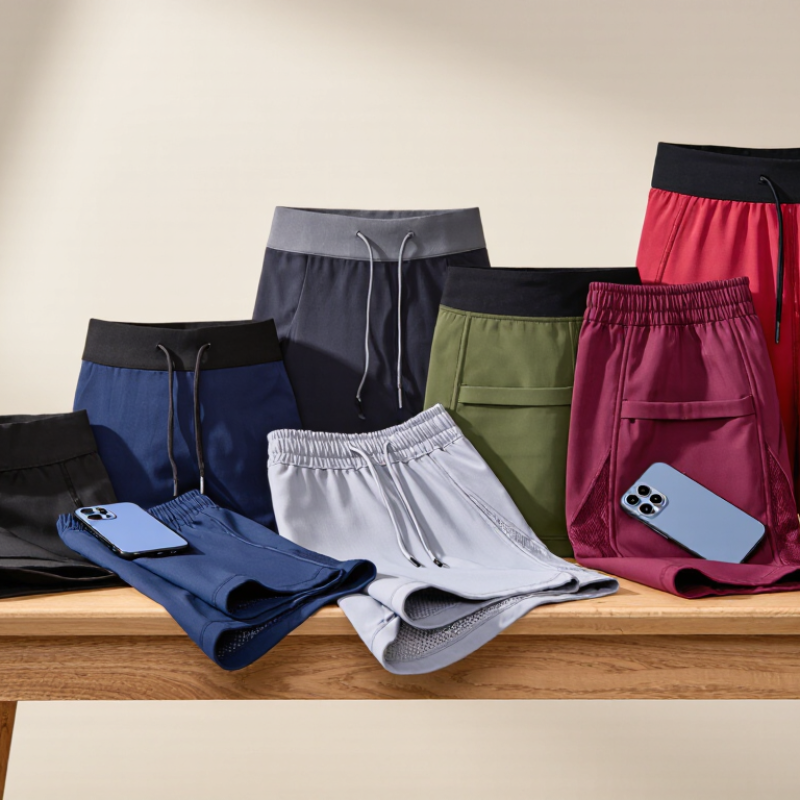
White label shorts are ready-made garments produced by a third-party manufacturer. A business sells them under its own name, label, and packaging. The base design usually already exists, including the fabric, cut, waistband, and stitching. Branding may involve sewn labels, printed logos, hangtags, or customized packaging. This process can reduce development time compared with creating a completely new garment.
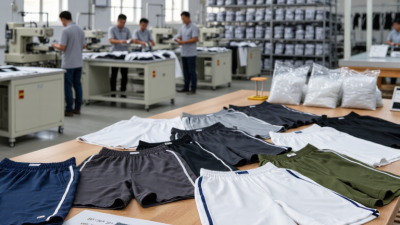
The workflow begins with choosing a suitable style and requesting samples. A careful buyer checks fabric weight, stretch, seam strength, pocket depth, and color consistency. Fit matters too. Shorts that look attractive on a product page may feel restrictive during movement. Small details become obvious during wear testing. They should not be ignored.
After sample approval, the manufacturer confirms measurements, branding files, minimum order quantities, production timing, and inspection procedures. Clear written specifications help prevent costly misunderstandings. Experienced suppliers should explain material composition and production limits honestly. They should also provide realistic delivery estimates, not optimistic promises.
White label production offers useful control, but it is not effortless. Limited customization can make several products feel similar. A thoughtful brand may improve the waistband, adjust the inseam, or choose more practical pockets. Those changes can raise costs. They can also create a better customer experience. I would still test the shorts after washing, because the first sample rarely tells the whole story.
Why Choose White Label Shorts for Your Brand?
White label shorts help growing brands enter the market without building a factory from scratch. A ready-made base design can reduce development time and simplify production planning. Teams can focus on fabric, colors, labels, and fit. This creates space for stronger brand identity.
The practical benefits appear during sampling. A reliable supplier can provide size charts, fabric details, and stitching specifications. These documents support clearer decisions and reduce avoidable production errors. Before ordering, request a sample and check waistband recovery, pocket strength, and seam comfort. Wash the sample several times. Small changes often matter.
Quality control needs more than attractive product photos. Review fabric weight, shrinkage, color consistency, and measurement accuracy. Ask how defects are recorded and corrected. White label production may also support smaller initial runs, depending on the supplier’s capacity. That can protect cash flow while demand remains uncertain. However, the first sample may not fit perfectly. It might feel tight at the hips or lose shape after washing. That is not failure; it is useful evidence. Adjust the pattern before scaling production.
Clear communication improves reliability. Share a detailed specification sheet, including measurements, labeling requirements, packaging, and inspection standards. Keep written records of approvals. Growing brands gain more control when every production detail is measurable. Fancy ideas still need solid seams.
A practical planning guide to the main operational and commercial advantages of white label shorts.
| Business Dimension | Typical Planning Data | Key Benefit for Growing Brands | Operational Consideration |
|---|---|---|---|
| Product Development Time | Approximately 2–6 weeks for selecting an existing style, approving samples, and finalizing branding. | Shortens the path from product concept to market launch because the base pattern and construction are already available. | Timing depends on sample revisions, fabric availability, artwork approval, and production capacity. |
| Minimum Order Quantity | Often around 50–300 units per style or color for small-batch white label programs, although supplier policies vary. | Allows smaller brands to test demand without committing to very large production volumes. | MOQ may increase when using custom fabrics, special colors, complex trims, or multiple size ranges. |
| Brand Customization | Common options include woven labels, printed care labels, hangtags, packaging, color selection, and logo placement. | Creates a branded customer experience while using an established shorts construction. | Customization level should be confirmed before sampling because each option can affect cost and lead time. |
| Upfront Development Cost | Existing patterns and standard construction typically require less development work than a fully custom garment. | Preserves working capital for marketing, inventory, photography, fulfillment, and customer acquisition. | New molds, unusual trims, custom fabric development, and extensive pattern changes can add development charges. |
| Fabric Selection | Common performance-short fabrics include polyester, nylon, elastane blends, and recycled synthetic fibers. | Makes it easier to select materials aligned with training, running, lifestyle, or athleisure positioning. | Confirm fabric composition, weight, stretch recovery, colorfastness, shrinkage, and care requirements through testing. |
| Product Testing Risk | Using a previously developed base style can reduce construction uncertainty compared with creating a garment from zero. | Helps brands focus testing on fit, fabric performance, branding details, and customer-use conditions. | Existing designs still require pre-production samples and inspection; no supplier model eliminates quality-control risk. |
| SKU and Inventory Management | Starting with one core silhouette and a limited color-size matrix reduces the number of inventory combinations. | Makes forecasting, storage, replenishment, and cash-flow management easier for a growing business. | Every additional color and size creates another inventory position that should be included in demand planning. |
| Market Testing | Small initial runs can be used to evaluate sell-through, return reasons, size demand, and repeat purchase behavior. | Provides customer feedback before larger production commitments are made. | Test results are more useful when product pages, pricing, photography, and marketing exposure are consistent. |
| Production Scalability | After a style is approved, repeat orders can usually follow the same specifications and measurement sheet. | Supports gradual growth from test quantities to larger replenishment orders without redesigning the product. | Scaling should be supported by approved samples, tolerances, color standards, packaging specifications, and inspection criteria. |
| Cost and Margin Planning | Unit cost is influenced by fabric, order quantity, branding components, packaging, freight, duties, and quality requirements. | A standardized base style makes it easier to compare landed cost and set a sustainable selling price. | Calculate landed cost rather than factory price alone, and include returns, payment fees, storage, and fulfillment expenses. |
| Launch Flexibility | Brands can begin with standard silhouettes and add colors, trims, packaging, or seasonal updates in later orders. | Enables a staged product strategy instead of requiring a complete collection at launch. | Changes should be documented in a revised specification sheet to maintain consistency between production batches. |
| Quality Assurance | Key checks include measurements, stitching, fabric defects, color consistency, labeling, packaging, and carton quantities. | A defined inspection process protects customer experience as order volume increases. | Agree on measurable acceptance standards before bulk production and retain an approved reference sample. |
Choosing white label shorts can give your brand faster product development and more control over presentation. The manufacturer matters most.
Start with proven production experience in your target shorts category. Ask how long the factory has made similar garments. Request clear photos, material details, and recent sample references. A reliable supplier should explain fabric weight, stretch recovery, stitching density, waistband construction, and colorfastness testing.
Always order samples before discussing large quantities. Check the fit after washing. Test the drawcord, pocket seams, and inner labels by hand. Small flaws often appear there. Measure the sample against your approved size chart. A two-centimeter difference can affect customer satisfaction.
Review the manufacturer’s minimum order quantity, sample fees, production schedule, and payment terms. Ask whether the quoted price includes labels, packaging, inspection, and shipping preparation. Written details reduce later disputes. A factory that answers quickly but avoids technical questions may create problems.
Quality control should happen during production, not only before shipment. Ask for measurement reports and inspection photos from finished batches. Confirm that materials and trims remain consistent between orders. This step is easy to overlook.
I once accepted a lower quote too quickly. The fabric felt thinner than the approved sample. That mistake taught me to compare physical samples, not promises. Communication also deserves attention. If replies are vague, delays may become expensive. Choose a manufacturer that admits limitations and offers practical solutions. Reliability is more valuable than a perfect sales pitch.
White label shorts allow brands to launch customized products without building their own manufacturing facility. Selecting the right manufacturer requires evaluating quality, flexibility, production reliability, and compliance.
How to read this chart: The 100-point evaluation model gives the greatest weight to product quality and production reliability, while also considering customization, order flexibility, compliance, and communication. Use these criteria to compare potential white label shorts manufacturers before requesting samples.
White label shorts give growing brands a practical way to build recognizable collections without owning a factory. The value begins with controlled branding. Labels, hangtags, waist prints, packaging, and color palettes can follow one clear identity. A small woven label can feel more credible than a crowded logo. In real sampling work, placement matters: a waistband label should remain readable after stretching and washing. Not every detail works. Some designs look excellent on screen but disappear on dark fabric.
Customization should support wearability, not just appearance. Buyers can choose fabric weight, stretch, rise, inseam, pocket shape, drawcords, and stitching details. Cotton blends may feel soft, while performance fibers can improve drying time. These claims need testing, not assumptions. Requesting pre-production samples helps teams check fit across sizes, seam comfort, color consistency, and shrinkage. Measure after washing. It catches problems early, although one sample cannot represent every production batch.
Quality control becomes stronger when requirements are written before ordering. A reliable process can include approved measurements, fabric composition records, shade standards, seam inspections, and random checks from packed units. Photos are useful, but physical samples reveal hand feel and construction more accurately. A clear defect policy also prevents emotional decisions during delivery. Even experienced teams miss things. We once focused on logo alignment and overlooked a tight drawcord channel. That small issue changed the wearing experience. Regular supplier communication, documented inspections, and honest review create a more dependable product line.
White label shorts can reduce design expenses and shorten the path from concept to market. You select an existing pattern, then customize labels, colors, trims, and packaging. This approach works well when your team lacks technical apparel development experience.
Request physical samples before approving production. Check stitching, waistband recovery, pocket depth, fabric weight, and color consistency. Small flaws become expensive after thousands of units.
Cost planning requires more than the factory quote. Include sampling, labels, packaging, freight, duties, quality inspections, photography, and returns. Compare the full landed cost against your expected selling price. A lower unit price may hide higher minimum order quantities.
Be careful here. Unsold inventory can damage cash flow and limit future designs. A staged order may cost slightly more but reduce financial pressure.
Marketing should explain why the shorts deserve attention. Show their fit during movement, not only on a flat table. Use close images of seams, pockets, fabric texture, and waistband construction. Give customers accurate measurements and care instructions.
Launch with a small test audience, track clicks, conversion rates, returns, and customer questions. Then adjust the product page or size range. Some decisions will be wrong. That is normal, but ignoring the data is avoidable. A reliable supplier should provide consistent samples, clear production timelines, and documented quality checks before launch.