Why Choose a Private Label Dress for Your Fashion Business Success?
In today's competitive fashion landscape, the choice between various clothing options can significantly influence the success of your fashion business. Among these options, the "Private Label Dress" stands out as an enticing solution for entrepreneurs looking to carve out a niche in the market. By opting for private labeling, businesses can offer unique designs that resonate with their target audience, while also maintaining control over branding and pricing strategies. This flexibility not only sets a business apart but also fosters customer loyalty, as consumers become increasingly drawn to distinctive and personalized fashion choices.
Moreover, the private label model allows for enhanced quality control and the ability to swiftly respond to market trends. By working with manufacturers to create private label dresses, businesses can ensure that the garments meet their specific standards and align with current fashion demands. This adaptability can be a game-changer, enabling brand owners to capture fleeting trends and elevate their offerings much faster than those reliant on traditional retail models. Ultimately, choosing private label dresses is not just a strategic business decision; it’s a pathway to establishing a brand identity and driving sustained growth in the dynamic world of fashion.
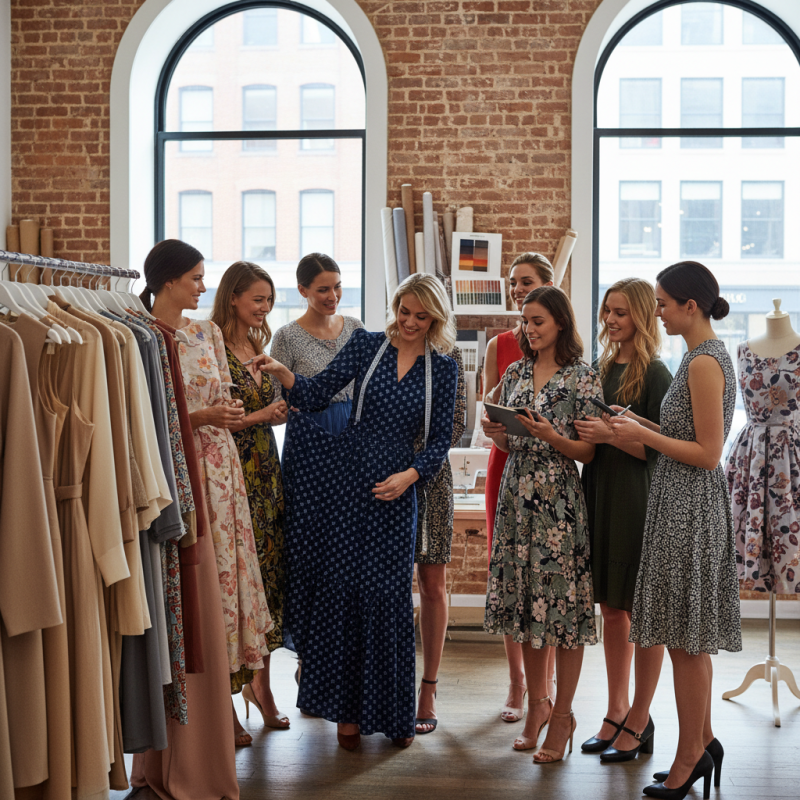
Understanding Private Labeling in the Fashion Industry
Private labeling in the fashion industry offers a unique opportunity for retailers and entrepreneurs to establish their own brand identity while capitalizing on established production capabilities. By collaborating with manufacturers to create clothing that is branded with their own labels, businesses can offer distinct styles that are tailored to their target market's preferences. This process not only allows for increased control over design and pricing but also enables low-risk entry into the competitive fashion market.
Understanding the nuances of private labeling involves recognizing the importance of selecting the right manufacturer. A proficient partner should not only have a strong production capacity but also align with the brand’s vision and quality standards. This collaboration facilitates the creation of exclusive collections that resonate with consumers, enhancing brand loyalty. Additionally, leveraging private label opportunities allows fashion businesses to react swiftly to market trends, ensuring that they remain relevant and appealing to their audiences while also benefiting from higher profit margins compared to retailing third-party brands.
The Benefits of Private Label Dresses for Your Brand
Choosing private label dresses for your fashion business can significantly enhance your brand’s growth and profitability. According to a recent report by Statista, the global private label apparel market is expected to grow at a CAGR of 5.4% from 2021 to 2026. This growth indicates a rising consumer preference for unique, competitively priced clothing options. By investing in private label dresses, businesses can tap into this expanding market and offer customers exclusive designs that differentiate their products from mass-produced alternatives.
The benefits of private label dresses extend beyond mere differentiation. A study from the Private Label Manufacturers Association (PLMA) highlights that private label items can yield as much as 30% higher margins compared to national brands. This is largely due to reduced marketing costs, as private label brands often capitalize on in-house promotions. Additionally, having control over design and manufacturing processes enables brands to respond swiftly to fashion trends, allowing for a more agile business model. By leveraging these advantages, fashion companies can establish a strong brand identity and build customer loyalty.
Why Choose a Private Label Dress for Your Fashion Business Success? - The Benefits of Private Label Dresses for Your Brand
| Benefit |
Description |
Impact on Business |
| Brand Identity |
Leverage unique designs to create a distinct image. |
Enhances customer loyalty and brand recognition. |
| Quality Control |
Direct oversight of manufacturing processes. |
Improves product consistency and customer satisfaction. |
| Cost Effectiveness |
Reduced costs through bulk purchasing and manufacturing. |
Higher profit margins per product sold. |
| Flexibility |
Ability to quickly adapt to market trends and demands. |
Keeps the brand competitive and relevant. |
| Market Differentiation |
Unique styles that set the brand apart from competitors. |
Attracts a niche customer base. |
Key Factors to Consider When Choosing Private Label Dresses
When considering private label dresses for your fashion business, several key factors come into play that can significantly influence your success. First and foremost, it’s essential to prioritize the quality of the materials used. High-quality fabrics not only enhance the overall look and feel of the dresses but also affect the durability and longevity, which can lead to higher customer satisfaction and repeat purchases. Conducting thorough research and sampling different materials can help in selecting the best options that align with your brand's vision.
Another crucial aspect is understanding your target audience. Analyzing market trends and customer preferences can guide you in choosing designs that resonate with your demographic. This could involve gathering insights through social media polls or direct feedback from potential customers. Lastly, consider the production and lead times associated with private label dresses, as these can greatly impact your ability to respond to market demands swiftly. Establishing a reliable manufacturing partnership that values efficiency and quality can give your fashion business a competitive edge, allowing you to stay relevant in the fast-paced fashion industry.
How to Market Your Private Label Dress Collection Effectively
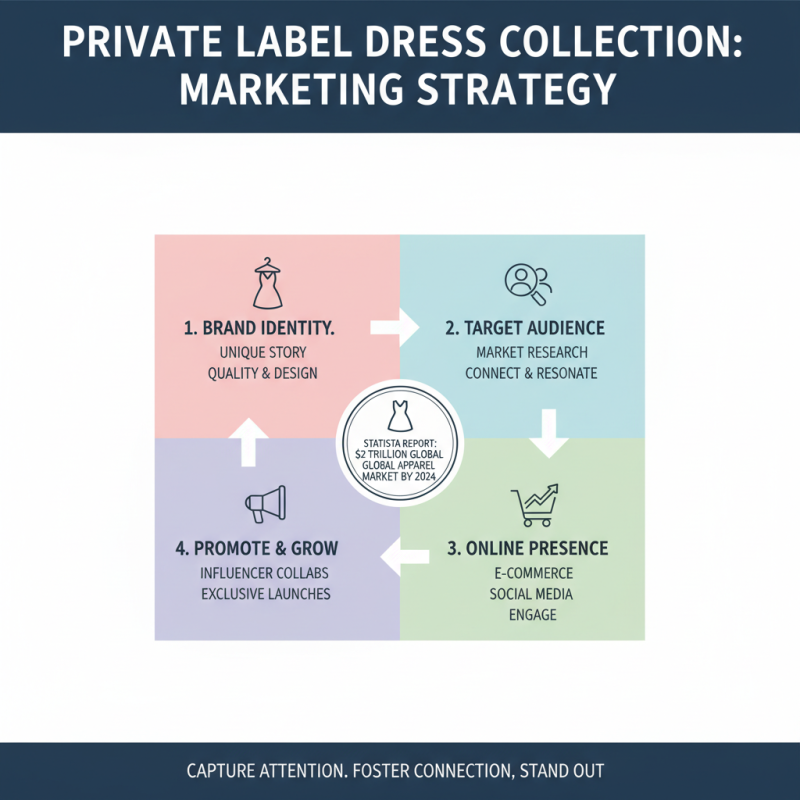
Marketing your private label dress collection effectively is crucial for capturing the attention of your target audience in a competitive fashion industry. According to a report by Statista, the global apparel market is projected to reach over $2 trillion by 2024, highlighting the immense growth potential for fashion businesses. To stand out, it's essential to develop a strong brand identity that resonates with your customers. This means creating a compelling story around your dresses that emphasizes quality, design, and uniqueness, ultimately fostering a connection with consumers who seek more than just basic clothing items.
Leveraging social media platforms is another key strategy to boost visibility and engagement for your private label dresses. As per data from Hootsuite, around 54% of consumers use social media to research products before making a purchase. By creating visually appealing content and utilizing influencer collaborations, brands can effectively reach and inspire potential buyers. Additionally, launching targeted ads that highlight special features or promotions can drive traffic to your online store, maximizing conversion rates. Engaging with your audience through interactive posts, giveaways, and customer testimonials can further enhance brand loyalty and encourage repeat purchases, making your private label dress collection a formidable player in the fashion market.
Case Studies: Successful Private Label Fashion Brands
Private label fashion brands have emerged as key players in the industry, showcasing how entrepreneurs can achieve success with unique and tailored offerings. One shining example is a brand that focused on sustainable materials and ethical production, attracting a loyal customer base by aligning with current consumer values. This strategic move not only carved out a niche for the brand but also positioned it as a leader in the eco-friendly fashion space.
**Tip:** Before launching a private label, conduct thorough market research to identify gaps in the current offerings that you can exploit. This insight is crucial for differentiating your brand in a saturated market.
Additionally, another case study illustrates a company that capitalized on the growing demand for personalized fashion through a bespoke private label service. By allowing customers to customize their dress styles, colors, and sizes, this brand not only met individual needs but also increased customer engagement and repeat purchases. Their success underscores the potential of innovation and customer-centric approaches in private labeling.
**Tip:** Consider incorporating customer feedback into your design process. Engaging your audience in the creation journey not only fosters loyalty but also ensures that your products resonate with your target market.
Sales Performance of Private Label Dresses vs. National Brands