How to Choose the Perfect Japanese Yukata Robe for Any Occasion
Choosing the perfect Japanese Yukata robes can elevate any occasion, whether it’s a summer festival, a casual gathering, or a tranquil evening at home. These traditional garments embody elegance and cultural heritage, making them a treasured part of Japanese fashion. With a vibrant array of colors, patterns, and fabrics to select from, understanding how to choose the right yukata for your specific needs is essential for creating the desired impression.
In this guide, we will explore the key factors to consider when selecting your Japanese Yukata robes. From understanding the various types of fabrics and styles to learning how to match your yukata with appropriate accessories, this comprehensive overview will help you make informed choices. Whether you’re looking for a simple design for a relaxed day or an intricately patterned yukata for a festive celebration, knowing the nuances of these beautiful garments will enhance your overall experience and ensure that you look your best on any occasion.
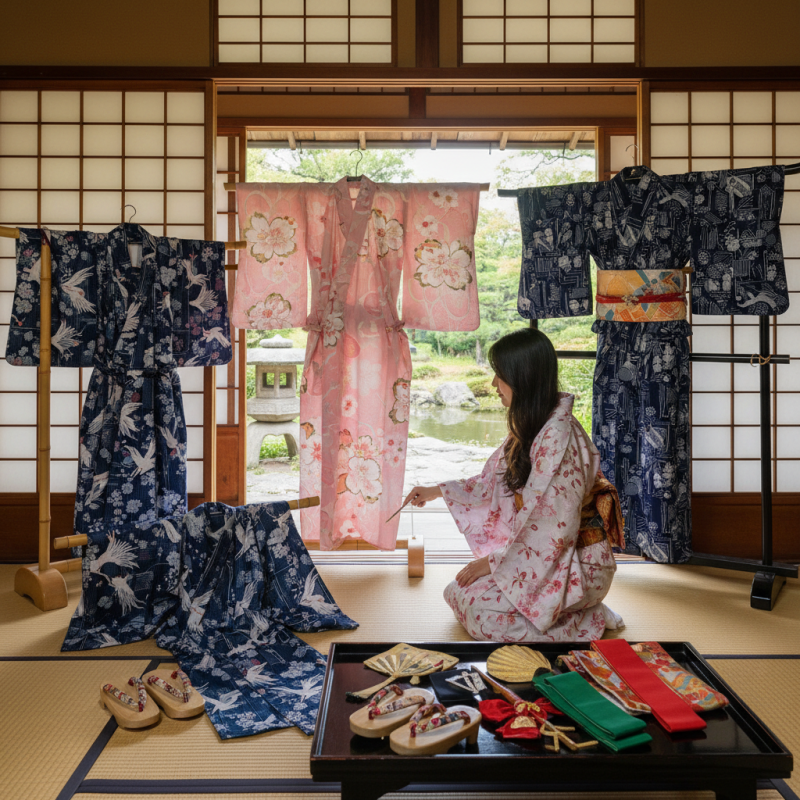
Understanding the Basics of Japanese Yukata: Fabric, Design, and Fit
When selecting the perfect yukata, understanding the basics of fabric is essential. Traditionally made from cotton, yukatas are lightweight and breathable, making them ideal for warm weather. Modern variations might incorporate blends that add durability or unique textures. Consider the season and occasion when choosing the fabric; for summer festivals, opt for airy cotton, while a thicker fabric might be suitable for cooler evenings. The texture and weight of the fabric will not only impact comfort but also the drape and overall aesthetics of the robe.
Design is another crucial element in choosing a yukata. Traditional patterns often feature floral designs, seasonal motifs, or geometric shapes, reflecting Japanese culture and aesthetics. The color palette can also convey different meanings; for instance, bright colors are often favored for festive occasions, while subdued tones may be more appropriate for formal events. Furthermore, the length of the yukata and sleeve style can significantly influence the wearer's silhouette and comfort. Ensuring a good fit is necessary, so it’s advisable to consult size charts and try on different styles to find one that flatters your body shape while allowing ease of movement.
Key Occasions for Wearing a Yukata: Festivals, Weddings, and More
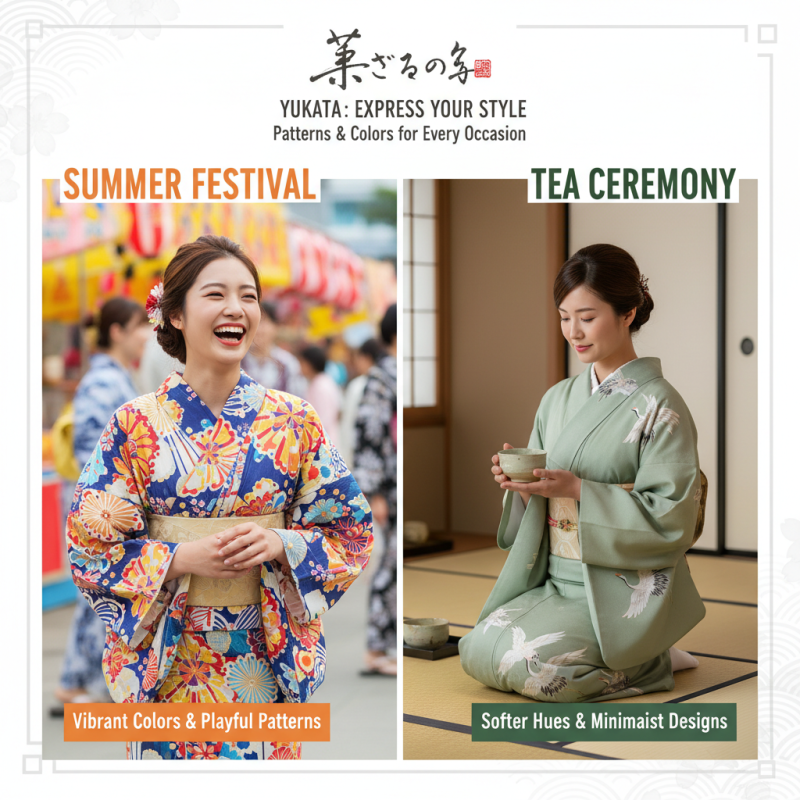
When it comes to wearing a yukata, understanding the key occasions can enhance your experience and ensure you select the perfect robe. Festivals, or "matsuri," are one of the most popular events where yukatas are worn. These colorful and often patterned robes not only provide comfort but also allow wearers to immerse themselves in the festive atmosphere. At these events, you can opt for bright colors and bold designs that reflect the lively spirit of the celebration.
Weddings are another significant occasion for donning a yukata. In such settings, a more subdued and elegant design is preferred. Traditional patterns and softer colors create a sophisticated look suitable for the celebration of love. Choosing a yukata for a wedding ceremony requires attention to the specific dress codes and customs of the events, ensuring respect is maintained.
Tips for Choosing the Right Yukata:
- Consider the Season: Lighter fabrics and brighter colors are ideal for summer festivals, while warmer fabrics and richer hues can be appropriate for autumn events.
- Match to the Occasion: Always think about the theme of the event. For festivals, opt for playful designs, while formal occasions like weddings call for more understated styles.
- Fit is Key: Ensure that the yukata fits well; it should be comfortably snug but not too tight, allowing for ease of movement as you partake in activities.
Choosing the Right Fabric: Cotton vs. Synthetic Materials in Yukatas
When selecting the perfect Japanese yukata robe, one of the most critical decisions revolves around the choice of fabric. Traditionally, cotton has been the go-to material for yukatas, prized for its breathability and comfort.
Cotton yukatas are lightweight, making them ideal for warm summer festivals and casual outings. Their natural fibers allow for good air circulation, which helps to keep the wearer cool and comfortable.
Additionally, cotton is easy to care for, often machine washable, and becomes softer with each wash, enhancing the overall wearing experience.
On the other hand, synthetic materials, such as polyester, have gained popularity in recent years. These fabrics offer durability and resistance to wrinkles, making them a practical choice for those who prefer low-maintenance clothing.
Synthetic yukatas are often more vibrant in color and can feature intricate designs that stand out beautifully. However, some may find that synthetic materials do not breathe as well as cotton, potentially leading to discomfort during hot weather.
Ultimately, the choice between cotton and synthetic fabrics depends on personal comfort, style preferences, and the intended use of the yukata.
Selecting Patterns and Colors: How to Match Yukata to Personal Style
When selecting a yukata, patterns and colors play a crucial role in expressing personal style and adapting to different occasions. Traditional motifs such as florals, waves, and geometric shapes can evoke a sense of heritage while allowing for individual creativity. For a summer festival, vibrant colors and playful patterns can enhance the festive atmosphere, making the wearer stand out. Conversely, for a more subdued occasion, such as a tea ceremony, opting for softer hues and minimalist designs can convey grace and elegance.
Complementing your yukata with the right color palette allows for deeper personal expression. Warm colors like reds and yellows can convey energy and joy, while cooler tones, such as blue and green, evoke calmness and serenity. When choosing your yukata, consider your personal coloring—skin tone and hair color can influence how certain hues appear on you. Additionally, layering with a haneri (collar) or obi (belt) of contrasting colors can create a harmonious look that enhances your overall outfit, making it uniquely yours for any occasion.
Accessorizing Your Yukata: Essential Items to Complete Your Look
Accessorizing your yukata is essential to achieving a well-rounded and visually appealing ensemble. To enhance your look, start with the right obi (sash) to cinch your waist. A wide obi can create a statement, while a more delicate one can offer a subtle elegance. Choosing a color or pattern that complements your yukata will ensure a cohesive appearance.
In addition to the obi, consider adding traditional accessories like a haneri (collar) to bring a touch of sophistication. A colorful haneri can add depth to your outfit and can be an excellent way to introduce contrasting tones. Footwear is another crucial aspect; get some stylish geta (wooden sandals) or zori (flower sandals) to complete your look. They not only provide comfort but also elevate your overall attire.
**Tips:** When selecting your accessories, think about the occasion. For casual summer festivals, vibrant colors and playful patterns might be appropriate. However, for formal events, opt for more subdued tones and classic styles. Don’t forget to incorporate a fan or a small handbag to add practicality while staying chic. Remember, the right accessories can transform your yukata from beautiful to breathtaking, making you stand out on any occasion.
How to Choose the Perfect Japanese Yukata Robe for Any Occasion - Accessorizing Your Yukata: Essential Items to Complete Your Look
| Occasion |
Yukata Style |
Color Palette |
Essential Accessories |
Footwear |
| Summer Festival |
Traditional Floral |
Bright Colors |
Obi, Geta, Jinbaori |
Geta |
| Tea Ceremony |
Simple Design |
Muted Tones |
Obi, Sensu (Fan) |
Zori |
| Casual Outing |
Modern Pattern |
Pastel Shades |
Obiage, Kinchaku (Pouch) |
Geta or Zori |
| Formal Event |
Elegant Silk |
Deep Jewel Tones |
Obi, Kanzashi (Hairpin) |
Zori |
| Night Out |
Contemporary Print |
Dark Colors |
Furoshiki (Wrapping Cloth) |
Geta or Zori |