How to Choose the Best White Label Pants for Your Business Needs
In the competitive landscape of the fashion industry, selecting the right White Label Pants for your business is crucial to establishing brand identity and meeting customer demands. A recent report from the Apparel Industry Association suggests that the global market for white label clothing is expected to reach approximately $38 billion by 2024, highlighting the growing trend among retailers to offer customized apparel without the burden of manufacturing. As businesses strive to differentiate themselves in a saturated market, the significance of choosing high-quality white label products cannot be overstated.
Industry expert Sarah Thompson, a leading consultant in apparel sourcing, emphasizes the importance of quality and fit, stating, “Choosing the right White Label Pants is not just about aesthetics; it’s about providing your customers with the comfort and style they deserve.” Her insights underscore the necessity of understanding your target demographic and aligning product selection with their preferences. By investing time in researching various suppliers and evaluating the materials and craftsmanship, businesses can ensure they offer products that resonate with consumers and enhance brand loyalty.
As we navigate through the essential factors for selecting the best White Label Pants for your business needs, it becomes evident that a strategic approach is required to maximize both profitability and customer satisfaction. Understanding market trends, consumer preferences, and supplier capabilities will empower businesses to make informed decisions that ultimately drive success in the fast-evolving fashion landscape.

Understanding the Benefits of White Label Pants for Retailers
White label pants offer retailers an exceptional opportunity to enhance their product offerings without the complexities of manufacturing. By sourcing high-quality apparel from trusted manufacturers under their own brand, retailers can cater to their specific target audience while maintaining control over branding and pricing. This model not only reduces the costs associated with product development but also allows for a quicker time to market, enabling businesses to respond swiftly to changing fashion trends.
Moreover, the benefits of white label pants extend beyond simple cost savings. Retailers can build a unique brand identity by customizing designs, materials, and fits to align with their customer preferences. This level of personalization fosters customer loyalty as consumers tend to gravitate toward brands that resonate with their lifestyle and values. Additionally, while focusing on white label products, retailers can concentrate on marketing and selling, knowing that the production side is handled by experts. This strategic approach ensures that businesses can maximize efficiency and ultimately drive higher profit margins.
Identifying Your Target Market and Customer Needs for Pants
Understanding your target market is crucial when selecting the best white label pants for your business. Start by analyzing the demographics of your potential customers, including age, gender, income level, and lifestyle. This information will help you determine what types of pants might resonate most effectively with your audience.
For example, younger consumers might lean towards trendy, athleisure styles, while a more mature audience may prefer classic fits and formal attire.
Next, consider the specific needs and preferences of your target market. Are they looking for comfort, durability, or specific fabric types, such as breathable materials for warmer climates? Engaging with potential customers through surveys or social media can provide valuable insights. Additionally, observe market trends and gather feedback on current styles. This approach ensures that the white label pants you choose will not only meet the functional requirements but also align with your customers’ aesthetic preferences, solidifying your brand’s identity in the competitive apparel industry.
Evaluating Fabric Quality and Durability in White Label Pants
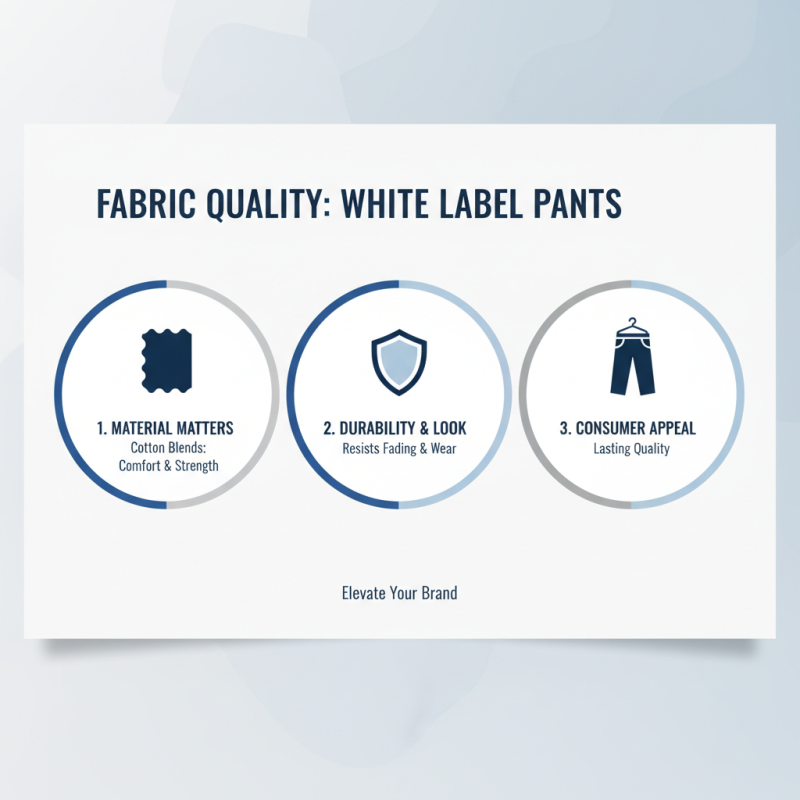
When selecting white label pants for your business, evaluating fabric quality is crucial. The fabric directly influences not only the appearance and feel of the pants but also their overall durability over time. Look for fabrics that offer a balance between comfort and strength, such as cotton blends, which can provide breathability and flexibility while maintaining a structured look. High-quality fabric should also resist fading and wear, ensuring that your product remains appealing to consumers even after multiple washes.
Furthermore, durability in white label pants is a pivotal factor that can define your brand's reputation. Consider stress points such as seams and stitching; reinforced seams will contribute significantly to the lifespan of the pants. Additionally, pay attention to factors like shrinkage and stretch resilience, which can impact both the fit and longevity of the garment. By choosing robust materials and construction techniques, you not only enhance the product's durability but also increase customer satisfaction and loyalty, making it essential to invest time in evaluating these aspects thoroughly.
Analyzing Pricing Strategies and Profit Margins for White Label Products
When selecting the best white label pants for your business, a critical aspect to consider is the pricing strategies and profit margins associated with these products. White label apparel allows businesses to offer branded clothing without incurring the costs and risks of manufacturing. According to a report by Statista, the global private label apparel market was valued at approximately $161 billion in 2020 and is projected to grow steadily, suggesting that there is significant consumer demand for quality white label products. The ability to capitalize on this demand hinges on selecting pants that not only appeal aesthetically but also fit within your pricing structure.
In establishing pricing strategies, it is essential to conduct a thorough analysis of both the cost of goods sold (COGS) and market prices. Industry standards typically suggest maintaining a gross margin between 30-50% for apparel, which allows for sufficient room to cover operating expenses while still offering competitive pricing. A report from IBISWorld highlights that successful white label businesses often capitalize on direct-to-consumer sales channels to mitigate overhead costs and enhance profit margins. This approach enables retailers to set strategic price points that attract customers and foster loyalty, ultimately maximizing revenue potential for their white label pants.
Selecting Reliable Manufacturers and Suppliers for White Label Pants
When selecting reliable manufacturers and suppliers for white label pants, it’s crucial to prioritize quality and consistency.
According to a report by Market Research Future, the global apparel market is anticipated to reach approximately $1.2 trillion by 2025, highlighting the competitive nature of the industry. This demand underscores the importance of collaborating with manufacturers that not only provide high-quality fabrics but also adhere to ethical production practices.
Look for suppliers that can demonstrate their commitment to sustainability, as consumers increasingly prefer brands that are environmentally conscious.
Another critical factor to consider is the manufacturer’s production capacity and delivery timelines. A report from IBISWorld indicates that businesses that maintain efficient supply chains are better positioned to respond to market demands and consumer preferences, which can significantly impact sales performance.
Reliable manufacturers should offer flexibility in order quantities and timely deliveries to ensure that your inventory aligns with consumer demand.
Engaging with suppliers that provide transparent communication and regular updates during the production process can significantly reduce risks associated with delays.
By prioritizing these factors, businesses can successfully navigate the challenges of sourcing white label pants in today's dynamic retail landscape.