Choosing a China-based supplier for Ladies Fashion is not simply a search for the lowest unit price. Global buyers need manufacturers that can turn a design brief into consistent garments, on schedule and at an agreed quality level. Coco Chanel once said, “Fashion is not something that exists in dresses only. Fashion is in the sky, in the street...” Her observation still matters: clothing must work beyond the design board, in real wardrobes and daily routines.
This guide looks at how buyers can assess manufacturers through practical evidence. A well-made sample should show even seams, secure buttons, accurate colors, and fabric that behaves as expected after washing. Buyers should also ask how factories manage size grading, production checks, material sourcing, and delivery updates. Requesting clear quotations and written sample approvals can prevent costly misunderstandings later. Small details matter.
A polished website is not proof of reliable production. Verify a supplier’s capabilities, review relevant references, and compare sample quality with the final order requirements. Ask specific questions about minimum order quantities, lead times, and defect handling. No supplier is perfect. Even experienced teams can face delays or material changes, so honest communication and documented checkpoints matter. This overview helps global buyers compare China’s Ladies Fashion manufacturers with care, spot promising partners, and make sourcing decisions based on evidence rather than attractive promises.
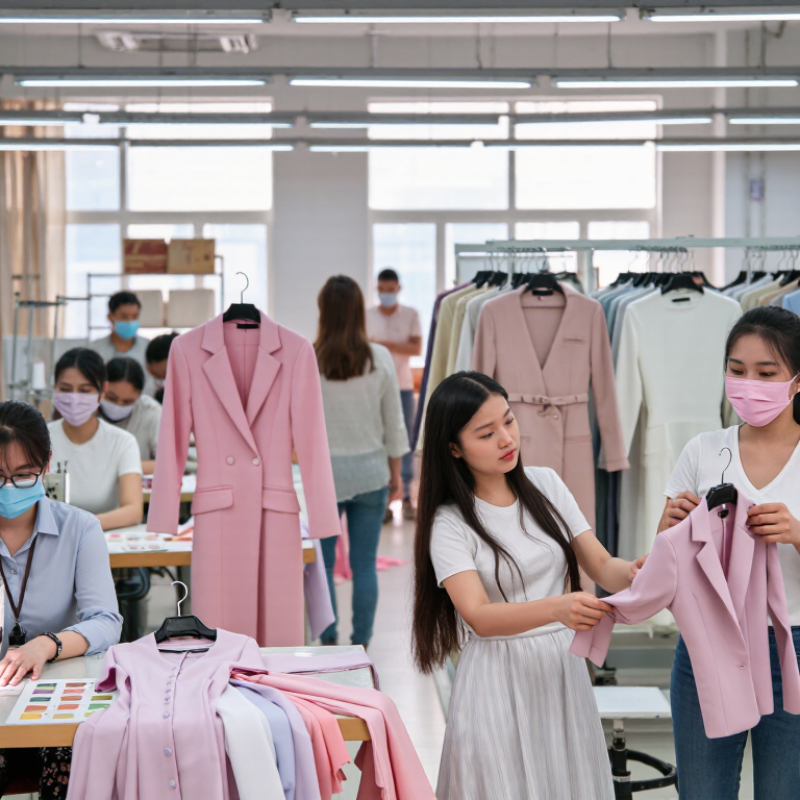
China’s ladies’ fashion manufacturing sector covers more than sewing finished garments. It includes fabric sourcing, trims, pattern development, cutting, stitching, washing, finishing, and quality checks. Products range from knit tops and woven dresses to outerwear and coordinated sets. Some factories handle sampling and small runs; others specialize in large-volume production. The boundary is not always tidy.
China’s National Bureau of Statistics reported that major garment enterprises produced about 24.4 billion pieces in 2023. The China National Textile and Apparel Council, using customs data, reported textile and apparel exports of about US$293.6 billion that year.
These figures show the sector’s scale, but they do not describe every women’s wear supplier or reveal factory-level capabilities. Buyers should verify product category, production capacity, sample lead time, and finishing options directly. That matters.
Tips: Request a sample made with the intended fabric, lining, and trims. Check measurements and seam details in person. Ask how the supplier handles revisions; this step is easy to overlook. A polished sample alone does not prove repeatable bulk quality.
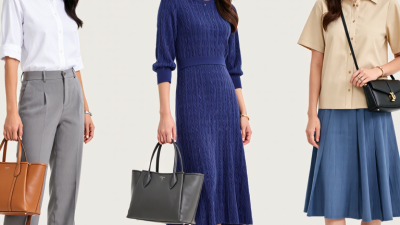
China’s ladies’ fashion supply chain connects fabric mills, trim suppliers, pattern rooms, garment factories, inspection teams, and freight providers. These partners may work in different locations, so clear specifications keep orders aligned. Buyers typically provide a tech pack, size chart, quantity range, and delivery window. Swatches help confirm fabric weight, color, and feel before bulk production begins.
Sampling turns those details into a physical garment. A fit sample can reveal sleeve tension or a hem that hangs unevenly. Small details matter. After approval, the factory plans fabric use, cutting, sewing, and finishing. Inline checks can catch seam or measurement issues before pieces reach final inspection. The process is not always smooth. A revised pattern or delayed fabric can disrupt the schedule, and communication gaps sometimes make small problems larger.
Experienced buyers ask for written specifications, approved samples, measurement tolerances, and inspection records. They also check whether the factory can manage the requested quantity and construction, rather than relying on a low quote alone. Production timelines depend on material readiness, sampling changes, and shipping arrangements. Even careful planning has limits. A color may vary slightly between dye lots, so buyers should agree on acceptable tolerances before production.
Ladies’ fashion manufacturing covers a broad mix of products. Common categories include woven blouses, dresses, skirts, trousers, knit tops, and lightweight outerwear. Each calls for different fabric knowledge and construction choices. A lined dress needs careful seam finishing, while a jersey top depends on consistent stretch and recovery. Small details matter.
Manufacturing capabilities may include pattern development, size grading, fabric cutting, sewing, pressing, and final inspection. Some facilities also coordinate fabric sourcing, embroidery, printing, or garment washing. Buyers should confirm which processes happen in-house and which rely on outside partners. Capacity, lead times, and minimum order quantities vary by product and season. Ask for specifics.
Reliable production starts with clear specifications. A measurement sheet, approved fabric swatch, and trim details help reduce avoidable changes. Samples can reveal fit or hand-feel issues before bulk production, but they are not a guarantee of identical results. That gap deserves attention. Inline checks, recorded measurements, and final garment reviews can catch problems earlier. Even then, no process is perfect; careful communication remains essential.
Global buyers evaluating ladies’ fashion manufacturers should look beyond polished product photos. Request samples in the fabric, color, and size range you plan to order. Check seams, lining, buttons, and print alignment under natural light. Ask how measurements are graded across sizes, and compare the sample with the written specification. A small difference can affect fit across an entire production run. Samples help, but they do not prove every bulk item will match.
Discuss capacity, lead times, minimum order quantities, and quality checks in specific terms. Ask who inspects garments, at which production stages, and how defects are recorded. A capable supplier should explain these steps clearly and share relevant documentation. Confirm that communication is consistent, too. Slow replies during sampling may signal coordination issues later, though one missed message is not enough to judge a business. I have seen buyers focus heavily on price and realize too late that packaging details were never agreed.
Tips: Keep a written scorecard for samples, communication, quality controls, and delivery estimates. Request a production timeline with approval points. Verify references where available, and agree on tolerances before placing an order. No checklist removes all risk; your own criteria may need adjustment after the first shipment.
Sourcing ladies’ fashion in China works best when buyers define the product before requesting prices. Share fabric composition, size charts, color references, stitching details, and packaging needs. A clear specification helps manufacturers quote comparable costs. Ask about minimum order quantities, sample fees, production capacity, and lead times. A factory visit or live video walkthrough can reveal practical details, such as cutting tables and fabric storage. Still, a polished sample does not guarantee every bulk piece will match.
Quality control should begin before production, not only when cartons are ready. Approve a pre-production sample, then agree on measurable checks for dimensions, seams, color consistency, and labeling. Keep dated photos and written records of approved changes. For export planning, confirm carton counts, shipping marks, packing lists, invoice details, and delivery terms with the supplier and freight partner. Requirements vary by destination, so verify current import and documentation rules with qualified local advisers. Even careful plans miss things; a small change in fabric shade can be hard to judge under factory lighting.
Tips: Request a fabric swatch and wash-test it. Use a simple inspection checklist. Leave schedule room for corrections, because rushing can make small defects harder to catch.
Export value provides market context for global buyers, but it is not a measure of any individual manufacturer’s performance. These figures cover textiles and apparel overall, not women’s fashion alone. Assess suppliers separately for product quality, inspection processes, production capacity, lead times, and export documentation.
Source: China Customs export statistics, as reported by the China National Textile and Apparel Council; values rounded to USD billions.