
Bulk Clothing Vendors supply apparel in larger quantities to retailers, brands, organizations, and other buyers. Some make garments themselves; others act as wholesalers or sourcing intermediaries. The label can be imprecise. A vendor’s website may say “manufacturer” even when production happens elsewhere, so buyers should ask direct questions.
Fashion activist and author Orsola de Castro has said, “The most sustainable garment is the one already in your wardrobe.” Her point offers a useful perspective: sourcing decisions matter, but ordering more clothing is not automatically better. A reliable vendor should explain its minimum order quantity, fabric options, size range, sample process, production timeline, and approach to quality checks. Details matter. A sample seam, a fabric label, and a clear defect policy can reveal more than polished product photos.
This guide explains how bulk vendors operate and how to compare them with care. Buyers can review pricing, communication, stock availability, and shipping terms before committing to a large order. They should also verify claims about materials or certifications rather than relying on a logo alone. Ask who makes the garments. Request written specifications. Keep records of agreed details. Even careful checks have limits, and a sample cannot guarantee every piece will match. That is worth remembering. The aim is not to find a perfect supplier, but to make a better-informed choice and know what still needs scrutiny.
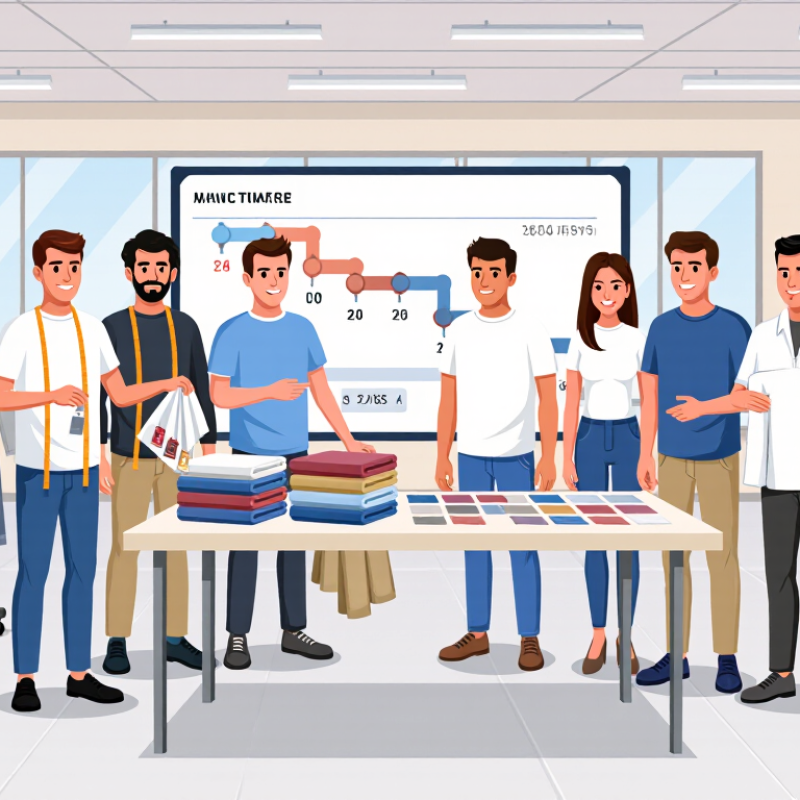
What Are Bulk Clothing Vendors?
What Bulk Clothing Vendors Are and How They Differ from Retailers
Bulk clothing vendors sell garments in larger quantities, often to businesses, organizations, or independent sellers. They may offer wholesale pricing, case packs, or custom production, depending on their business model. A carton might contain several sizes of one shirt style, rather than one individually selected item.
Retailers usually sell directly to the person who will wear the clothing. They display individual pieces, offer smaller purchase quantities, and often provide convenient returns or exchanges. Bulk vendors focus more on order volume, stock availability, and repeat supply. That difference matters. A lower unit price may come with a minimum order, limited size choices, or longer delivery times.
Before placing an order, check the minimum quantity, fabric details, size chart, and shipping schedule. Ask whether colors and sizes can be mixed within a case. If possible, inspect a sample: a fabric that looks sturdy online may feel thin, and sizing can vary between production runs. Policies also differ; some vendors accept returns for defects but not for unsold stock. Bulk purchasing can reduce costs, but it can also leave a buyer with boxes of the wrong sizes. A small test order may be wiser, even when the per-item price is less attractive.
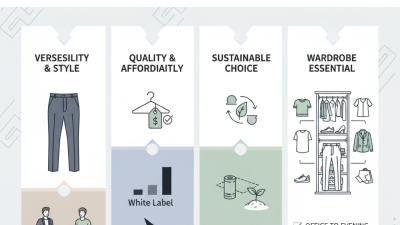
Bulk clothing vendors connect apparel makers with retailers, uniform suppliers, and other businesses buying in quantity. They may source finished garments from factories or arrange production using selected fabrics, colors, and size ranges. A vendor’s role often includes more than placing an order. They coordinate samples, production schedules, inspections, and shipping.
Sourcing starts with a clear product brief. For example, a buyer might request 500 cotton shirts in three colors, with a specific fabric weight and size breakdown. The vendor checks factory capacity, material availability, and minimum order quantities before confirming a price and timeline. Samples matter. A fabric can feel soft in a small swatch but behave differently after washing, so buyers should test garments before committing.
After production, vendors may inspect measurements, stitching, labels, and packaging. Some check every item; others inspect a sample from each batch. Ask which process applies. It can vary. Orders are then packed by style or size and shipped to a warehouse, store, or fulfillment center. Delivery estimates depend on production time, stock levels, and freight arrangements. Even careful planning can miss something—size ratios, for instance, are easy to underestimate. Confirming those details in writing helps prevent avoidable delays and surplus stock.
buy garments from factories and resell them in larger quantities. They often offer mixed styles, sizes, and colors, which can help a small retailer test demand. Minimum order quantities vary, so check whether they apply per style or across the whole order. Ask for a size chart and fabric details. Useful details.
make clothing directly and may support custom colors, labels, or cuts. This route can suit a business with a clear design and predictable demand. However, production usually takes longer, and sample approval matters. Compare the sample’s stitching, measurements, and fabric weight with the final order terms. One sample is not a guarantee.
sell surplus, discontinued, or excess inventory, often at lower prices. Availability can change quickly, and matching the same item later may be difficult.
offer undecorated basics, such as plain shirts and sweatshirts, for printing or embroidery elsewhere. Before ordering, confirm stock counts, defect policies, shipping costs, and whether repeat orders can match the original batch. Vendor descriptions can sound precise; sometimes they are not. A small test order can reveal fit and consistency before a larger purchase.
Bulk clothing vendors sell garments in larger quantities, often at lower per-item prices. Their customers include independent boutiques, online sellers, uniform suppliers, and organizations ordering shirts for staff or events. A small shop might buy 40 plain tees in several sizes; a catering company may need durable, easy-care uniforms. These buyers value predictable sizing, reliable restocks, and clear delivery dates—not just the lowest quote.
Demand also reflects a competitive market. McKinsey’s State of Fashion 2024 report projected global fashion sales growth of 2–4% in 2024. That broad estimate does not predict any individual retailer’s results. For buyers, bulk orders can simplify inventory planning, but they also tie up cash and risk unsold sizes or colors. Schools, gyms, hospitality businesses, and promotional-product sellers may buy in volume for practical or branded apparel, though their specifications differ.
Tips: Request a size run or sample before placing a large order. Confirm fabric weight, shrinkage guidance, minimum quantities, and reorder timing in writing. Compare the delivered cost, including freight and possible defects. A low unit price can still disappoint when the fit varies.
A reliable bulk clothing vendor should be assessed on consistency, not just the price per piece. Request a written quote that separates garment cost, packaging, sampling, and freight. Check minimum order quantities, available sizes, fabric composition, and realistic production lead times. Ask for recent quality records and a pre-production sample; inspect stitching, seams, color, and measurements against your specifications. A polished sample is not proof. Production batches can vary.
McKinsey’s 2024 State of Fashion report found that 71 percent of surveyed fashion executives planned to increase sourcing from nearshore destinations. That shift makes it especially useful to ask where garments are made and how suppliers manage delays. Request evidence of delivery performance, clear defect-resolution terms, and updates during production. Compare the delivered cost, not just the quoted unit price. It is easy to overweight a low quote. I would also test the vendor with a modest first order, then compare the received pieces with the approved sample. Keep written records of changes; even small details, like a slightly different sleeve length, can matter to customers.
Bulk clothing vendors supply garments in larger quantities to retailers, businesses, organizations, or other buyers. Compare vendors against your product requirements and confirm all terms in writing before placing an order.
| Evaluation Factor | What to Check | Evidence to Request | Practical Benchmark or Warning Sign |
|---|---|---|---|
| Minimum order quantity (MOQ) | The smallest order accepted per style, color, or size, and whether quantities can be mixed. | A written quotation showing MOQ by product, color, and size. | Confirm that the MOQ fits your budget and sales forecast. Check whether a low total MOQ still requires a high quantity per color or size. |
| Product quality and consistency | Fabric composition, garment construction, sizing, color consistency, and finish. | Physical samples, product specifications, size charts, and any available inspection records. | Compare a production sample with the final order. Do not rely on photos alone when fit, hand feel, or color accuracy matters. |
| Pricing and total landed cost | Unit price plus setup, labeling, packaging, freight, duties, taxes, and other applicable charges. | An itemized quotation with currency, price breaks, shipping terms, and payment schedule. | Compare the total delivered cost, not just the unit price. Clarify which party pays freight, insurance, and import charges. |
| Production and delivery lead time | Time for sampling, production, quality checks, and shipping. | A dated production schedule and estimated shipping method and transit time. | Ask whether quoted lead time begins after deposit, sample approval, or final specifications. Allow for delays and customs clearance. |
| Customization capability | Options for fabric, colors, labels, prints, embroidery, packaging, or garment specifications. | Customization limits, setup charges, artwork requirements, and approval samples. | Get written confirmation that requested details can be produced at your order quantity and within your schedule. |
| Quality-control process | How materials and finished garments are inspected, and how defects are handled. | Inspection criteria, defect policy, inspection reports, and the process for claims or replacements. | Agree on acceptable quality standards before production. Clarify claim deadlines and responsibility for rework, replacement, or refund. |
| Communication and documentation | Response clarity, consistency of information, and willingness to document commitments. | Written specifications, purchase order terms, invoices, and a named point of contact. | Look for clear, timely answers. Treat changing terms or verbal promises that are not confirmed in writing as risks. |
| Payment terms and risk | Deposit, balance due date, accepted payment methods, and protections for both parties. | A formal payment schedule, invoice, and written order terms. | Understand when each payment is due and what triggers it. Be cautious of pressure to pay through unusual or non-traceable methods. |
| Compliance and traceability | Whether products and materials meet the requirements applicable to the destination market and intended use. | Relevant test reports, material declarations, origin information, and supporting records where applicable. | Requirements vary by product and market. Verify applicable labeling, safety, and import rules rather than assuming one standard applies everywhere. |
| Returns, shortages, and dispute handling | How the vendor handles damaged goods, quantity discrepancies, late delivery, and disagreements. | Written terms for claims, evidence requirements, deadlines, and available remedies. | Make sure remedies and claim windows are clear before ordering, especially for custom or made-to-order goods. |
Use this checklist to compare quotations on a like-for-like basis. Benchmarks depend on product type, order size, destination, and season; verify each vendor’s claims and terms before committing.