2026 Best White Label Clothing Options for Global Buyers?
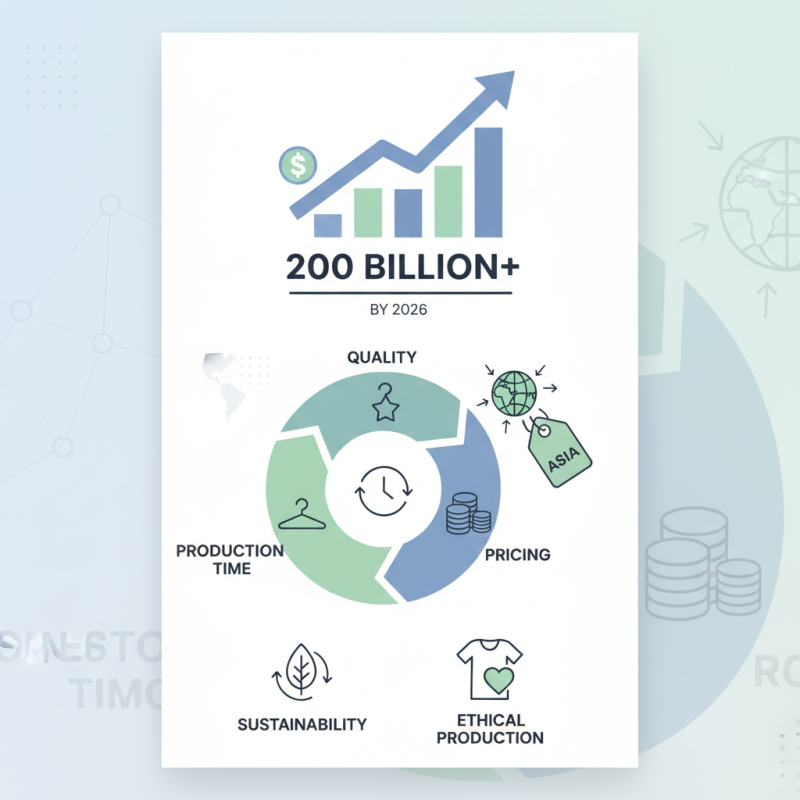
White Label Clothing has emerged as a significant player in the global apparel market. According to a report by Market Research Future, the global private label market is expected to exceed $200 billion by 2026. This growth reflects the rising demand for customized apparel. Brands and retailers increasingly leverage white-label options to meet diverse consumer needs, maximizing their profit margins.
Choosing the best white label clothing can be challenging. Various factors influence this decision. Quality, production time, and pricing are crucial elements. For instance, manufacturers in Asia often offer competitive pricing but may vary in quality standards. Buyers need reliable partners who prioritize efficient production processes. It is essential to assess these criteria thoroughly to succeed.
Moreover, the landscape of white label clothing is constantly evolving. Trends in sustainability are becoming vital. Brands must consider eco-friendly materials and ethical production methods. This shift demonstrates a growing consumer preference for responsible fashion. Buyers who acknowledge these factors can make informed choices. Careful reflection on these trends will help in selecting the right white label clothing options.
Overview of White Label Clothing and Its Global Market Appeal
White label clothing has become a significant trend in the global apparel market. This approach allows businesses to sell products manufactured by other companies under their own brand. According to a report by Statista, the global apparel market is expected to reach $2 trillion by 2026. This indicates a growing interest in diverse and customized clothing options.
The appeal of white label clothing lies in its flexibility. Companies can choose styles, materials, and sizes that cater to their unique customer base. Moreover, it streamlines inventory management by allowing businesses to focus on marketing rather than production. However, this model comes with challenges. Quality control can vary significantly among suppliers, potentially leading to consumer dissatisfaction. A survey by McKinsey revealed that 64% of consumers prioritize quality over brand name, emphasizing the need for companies to vet their suppliers thoroughly.
In addition, the rise of e-commerce has made white label clothing more accessible. Brands can test new markets without significant initial investment. Yet, the crowded market increases competition, making differentiation vital. Businesses must develop a strong online presence and marketing strategy to stand out. Despite the opportunities, companies should remain vigilant about their suppliers’ practices and customer feedback, ensuring that they can maintain a solid reputation in a competitive landscape.
Popular Categories of White Label Clothing for Different Buyers
The demand for white label clothing continues to rise globally. According to industry reports, the market is projected to grow to USD 62 billion by 2026. Various categories cater to diverse buyer needs. This trend emphasizes the importance of quality and customization in apparel.
Athletic wear represents a popular category. It appeals to health-conscious consumers looking for trendy and durable options. A survey indicated that 70% of millennials prefer buying activewear over traditional garments. Casual wear also holds significant market interest. As remote work increases, buyers seek comfortable, stylish clothing for home.
Sustainability is another key factor influencing purchasing decisions. Recent statistics show that 66% of consumers prefer eco-friendly clothing options. This shift prompts brands to explore sustainable fabrics and practices. However, the challenge remains in balancing affordability and quality. Many buyers report dissatisfaction with products lacking durability, emphasizing the need for mindful choices.
Top Regions for Sourcing Quality White Label Clothing
When sourcing quality white label clothing, certain regions stand out. Asia remains a significant player, particularly countries like Bangladesh and Vietnam. These regions offer lower production costs and have a well-established textile industry. Factories in these countries often provide a variety of fabric options, ensuring diverse product ranges for different markets.
Europe is another valuable region for sourcing. Countries such as Portugal and Turkey are known for premium quality and ethical manufacturing. Many European manufacturers prioritize sustainable practices, which is increasingly important for buyers. However, prices can be higher, and negotiation might require more effort.
North America is a growing alternative. The U.S. and Canada offer quick turnaround times and local support, which can be a game-changer for businesses. Although production costs are higher, the benefits of shorter shipping times and lower tariffs cannot be overlooked. Buyers should carefully evaluate their priorities. Balancing cost and quality is crucial for long-term success.
2026 Best White Label Clothing Options for Global Buyers - Top Regions for Sourcing Quality White Label Clothing
| Region |
Key Features |
Average Price per Unit ($) |
Minimum Order Quantity (MOQ) |
Lead Time (Days) |
| Asia |
Large variety, competitive prices, high production capacity |
2-5 |
100 |
30 |
| Europe |
High quality, eco-friendly options, skilled labor |
5-15 |
50 |
20 |
| North America |
Quick turnaround, local shipping, trendy designs |
10-20 |
75 |
15 |
| South America |
Emerging market, low labor costs, new designs |
3-8 |
200 |
40 |
| Africa |
Growing industry, artisanal products, sustainability focus |
4-9 |
150 |
50 |
Future Trends in the White Label Clothing Industry for 2026
The white label clothing industry is evolving rapidly. As we approach 2026, several trends are shaping its future. Sustainability is at the forefront. Consumers demand eco-friendly materials and ethical production practices. Brands must adapt to these expectations. Innovative fabrics, such as recycled polyester and organic cotton, are becoming standard.
Customization also plays a pivotal role. Buyers want unique designs that reflect their brand identity. Options for custom prints and colors are increasingly available. This allows smaller businesses to stand out in a crowded market. However, meeting these demands poses challenges for manufacturers. They must invest in technology and training, which may require time and resources.
Additionally, the importance of e-commerce cannot be overlooked. More consumers shop online, making it crucial for brands to enhance their digital presence. User-friendly websites and effective marketing strategies are essential. Many brands may struggle to keep pace with this shift. It's a constant challenge to balance quality and speed in production. Adapting to these trends will determine their success in the global market.
2026 Best White Label Clothing Options for Global Buyers