What is African Dashiki Suits? Style, Culture, and Where to Buy
African Dashiki Suits are much more than just fashionable clothing; they represent a rich tapestry of culture, history, and identity within the African community. Renowned fashion historian Dr. Amara Nkrumah emphasizes this significance, stating, “The Dashiki is not just a piece of clothing; it is a cultural statement symbolizing heritage and pride.” This vibrant garment has evolved to become a staple in modern fashion, celebrated for its bold colors, intricate designs, and versatile silhouettes.
In exploring the world of African Dashiki Suits, one can uncover the deeper meanings behind the patterns and styles, each telling a unique story of the wearer's background and experiences. These suits have transcended geographical boundaries, drawing attention from fashion enthusiasts worldwide who appreciate the blend of traditional elements with contemporary flair.
Whether for a special occasion or casual wear, African Dashiki Suits are increasingly sought after, reflecting a deep appreciation for African culture in the global fashion landscape. As people continue to embrace diversity in their wardrobe choices, the Dashiki remains a powerful symbol of pride, resilience, and connection to one's roots.
What are African Dashiki Suits? An Overview of Their Significance
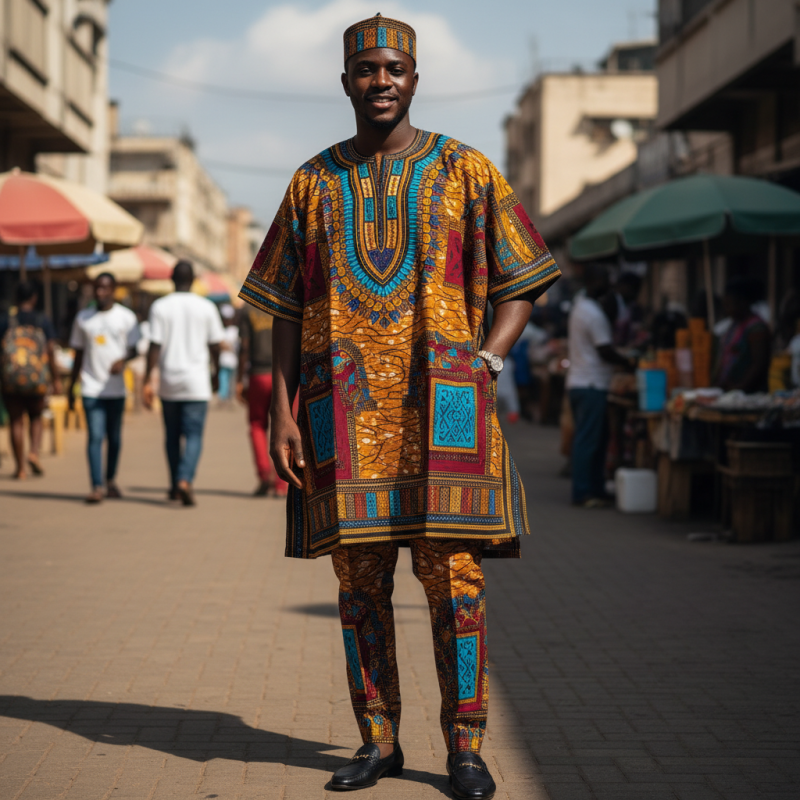
African Dashiki suits are a colorful representation of rich cultural heritage and artistry. Originating from West Africa, Dashiki garments typically feature loose-fitting tops adorned with vibrant patterns, which often include intricate embroidery along the neckline. These suits have transcended their traditional roots, becoming popular fashion statements across the globe, reflecting both individual style and cultural pride. According to a report by the African Fashion Industry, the global market for African-inspired fashion has experienced significant growth, projected to reach $8 billion by 2024, indicating a broadening appreciation for these cultural garments.
The significance of African Dashiki suits lies not only in their aesthetic appeal but also in their deep-rooted historical context. Traditionally worn during important ceremonies and celebrations, these suits symbolize community pride and cultural identity. They often serve as a means of storytelling, with certain patterns and colors representing various African tribes and their unique narratives. As the demand for culturally significant clothing grows, the Dashiki suit has emerged as a prominent symbol of African pride, fostering a sense of connection among people of African descent worldwide. The trend has also sparked interest in ethical fashion practices, with consumers increasingly seeking out handmade and sustainably sourced garments that honor traditional craftsmanship.
Historical Roots of Dashiki: Origin and Evolution in African Culture
 The dashiki, a colorful garment worn in West African cultures, has deep historical roots that reflect the richness of African heritage. Originally developed in the 1960s, the dashiki became a symbol of pride and cultural identity during the Civil Rights Movement in the United States. Its design, featuring intricate patterns and vibrant colors, can be traced back to traditional African textiles, which have been used for centuries in various ceremonial contexts. The transition from a regional to a global fashion statement demonstrates its evolving role in promoting African culture and identity.
As the dashiki gained popularity beyond Africa, it began to embody a sense of cultural reclamation for many individuals, especially within the African diaspora. According to recent trends in cultural fashion, the global dashiki market is expected to grow, driven by increased interest in African culture and heritage. Reports indicate that the market for dashikis will see a substantial rise, with a projected growth rate of approximately 5% in the next five years. This reflects a broader revival of interest in ethnic and cultural apparel, highlighting the significance of traditional garments in contemporary fashion.
Tips: When choosing a dashiki, consider the occasion and how you wish to express your cultural appreciation. Opt for authentic pieces that reflect traditional craftsmanship, often characterized by handwoven fabrics and unique patterns. Additionally, layering a dashiki with modern staples can create a balanced look that celebrates both heritage and contemporary style.
Common Styles and Designs of Dashiki Suits: Patterns and Fabrics
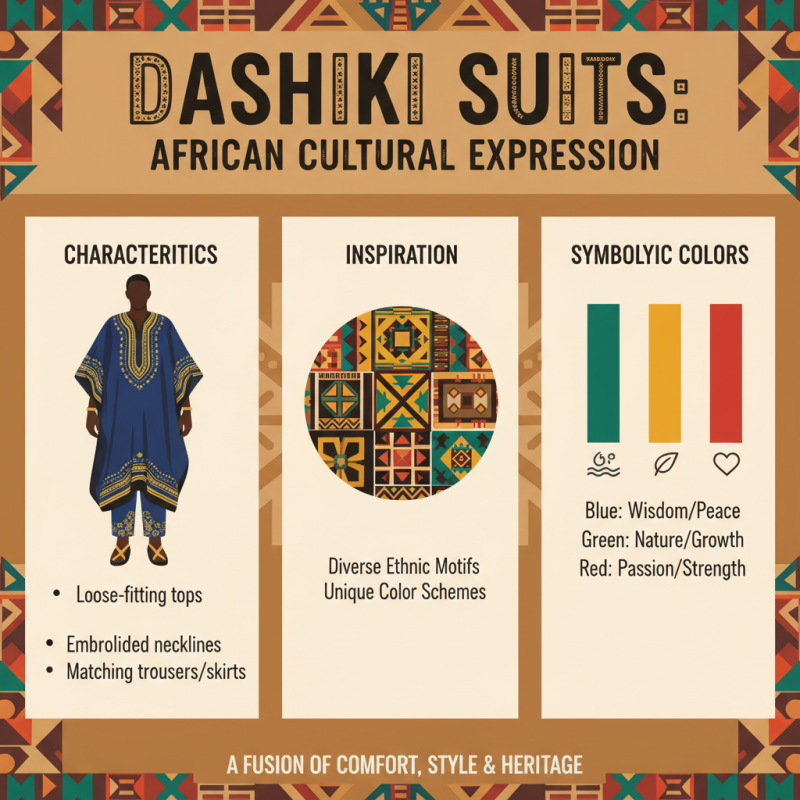
Dashiki suits represent a vibrant expression of African culture, characterized by their distinct patterns and fabrics. These garments often feature elaborate designs that draw inspiration from various African ethnic groups, each with its unique motifs and color schemes. Common styles include loose-fitting tops, often adorned with embroidered necklines, and matching trousers or skirts, allowing for both comfort and style. The colors typically reflect the rich heritage of African culture, incorporating bright hues like blue, green, yellow, and red, which are not just visually appealing but also carry significant meanings in different communities.
The fabrics used in dashiki suits are equally noteworthy, ranging from lightweight cotton to more luxurious materials like silk. Natural fabrics are preferred for their breathability, making them suitable for different climates. Additionally, traditional techniques such as batik and tie-dye are often employed to create the distinctive patterns that set dashiki suits apart from more Western styles. The combination of these vibrant designs and comfortable fabrics not only celebrates African heritage but also brings a sense of modernity to traditional wear, making dashiki suits a popular choice for casual and formal occasions alike.
How to Wear Dashiki Suits: Styling Tips for Different Occasions
Dashiki suits are a vibrant expression of African culture, and they can be styled for various occasions with ease. When dressing for formal events, opt for a fitted dashiki suit made from high-quality fabric, featuring intricate embroidery or bold patterns. Pair it with classic dress shoes to maintain a polished look. For a wedding or celebration, accessorizing with traditional jewelry can enhance the cultural appeal of the outfit. Consider integrating a matching headwrap or scarf to complete the ensemble, making a striking statement while honoring heritage.
For more casual settings, a relaxed dashiki suit can be the perfect choice. Lightweight materials and looser fits make it comfortable while retaining a stylish flair. Pair it with loafers or stylish sandals, and feel free to layer with a simple t-shirt underneath for a modern twist. When attending community gatherings or cultural festivals, playful prints and colors can showcase personal style while embracing the spirit of the event. Remember, the key to wearing dashiki suits is to feel confident and connected to the cultural significance they represent.
African Dashiki Suits Popularity by Occasion
Where to Buy Authentic Dashiki Suits: Retailers and Online Stores
If you're looking to purchase authentic African dashiki suits, there are several options available both in physical stores and online platforms. Many retailers, particularly those specializing in ethnic wear, offer a range of dashiki styles that reflect the rich cultural heritage associated with this vibrant attire. Visiting local boutiques or cultural shops can provide you with the opportunity to see and feel the fabric, ensuring you select the right size and style that speaks to your personal taste.
For those who prefer the convenience of online shopping, numerous websites cater specifically to African fashion. These platforms often feature a diverse collection of dashiki suits, showcasing various colors, patterns, and sizes. Shopping online allows for easy comparison between different styles and prices, and many sites offer international shipping. When opting for online purchases, it’s essential to check customer reviews and return policies to ensure a satisfactory shopping experience.
What is African Dashiki Suits? Style, Culture, and Where to Buy
| Attribute |
Description |
| Origin |
West African traditional attire |
| Materials |
Cotton, silk, and synthetic fabrics |
| Style Variations |
Different patterns, colors, and fits |
| Cultural Significance |
Symbol of cultural pride and identity |
| Occasions |
Festivals, weddings, and other celebrations |
| Where to Buy |
Local boutiques, markets, and online retailers |
| Price Range |
$20 to $200 depending on fabric and design |