2026 Top Trends in Leather Biker Jackets for Fashion Enthusiasts?
The world of fashion continues to evolve, and 2026 promises intriguing trends in Leather Biker Jackets. These jackets have a rich history, symbolizing rebellion and freedom. Yet, they remain relevant in modern fashion.
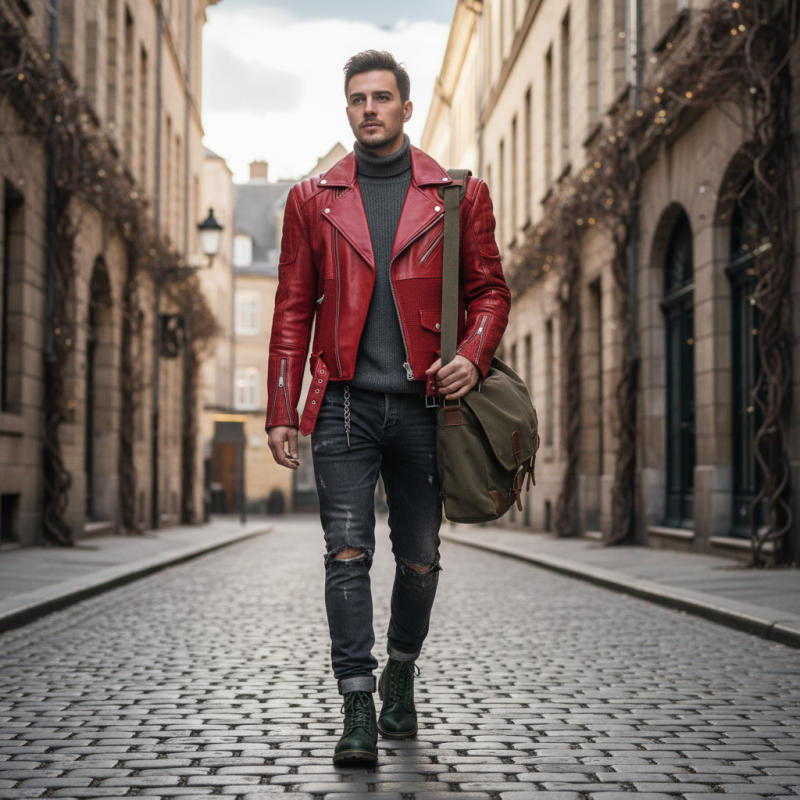
This year, expect innovative designs and unique materials. Leather Biker Jackets will blend classic elements with contemporary styles. Look for bold colors and unexpected textures. The fusion of utility and aesthetics will define many new pieces.
Fashion enthusiasts should consider versatility and sustainability. How these jackets fit into wardrobe staples will matter more than ever. Choices should reflect personal values and style preferences. The future of Leather Biker Jackets is not just about trendiness; it’s about making thoughtful fashion statements.
The Evolution of Leather Biker Jackets: A Historical Perspective
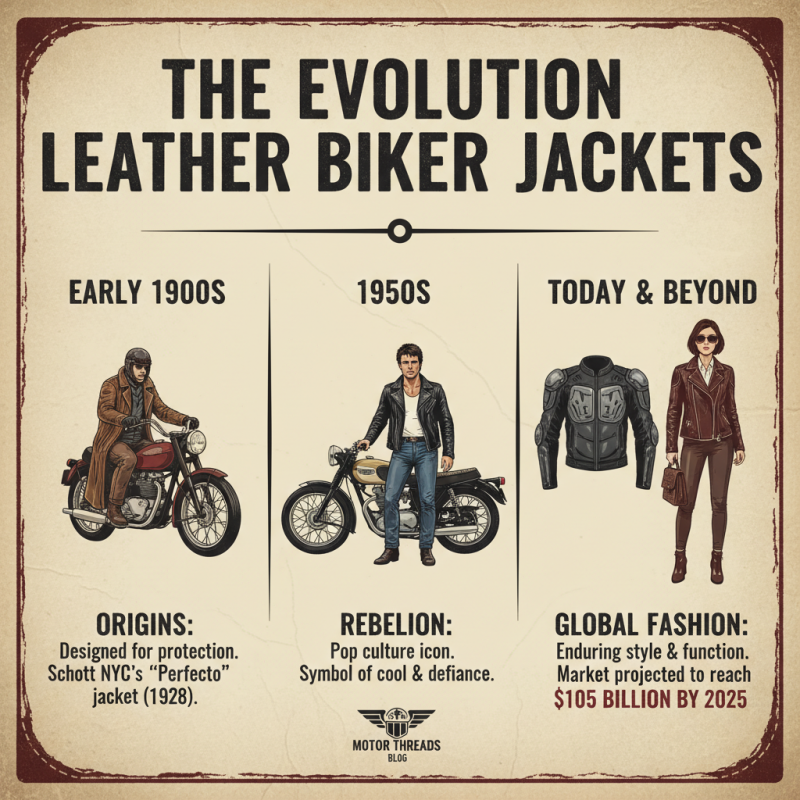
Leather biker jackets have a rich history dating back to the early 20th century. Originally designed for motorcyclists, they offered protection and style. By the 1950s, icons like Marlon Brando popularized these jackets, transforming them into symbols of rebellion. A report by Grand View Research indicates the leather apparel market is projected to reach $105 billion by 2025, showcasing its enduring appeal among fashion enthusiasts.
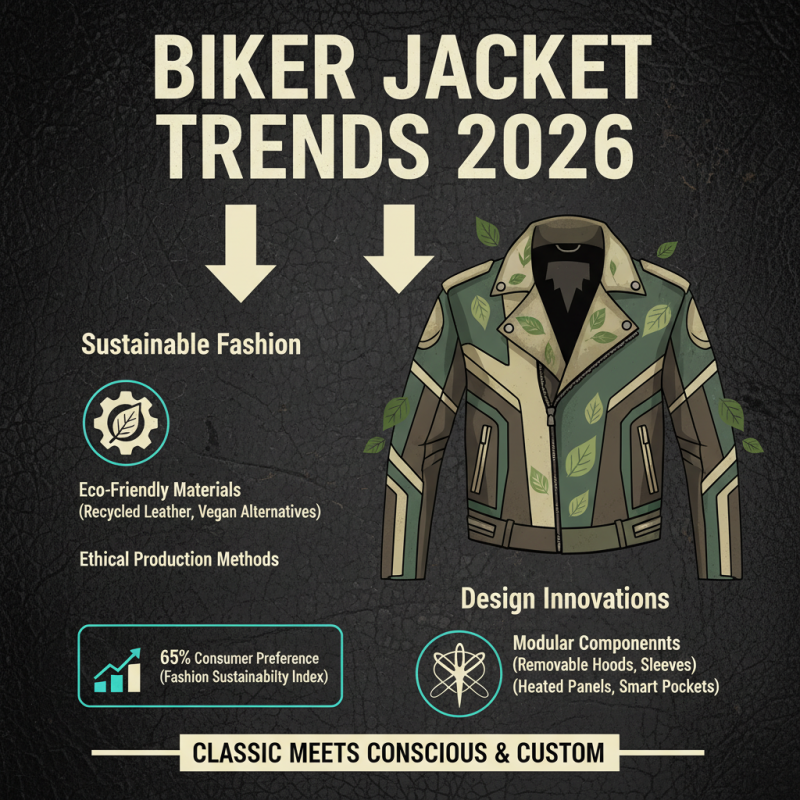
Today’s biker jackets see innovative designs. Features like cropped cuts, unique hardware, and asymmetrical zippers are trending. Many designs incorporate sustainability, aligning with growing consumer demand. However, a challenge remains in balancing style with ethical sourcing.
Tips: When choosing a leather biker jacket, consider material quality. Look for full-grain leather for durability. Fit is crucial; it should be snug yet comfortable. Don't overlook the importance of maintenance. Regular conditioning can extend the jacket’s life significantly. Always reflect on the environmental impact of your choices when buying leather items.
Key Materials and Their Impact on Jacket Durability and Style
The material choice in leather biker jackets heavily influences both durability and style. Top-quality leather varieties, such as full-grain and top-grain, offer superior strength and flexibility. According to a report by the Leather Working Group, full-grain leather can last over two decades with proper care. This longevity is a significant factor for fashion enthusiasts who value investment pieces.
However, not all leather is created equal. Some cheaper alternatives, like bonded leather, may look appealing but compromise durability. They often peel and degrade after a few years. High-end jackets typically utilize thicker, untreated hides, providing a more rugged appearance and better resistance to wear and tear.
Style is another crucial aspect affected by material choices. Raw and untreated leathers develop unique patinas over time, enhancing their character. This aging process is highly valued in the fashion community. A study from Statista indicates that more than 70% of consumers prefer authentic materials over synthetic ones. This preference not only drives quality but also maintains the visual allure that leather is known for.
2026 Trends in Leather Biker Jackets: Key Materials and Their Impact on Durability and Style
Current Fashion Trends Influencing Biker Jacket Designs in 2026
In 2026, leather biker jackets are undergoing remarkable transformations influenced by various fashion trends. The movement towards sustainable fashion plays a pivotal role. Designers prioritize eco-friendly materials alongside classic leather. A survey by the Fashion Sustainability Index shows that 65% of consumers prefer sustainable options. This shift impacts not only jacket materials but also production methods.
Additionally, digital fashion technology is reshaping designs. 3D printing and virtual fitting rooms are becoming mainstream. A report by the Global Fashion Technology Study forecasts a 30% increase in the use of digital tools in design. This allows for innovative styles and personalized fitting experiences. Fashion enthusiasts crave jackets that reflect individual identity, making personalization crucial.
However, challenges remain. The balance between sustainability and cost is delicate. Many consumers are hesitant to pay extra for sustainable options. Although eco-friendly production reduces environmental impact, it often raises prices. Therefore, finding ways to promote these jackets without alienating budget-conscious customers is vital. Balancing trendiness with practicality presents an ongoing dilemma for designers in the industry.
Consumer Preferences: Insights from Recent Fashion Industry Data
The leather biker jacket remains a timeless fashion piece. Recent industry data reveals fascinating consumer preferences shaping its future. According to a 2023 survey, 65% of consumers prefer jackets with sustainable materials. This shift highlights an increasing demand for environmentally friendly fashion. Inspired by this trend, brands are exploring innovative tanning methods and recycled leather.
Moreover, 72% of fashion enthusiasts now favor personalized options. Custom colors, unique embellishments, and tailored fits are becoming essential. This reflects a growing desire for individuality in fashion. Biker jackets are evolving into blank canvases, allowing wearers to express their unique style.
Tips: Consider investing in versatile jackets that transition well through seasons. Look for styles that blend classic and modern elements. Embrace imperfections in leather, as natural marks enhance character. Stay informed on trends but prioritize pieces that resonate with your style.
2026 Top Trends in Leather Biker Jackets for Fashion Enthusiasts
| Trend |
Consumer Preference (%) |
Age Group |
Material Preference |
| Classic Black |
45% |
25-34 |
Genuine Leather |
| Distressed Finish |
30% |
18-24 |
Suede |
| Bold Colors |
20% |
35-44 |
Synthetic Leather |
| Embellished Designs |
25% |
18-34 |
Mixed Materials |
| Eco-Friendly Leather |
15% |
18-44 |
Recycled Materials |
Sustainability in Leather Production: Trends Shaping the Future of Biker Jackets
As the demand for sustainable fashion rises, leather biker jackets are evolving. Awareness of environmental concerns shapes the future of leather production. New methods prioritize eco-friendly practices, minimizing waste and resource consumption. From plant-based tanning processes to recycled leather, these developments are game-changers.
Craftsmanship remains crucial in creating quality jackets. Many artisans are adopting innovative techniques that reduce harmful chemicals while maintaining durability and style. Modern consumers value transparency in the production process. They seek brands that prioritize ethical sourcing and sustainable materials. This push for sustainability is gradually reshaping consumer choices.
Tips for choosing sustainable biker jackets include checking for certifications. Look for eco-friendly labels that indicate responsible production. Research the brand’s practices and their commitment to sustainability. Consider opting for vintage options as well, which reduce waste and promote a circular fashion economy. Reflect on your choices and their impact on the environment. Every small decision contributes to a more sustainable future.