inquiry
Inquiry
Form loading...

2025 Top 10 Private Label Clothing Trends You Need to Know Now

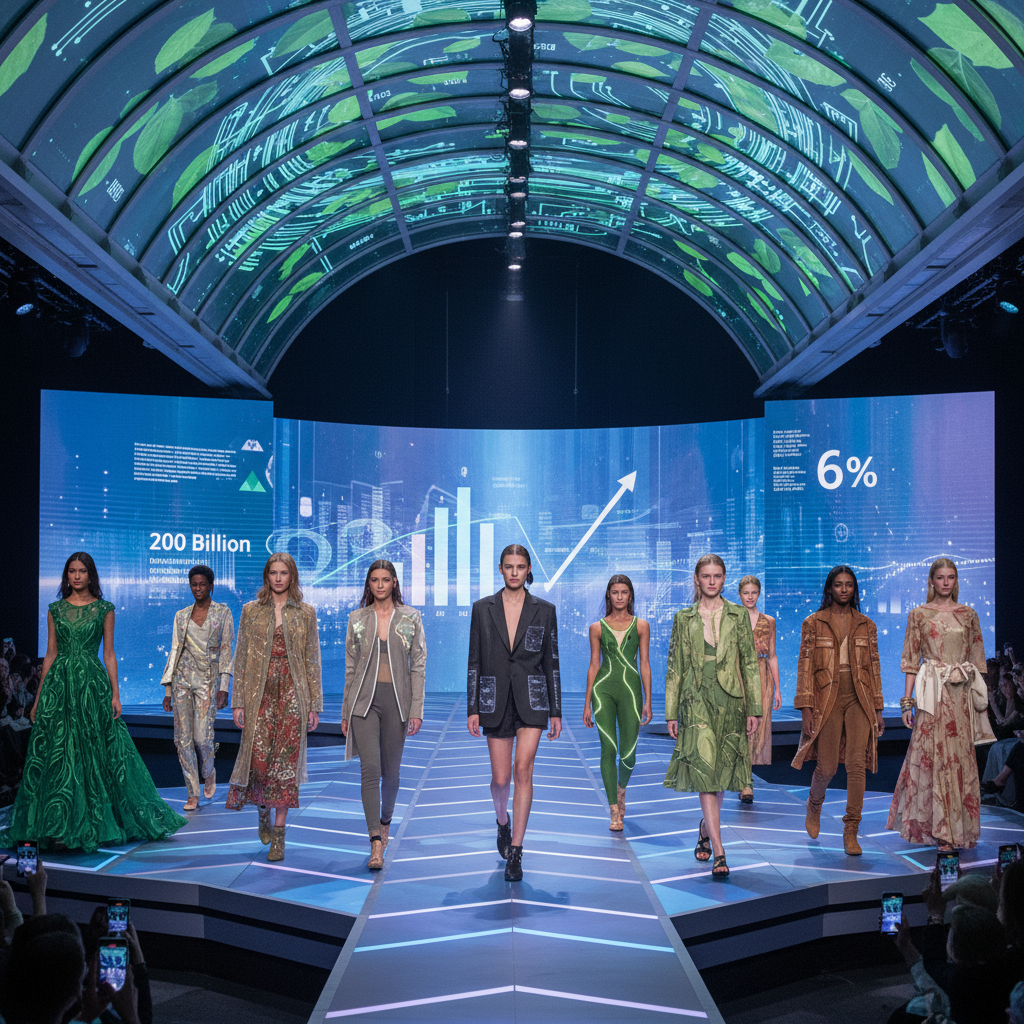
The landscape of the fashion industry is evolving at an unprecedented pace, particularly in the domain of Private Label Clothing. As consumer preferences shift towards personalized and unique offerings, private label brands are quickly gaining traction. According to a recent report by GlobalData, the private label market is projected to reach a staggering $200 billion by 2025, demonstrating a compound annual growth rate (CAGR) of over 6%. This growth is driven by increased consumer demand for high-quality, affordable apparel that aligns with individual tastes and lifestyle choices.

In the coming years, it's crucial for retailers and brand owners to stay ahead of the curve by understanding the top trends shaping the private label clothing sector. With sustainability and technological innovation at the forefront, industry leaders are finding new ways to differentiate their offerings. Furthermore, a study by Statista indicates that over 60% of consumers are willing to pay more for sustainable products, highlighting the importance of eco-friendly clothing lines in the private label market. As we delve into the top 10 private label clothing trends for 2025, we will explore how these developments will influence consumer behavior and shape the future of fashion retail.
2025 Top 10 Private Label Clothing Trends You Need to Know Now

Identifying Key Fabrics for Sustainable Private Label Clothing in 2025

2025 Top 10 Private Label Clothing Trends You Need to Know Now

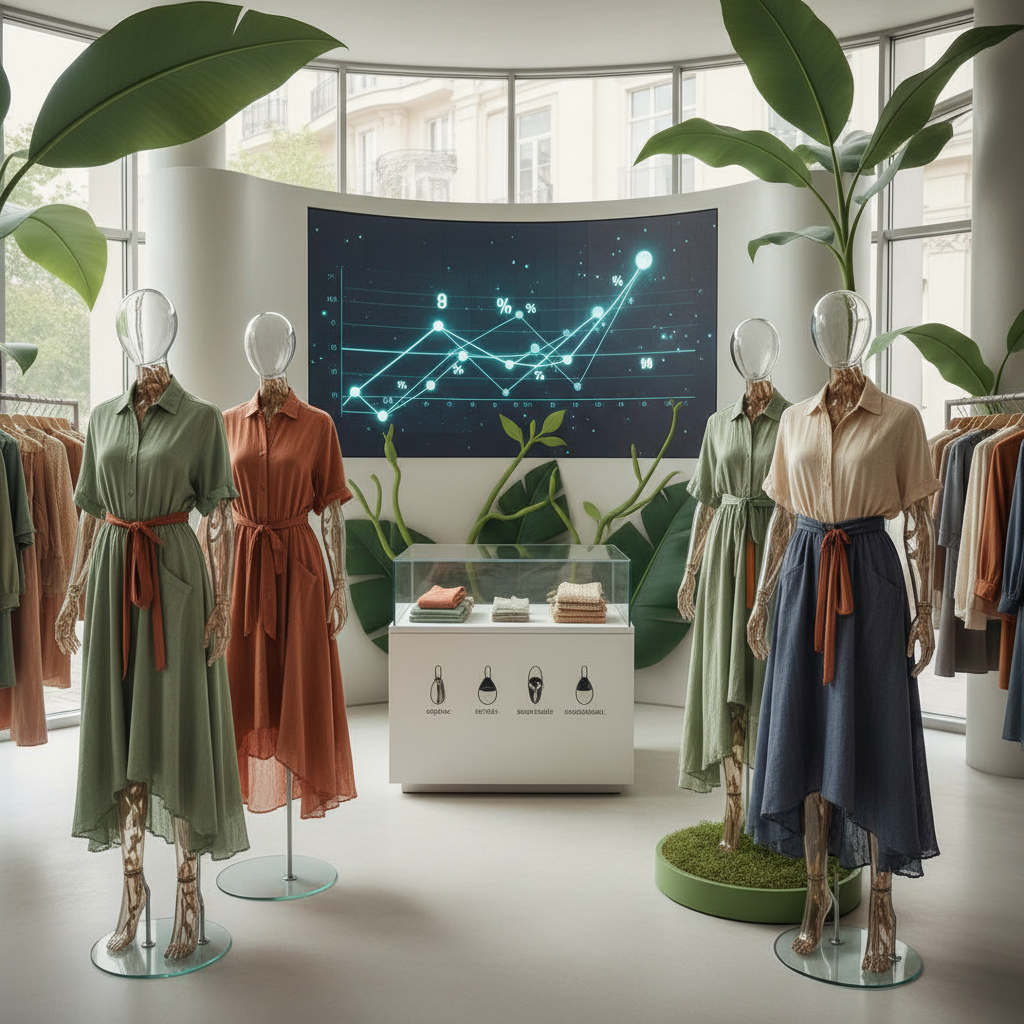
As we move towards 2025, the private label clothing sector is poised to prioritize sustainability, driven by increasing consumer awareness and preferences for eco-friendly products. A recent report by the Global Sustainable Textiles Market indicates that the sustainable fabrics market is projected to grow at a CAGR of 9.7% from 2021 to 2026. This growth highlights a shift in consumer demand towards clothing made from organic, recycled, and biodegradable materials.

Key fabrics such as organic cotton, Tencel, and recycled polyester are expected to dominate the landscape of sustainable private label clothing. Organic cotton is not only environmentally friendly, as it is grown without harmful chemicals, but it also supports biodiversity. According to Textile Exchange, organic cotton farming can use up to 91% less water compared to conventional methods. Tencel, derived from sustainably sourced wood pulp, exemplifies the balance between luxury and sustainability, offering breathability and softness. Meanwhile, recycled polyester, made from post-consumer plastic bottles, helps divert waste from landfills and reduces reliance on virgin materials.

Brands that successfully incorporate these fabrics into their lines are not only responding to the market's trends but also setting a standard for sustainability in fashion. By investing in these key materials, private label clothing companies can meet consumer demands while making meaningful contributions to the environment.
Mastering Color Palettes: The Hottest Shades for Private Label Styles

In the competitive landscape of private label clothing, mastering color palettes is crucial for standing out in the market. As we look toward 2025, certain shades are rising to prominence, reflecting trends in consumer preferences and cultural influences. Earthy tones, such as terracotta and sage green, not only evoke a sense of sustainability but also resonate with the growing awareness of eco-conscious fashion. These colors allow brands to create collections that are both stylish and in tune with the current demand for environmentally friendly practices.

In contrast to the muted shades, vibrant hues like electric blue and coral will also play a significant role in private label offerings. These bold colors can infuse energy and excitement into a brand's identity, particularly in lifestyle-centric collections designed for younger demographics. The juxtaposition of calming earthy tones and dynamic brights can create distinctive ranges that appeal to a broader audience, making it essential for private label brands to experiment with diverse color palettes. By aligning their collections with these trending colors, brands can not only enhance their aesthetic appeal but also forge a deeper connection with their target market.

2025 Top 10 Private Label Clothing Trends You Need to Know Now - Mastering Color Palettes: The Hottest Shades for Private Label Styles

Trend Rank Trend Description Popular Color Palette Target Audience
1 Sustainable Fabrics Earth Tones, Olive Green, Soft Blue Eco-conscious Shoppers
2 Athleisure Dominance Bright Neons, Charcoal, Black Fitness Enthusiasts
3 Oversized Silhouettes Neutral Shades, Warm Pastels Youthful Fashion Enthusiasts
4 Vintage Revival Rust, Mustard Yellow, Denim Blue Retro Lovers
5 Tech-Infused Clothing Metallics, Cool Grays Tech-savvy Consumers
6 Customized Prints Vibrant Colors, Artistic Patterns Creative Individuals
7 Layering Essentials Soft Neutrals, Layered Textures Versatile Fashion Seekers
8 Smart Casual Looks Classic Blues, Whites Working Professionals
9 Statement Accessories Bold Colors, Mixed Textures Fashion-forward Individuals
10 Gender-neutral Styles Muted Tones, Earthy Shades All-inclusive Shoppers

Incorporating Tech Trends: Smart Features in Private Label Clothing

2025 Top 10 Private Label Clothing Trends You Need to Know Now

In the ever-evolving landscape of private label clothing, incorporating technology into fabric and design is becoming a game-changer. Smart textiles, embedded with sensors and connectivity features, are gaining traction as consumers increasingly seek apparel that adapts to their lifestyle. Clothing that can monitor health metrics, such as heart rate and body temperature, not only enhances the wearer's experience but also intertwines personal well-being with fashion. As brands look to differentiate themselves, the integration of such tech trends is crucial for meeting the expectations of the tech-savvy consumer.

Moreover, sustainability is taking center stage in the development of tech-infused private label clothing. Innovations such as self-cleaning fabrics and materials that adjust to environmental conditions are not only appealing to eco-conscious shoppers but also pave the way for reduced resource consumption. These advancements resonate with a growing market segment that values both functionality and ethical production. By embracing smart features, private label brands can create versatile collections that not only meet current trends but also promote a healthier planet, ultimately redefining the future of fashion.

Understanding Target Demographics: Tailoring Private Label Lines for Gen Z and Millennials

The evolving landscape of private label clothing is increasingly shaped by the preferences of Gen Z and Millennials. These two demographics account for a significant portion of the fashion market, with Gen Z projected to make up 40% of all consumers by 2025, according to a study by McKinsey. This generation values individuality and sustainability, prompting brands to curate collections that not only resonate with their desire for unique expression but also adhere to sustainable practices. A report by Deloitte highlights that 75% of Gen Z consumers prefer brands that demonstrate social responsibility, making it imperative for private label lines to incorporate eco-friendly materials and ethical production processes.

Millennials, on the other hand, are driven by convenience and the digital shopping experience. Statista reports that around 67% of Millennials prefer shopping online, highlighting the importance for private label brands to refine their e-commerce strategies. Offering personalized shopping experiences, such as tailored recommendations based on past purchases, can significantly enhance their engagement. Additionally, brands that leverage social media for marketing and foster community through user-generated content are likely to capture the attention of both generations. Understanding these nuances in consumer behavior is essential for brands aiming to succeed in the competitive private label clothing market.

2025 Top 10 Private Label Clothing Trends for Gen Z and Millennials

Building a Strong Brand Identity: Essential Strategies for Private Label Success

Building a strong brand identity is crucial for private label success, especially in a competitive market. A well-defined brand identity not only sets your products apart but also fosters customer loyalty and trust. To achieve this, it’s important to clearly understand your target audience. Create a detailed buyer persona that reflects the values and preferences of your ideal customers. This understanding will guide your branding decisions, from logo design to packaging choices.

**Tips:** Consider conducting surveys or focus groups to gather insights directly from your customers. Use this feedback to refine your brand messaging and ensure it resonates with your target market.

Another essential strategy is to maintain consistency across all brand touchpoints. This involves using the same tone of voice, color scheme, and design elements in your marketing materials, website, and social media platforms. A consistent brand image reinforces recognition and strengthens the emotional connection with your customers.

**Tips:** Develop a brand style guide that outlines your visual and verbal identity. This guide will serve as a reference for anyone involved in your marketing efforts, ensuring that all communications align with your brand vision.